A long time ago, people from Spain came to California and built special places called missions. A mission was like a small village with a church, gardens, and places to work. The Spanish built 21 missions along the coast of California, starting in 1769. The missions changed life in California forever, especially for the Native American people who already lived there.
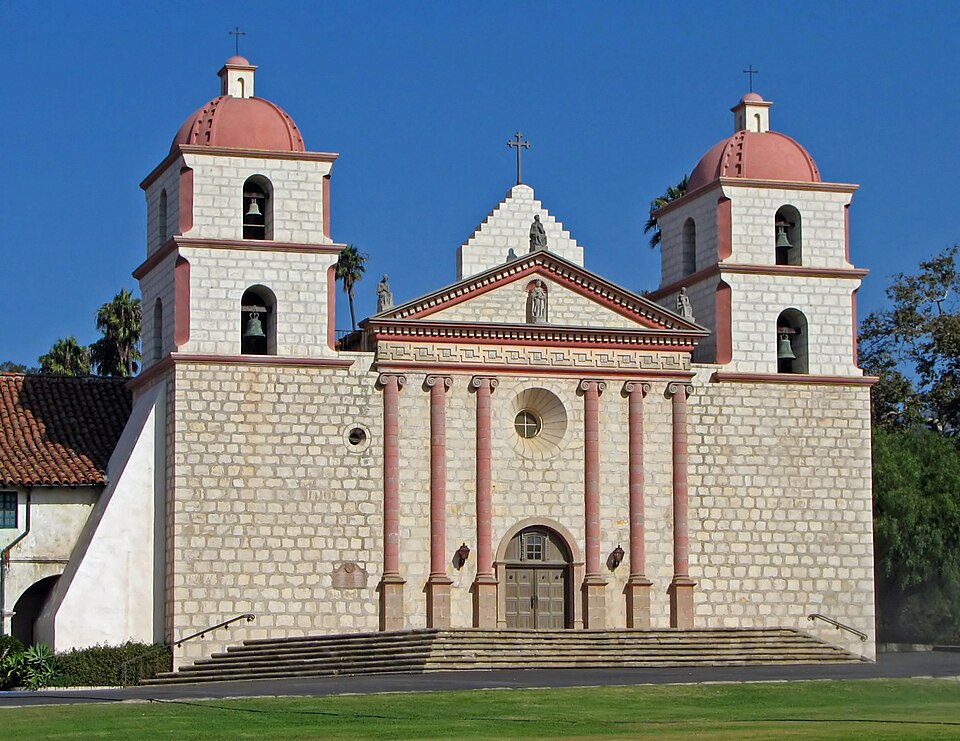
The missions were built with thick walls made from adobe bricks. Adobe is a kind of brick made from mud and straw that was dried in the sun. Most missions had a big church with a bell tower. Inside the walls, there were rooms where people slept, kitchens where food was cooked, and workshops where people made things like candles and cloth. Many missions had beautiful gardens with fruit trees and vegetable patches. There was usually a big open courtyard in the middle where people could gather.
Before the missions were built, Native American people like the Ohlone had been living in California for thousands of years. They had their own villages, traditions, and ways of life. When the Spanish missionaries arrived, they wanted Native Americans to come live at the missions and learn a new religion and a new way of life. Many Native Americans were forced to stay at the missions. They had to work very hard and could not practice their own traditions. Many became sick from new diseases. This was a very sad and unfair time for Native American families.
- There are 21 California missions, and they stretch about 600 miles from San Diego in the south to Sonoma in the north!
- The missions were built about one day’s walk apart from each other, along a road called El Camino Real, which means “The Royal Road” in Spanish.
- Many of the missions are still standing today. You can visit them and see what life was like long ago.
- The first mission, Mission San Diego, was built in 1769 by a priest named Father Junipero Serra.
OtterKnow Kids Encyclopedia