
What happens when the sun goes down? We turn on the lights! Before lightbulbs were invented, people used candles and oil lamps to see in the dark. Then inventors found a way to use electricity to make light. The lightbulb changed the world because it let people work, read, and play even after the sun went down.
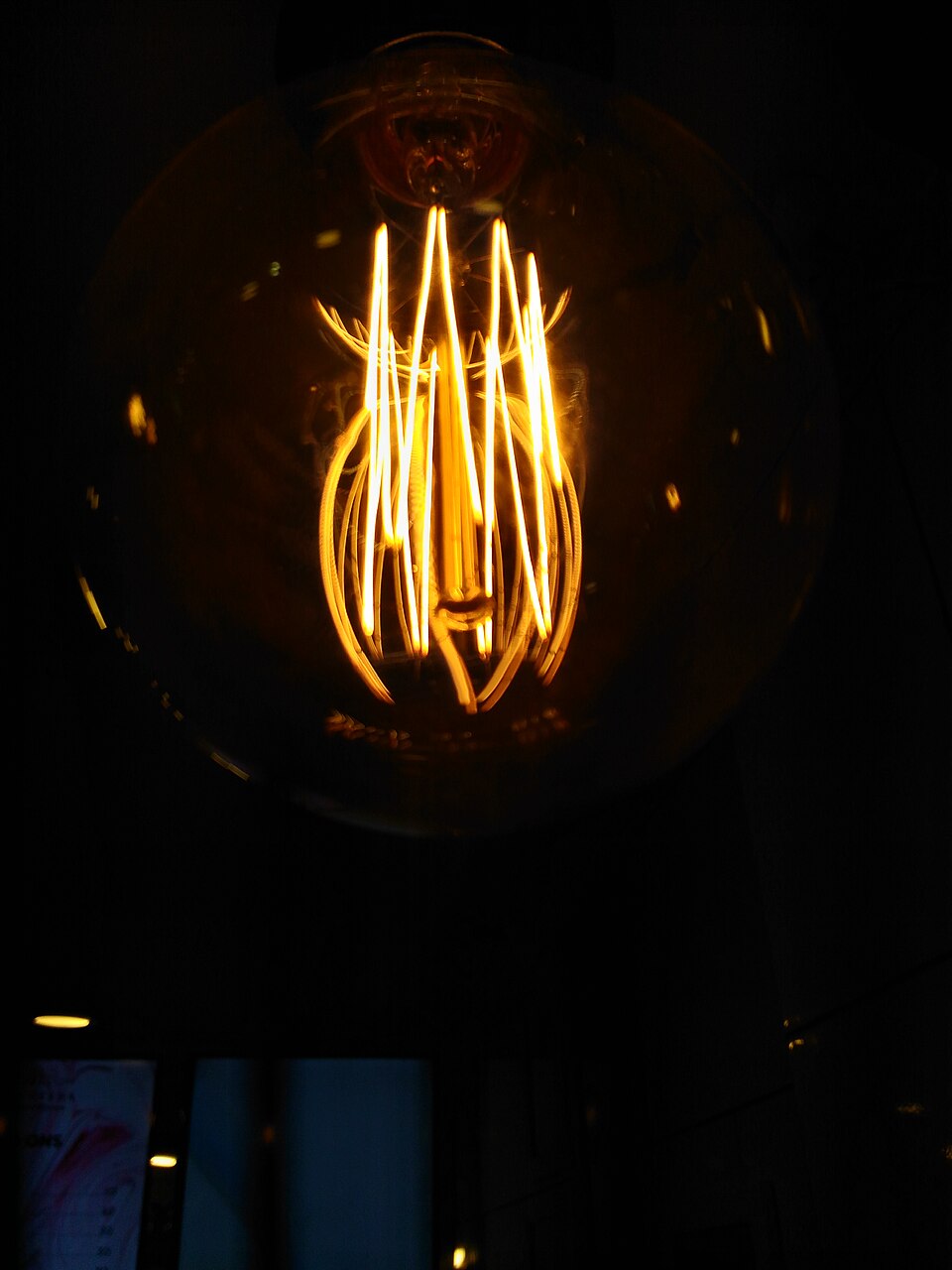
Many people worked on making electric light. In 1802, a scientist named Humphry Davy made the first electric light by running electricity through a thin piece of metal. It glowed, but it did not last very long. Other inventors kept trying new ideas. Then in 1879, Thomas Edison made a lightbulb that could glow for many hours. He used a thin thread called a filament inside a glass bulb. When electricity flowed through the filament, it got very hot and made bright light.
Lightbulbs are everywhere! They light up your home, your school, and the streets at night. They are inside refrigerators and car headlights. Today, most lightbulbs are called LEDs. LED bulbs use much less electricity than old bulbs and last a very long time. Some can even change colors!
- Thomas Edison tested over 3,000 ideas before he made a lightbulb that worked well.
- Edison’s first successful bulb glowed for about 13 and a half hours.
- LED lightbulbs can last for over 20 years!
- Before lightbulbs, people went to sleep much earlier because it was hard to see at night.
OtterKnow Kids Encyclopedia