Water Purification
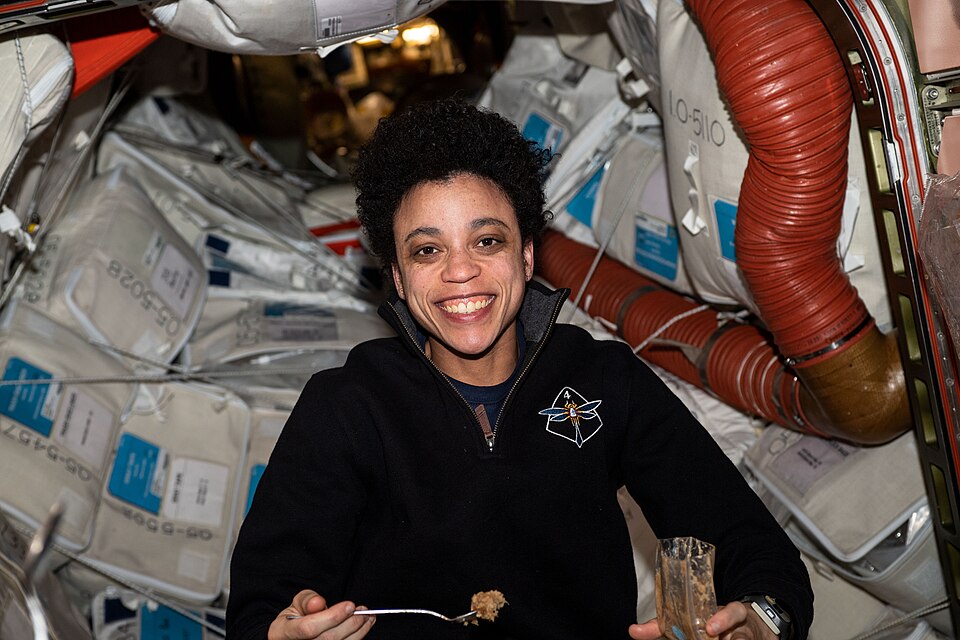
Keeping astronauts safe on the International Space Station means making sure they have clean water to drink, even though they cannot carry enough from Earth. NASA developed advanced water filtration systems that can turn wastewater back into clean drinking water. This same technology has been adapted to help communities on Earth that lack access to clean water. Small, portable water purifiers based on NASA designs are now used in developing countries and after natural disasters. These filters can remove harmful bacteria and chemicals, making unsafe water safe to drink.
Medical Technology
Space research has led to many breakthroughs in medicine and health care. Infrared ear thermometers, which doctors and parents use to quickly check for fevers, were developed from technology NASA created to measure the temperature of distant stars. Programmable heart pacemakers that keep people’s hearts beating steadily were improved using satellite communication technology. NASA also helped develop a special foam, originally designed to protect astronauts during launches, that is now used in hospital beds to prevent pressure sores. Even the tiny cameras doctors use during surgeries were made possible by image sensors first developed for space telescopes.
Memory Foam and Everyday Comfort
Memory foam is one of the most well-known spinoff technologies from NASA. In the 1960s, NASA engineers created a special type of foam called “temper foam” to cushion astronauts during the intense forces of liftoff and landing. This foam molds to the shape of whatever presses against it and then slowly returns to its original shape. Today, memory foam is used in mattresses, pillows, shoe insoles, and even football helmets. It is a billion-dollar industry, and it all started with NASA trying to make space travel more comfortable and safe for astronauts.
Scratch-Resistant Lenses
If you wear glasses or sunglasses, there is a good chance the lenses have a scratch-resistant coating that came from space research. NASA needed tough, durable visors for astronaut helmets that could survive the harsh conditions of space, including flying dust and debris. Scientists developed a special diamond-like coating that made the visors almost impossible to scratch. Eyeglass companies soon adopted this technology, and today most prescription glasses and sunglasses use coatings based on NASA’s original design. This space spinoff helps millions of people see clearly through their glasses for much longer.
Food Safety and Preservation
NASA worked with the Pillsbury Company in the 1960s to develop a food safety system called Hazard Analysis and Critical Control Points, or HACCP. This system was created to make absolutely sure that the food astronauts ate in space would be safe, since getting sick in space could be dangerous. HACCP identifies every step in food production where contamination could happen and puts safeguards in place. Today, HACCP is used by food companies, restaurants, and governments all over the world. It is now the international standard for food safety and has prevented countless cases of foodborne illness.
Technology in Your Home
Many common household items have connections to space technology. Cordless power tools were first developed for NASA’s Apollo missions so astronauts could drill into the Moon’s surface without being tethered to a power source. Smoke detectors in homes today use technology that NASA helped develop for the Skylab space station in the 1970s. Even the insulation in some homes and winter jackets uses reflective material originally designed to protect spacecraft from extreme temperatures. Satellite technology also makes GPS navigation possible, helping people find directions using their phones and car navigation systems.
Why Space Research Matters
Space exploration is not just about visiting other planets — it makes life better right here on Earth. Every dollar invested in space research creates new technologies, jobs, and scientific knowledge that benefit everyone. NASA estimates that every dollar spent on its programs returns several dollars in economic benefits through spinoff technologies and industries. Students who study science, technology, engineering, and math to work in space programs go on to solve problems in many other fields. Space research pushes the boundaries of what humans can do, and the inventions that come from it improve the lives of people all around the world.
 OtterKnow Kids Encyclopedia