How Satellites Get to Space
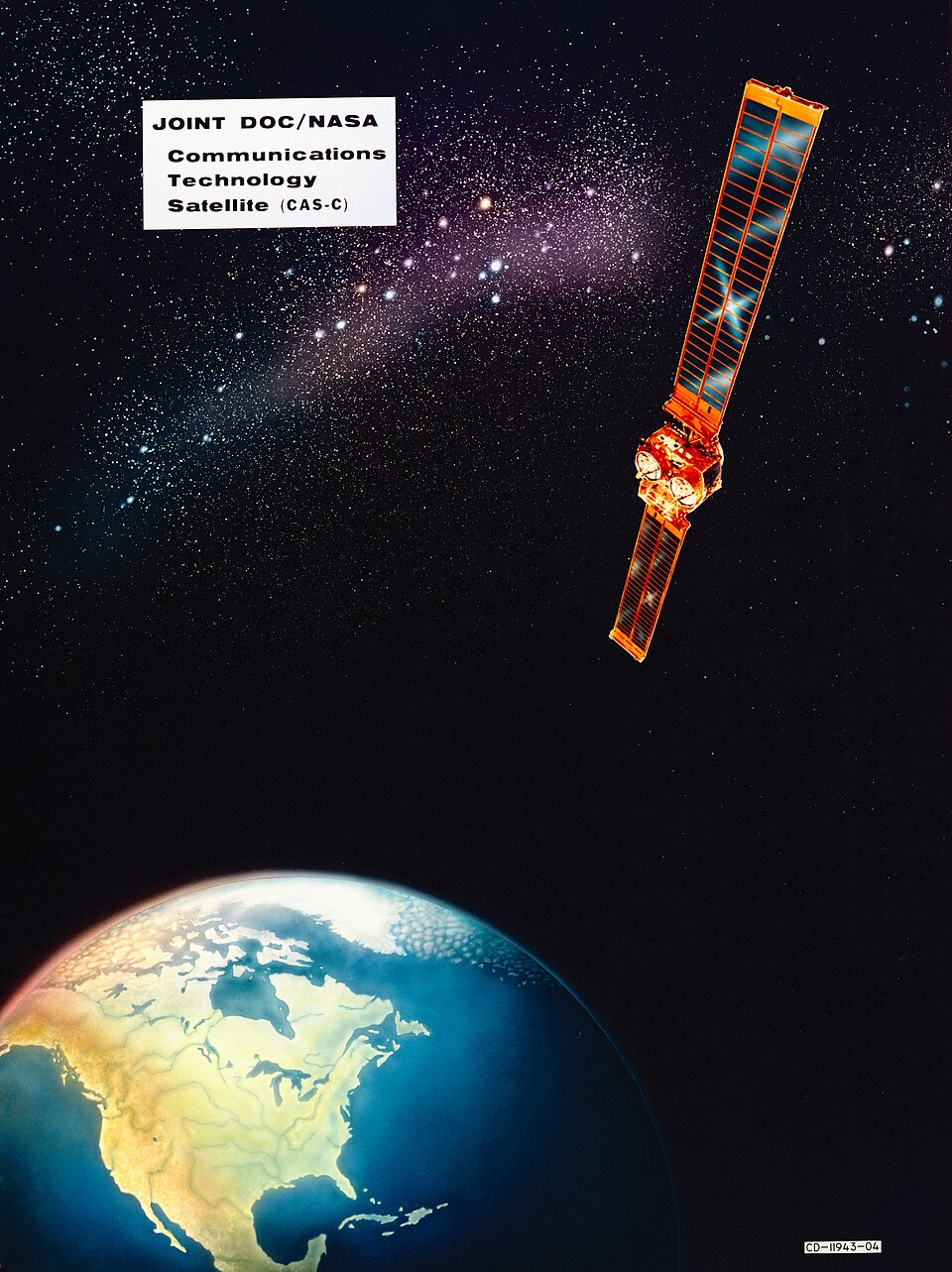
Satellites are carried into space aboard powerful rockets. Once a rocket reaches the right altitude, it releases the satellite into orbit. The satellite then uses the speed from the rocket and Earth’s gravity to keep circling the planet without falling back down. Some satellites orbit close to Earth at about 200 to 2,000 kilometers above the surface, while others are placed much farther away at about 36,000 kilometers. The altitude depends on what job the satellite needs to do.
Communication Satellites
Communication satellites help people talk to each other across long distances. When you make a phone call to someone in another country, the signal might travel up to a satellite and back down to the other person. These satellites also carry television signals, bringing hundreds of channels to homes with satellite dishes. Internet service in remote areas, like small villages or ships at sea, often depends on satellites too. Companies like SpaceX have launched large groups of satellites called constellations to provide internet coverage around the world.
Weather Satellites
Weather satellites take pictures of clouds, storms, and other weather patterns from high above Earth. Meteorologists, the scientists who study weather, use these images to predict rain, snow, and dangerous storms like hurricanes. Some weather satellites stay in one spot above the equator, giving a constant view of the same region. Others orbit from pole to pole, scanning the entire planet as Earth rotates beneath them. Without weather satellites, it would be much harder to warn people about severe storms heading their way.
Earth Observation Satellites
Earth observation satellites carry cameras and sensors that study our planet’s surface, oceans, and atmosphere. Scientists use them to track changes like melting ice caps, growing cities, and shrinking forests. Farmers use satellite images to check on their crops and figure out which fields need more water. These satellites can also help during natural disasters by showing rescuers exactly where floods, wildfires, or earthquakes have caused damage. NASA’s Landsat program has been taking pictures of Earth’s surface since 1972, creating one of the longest records of how our planet has changed.
Navigation Satellites
Navigation satellites help people figure out exactly where they are on Earth. The Global Positioning System, or GPS, is a network of about 31 satellites that sends signals to receivers on the ground. Your family’s car navigation system, smartphone maps, and even some watches use GPS signals to determine your location. GPS works by measuring the time it takes for signals from at least four satellites to reach your device. Other countries have their own navigation satellite systems, including Russia’s GLONASS and the European Union’s Galileo.
Scientific Research Satellites
Some satellites are designed to help scientists learn more about Earth, the solar system, and the universe. The Hubble Space Telescope, launched in 1990, has taken detailed pictures of distant galaxies and nebulae from its orbit above Earth’s atmosphere. Other research satellites study the Sun’s energy, measure changes in sea level, or track the ozone layer that protects us from harmful radiation. The International Space Station is actually the largest satellite ever built, and astronauts aboard it conduct experiments in the unique environment of microgravity. These scientific satellites have helped us understand our planet and the universe in ways that would be impossible from the ground alone.
Satellites and Your Everyday Life
You might not realize it, but satellites affect your life every single day. When your parents check the weather forecast, that information comes from satellites. When you use a map app on a phone, satellites help pinpoint your location. Even the timing signals that keep bank transactions and power grids running smoothly come from satellites. Credit card machines, ATMs, and stock markets all rely on the precise clocks aboard GPS satellites to keep their records accurate. Satellites have become so important that modern life would look very different without them.
 OtterKnow Kids Encyclopedia