Early Missions to Mars
The first spacecraft to successfully fly past Mars was NASA’s Mariner 4 in 1965, which sent back 22 close-up photos of the planet’s surface. These early images showed a dry, cratered world that looked very different from what some scientists had expected. The Soviet Union also tried many missions to Mars in the 1960s and 1970s, but most of them failed before reaching the planet. In 1971, Mariner 9 became the first spacecraft to orbit another planet, mapping about 85 percent of the Martian surface. These pioneering missions helped scientists plan the more advanced robots and landers that would come later.
Rovers on the Red Planet
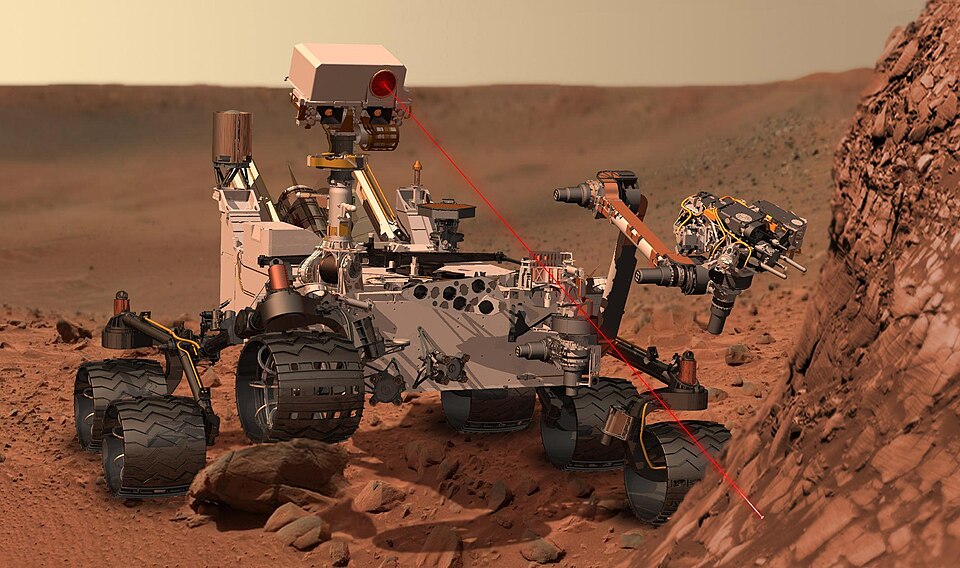
Rovers are robots with wheels that can drive around on the surface of Mars, collecting data and taking photographs. NASA’s first successful rover, Sojourner, landed on Mars in 1997 as part of the Mars Pathfinder mission and was about the size of a microwave oven. The twin rovers Spirit and Opportunity arrived in 2004, and Opportunity set a record by operating for nearly 15 years instead of its planned 90-day mission. Curiosity, which landed in 2012, is about the size of a small car and carries a laser that can vaporize rocks to study what they are made of. Each new rover has been larger and more capable than the last, allowing scientists to explore more of the Martian landscape.
Perseverance and Ingenuity
NASA’s Perseverance rover landed on Mars in February 2021 in a crater called Jezero, which scientists believe was once filled with water. Perseverance carries special instruments that can search for signs of ancient microscopic life in Martian rocks. It also brought along a small helicopter called Ingenuity, which became the first aircraft to achieve powered flight on another planet in April 2021. Ingenuity was originally designed for just five flights but ended up completing 72 flights before its mission ended in January 2024. Perseverance is also collecting rock samples and sealing them in tubes that a future mission will bring back to Earth.
What We Have Learned About Mars
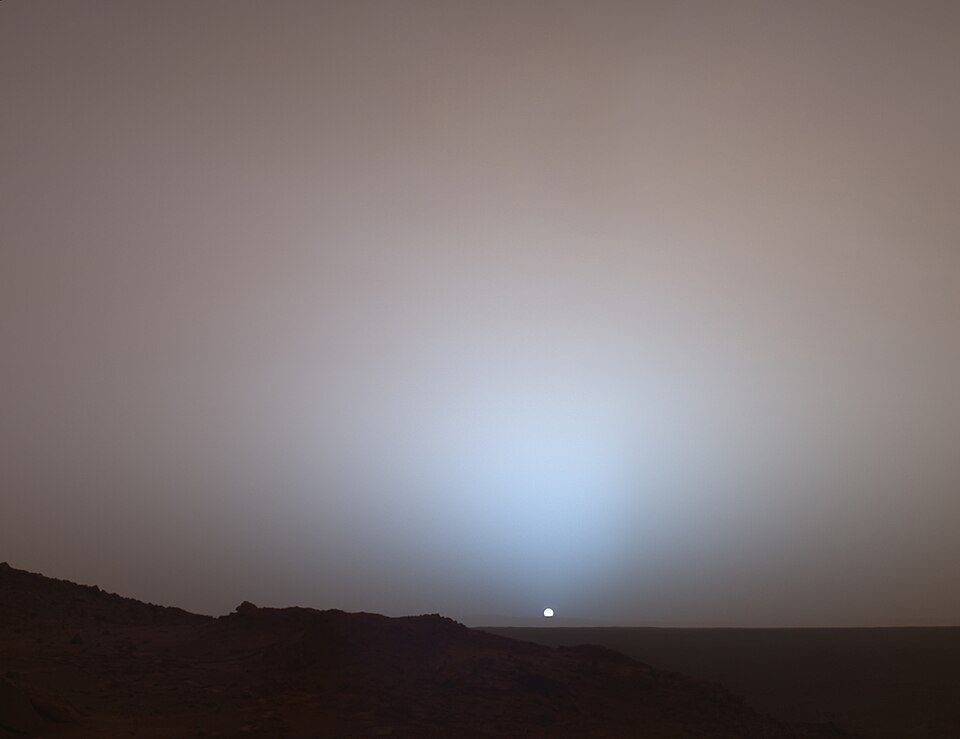
Thanks to decades of exploration, we now know that Mars once had rivers, lakes, and possibly even an ocean billions of years ago. The planet’s atmosphere is very thin, made up mostly of carbon dioxide, and the average temperature is about minus 80 degrees Fahrenheit. Mars has the largest volcano in the solar system, called Olympus Mons, which stands about 72,000 feet tall, nearly three times the height of Mount Everest. Scientists have also found ice beneath the Martian surface and at the poles. These discoveries suggest that water still exists on Mars, just not in liquid form on the surface today.
Challenges of Mars Exploration
Getting to Mars is incredibly difficult because the planet is so far away. Depending on where Earth and Mars are in their orbits, the journey can take six to nine months. Communication between Earth and Mars has a delay of 4 to 24 minutes, which means controllers cannot steer rovers in real time. The thin atmosphere makes landing tricky because parachutes alone cannot slow a heavy spacecraft enough, so engineers have invented creative solutions like sky cranes and airbags. Dust storms on Mars can last for months and cover the entire planet, blocking sunlight that solar-powered rovers need to operate.
Future Plans for Mars
Space agencies around the world are planning exciting new missions to Mars in the coming years. NASA and the European Space Agency are working together on a Mars Sample Return mission to bring Perseverance’s collected rock samples back to Earth for detailed study. China successfully landed its Zhurong rover on Mars in 2021 and plans to send more advanced missions in the future. Private companies like SpaceX are also developing rockets designed to carry humans to Mars, with the goal of establishing a permanent settlement someday. Scientists believe that sending humans to Mars could happen as early as the late 2030s or 2040s.
How You Can Follow Mars Exploration
You do not have to be a scientist to follow along with Mars exploration. NASA shares photos and updates from its Mars missions on its website and social media, so anyone can see what the rovers are discovering. Many museums and science centers have exhibits about Mars where you can see models of rovers and even touch real meteorites from the Red Planet. Students can participate in programs like NASA’s Mars Education Program, which offers activities and challenges related to space exploration. Following Mars missions is a great way to learn about science, engineering, and the big questions about life in the universe.
 OtterKnow Kids Encyclopedia