Early Spacecraft and Capsules
The Space Age began when the Soviet Union launched Sputnik, the first artificial satellite, on October 4, 1957. Soon after, both the Soviet Union and the United States began building capsules to carry humans into space. The Soviet Vostok capsule carried Yuri Gagarin on the first human spaceflight on April 12, 1961. America’s Mercury capsules were small, cone-shaped vehicles that could hold only one astronaut at a time. These early capsules were tiny — the Mercury capsule was so cramped that astronauts joked it was more like wearing the spacecraft than riding in it.
The Gemini and Apollo Programs
After Mercury, NASA built the larger Gemini capsules, which could carry two astronauts and stay in space for up to two weeks. Gemini missions practiced the skills needed for going to the Moon, including spacewalks and docking two spacecraft together in orbit. The Apollo spacecraft was even bigger, with room for three astronauts and a separate Lunar Module for landing on the Moon. On July 20, 1969, Apollo 11’s Lunar Module Eagle landed on the Moon, and Neil Armstrong became the first person to walk on another world. In total, six Apollo missions successfully landed twelve astronauts on the Moon between 1969 and 1972.
The Space Shuttle
NASA’s Space Shuttle was a revolutionary spacecraft that could be used again and again, unlike earlier capsules that could only fly once. The shuttle looked like a large airplane with two solid rocket boosters and a huge external fuel tank attached for launch. It could carry up to seven astronauts and a large cargo bay that was used to launch satellites, carry science experiments, and build the International Space Station. Five shuttles were built — Columbia, Challenger, Discovery, Atlantis, and Endeavour — and together they flew 135 missions between 1981 and 2011. The shuttle program helped scientists learn how to live and work in space for extended periods.
The International Space Station
The International Space Station, or ISS, is the largest spacecraft ever built. It orbits Earth about 250 miles above the surface and is as long as a football field. The ISS was assembled in space piece by piece starting in 1998, with parts launched by both American and Russian rockets. Astronauts from more than 19 countries have lived and worked aboard the station, conducting thousands of science experiments in the weightless environment. The ISS has been continuously occupied since November 2000, making it humanity’s longest-running home in space.
Modern Crew Capsules
Today, a new generation of crew capsules is carrying astronauts to space. SpaceX’s Crew Dragon capsule began flying astronauts to the ISS in 2020 and can carry up to four crew members. Boeing developed the Starliner capsule as another way to transport astronauts to the station. China has its own Shenzhou spacecraft, which has been carrying Chinese astronauts, called taikonauts, to their Tiangong space station. Unlike the old capsules that splashed down in the ocean, Crew Dragon uses parachutes for ocean landings while Shenzhou lands on solid ground in the grasslands of Mongolia.
Spacecraft for Deep Space
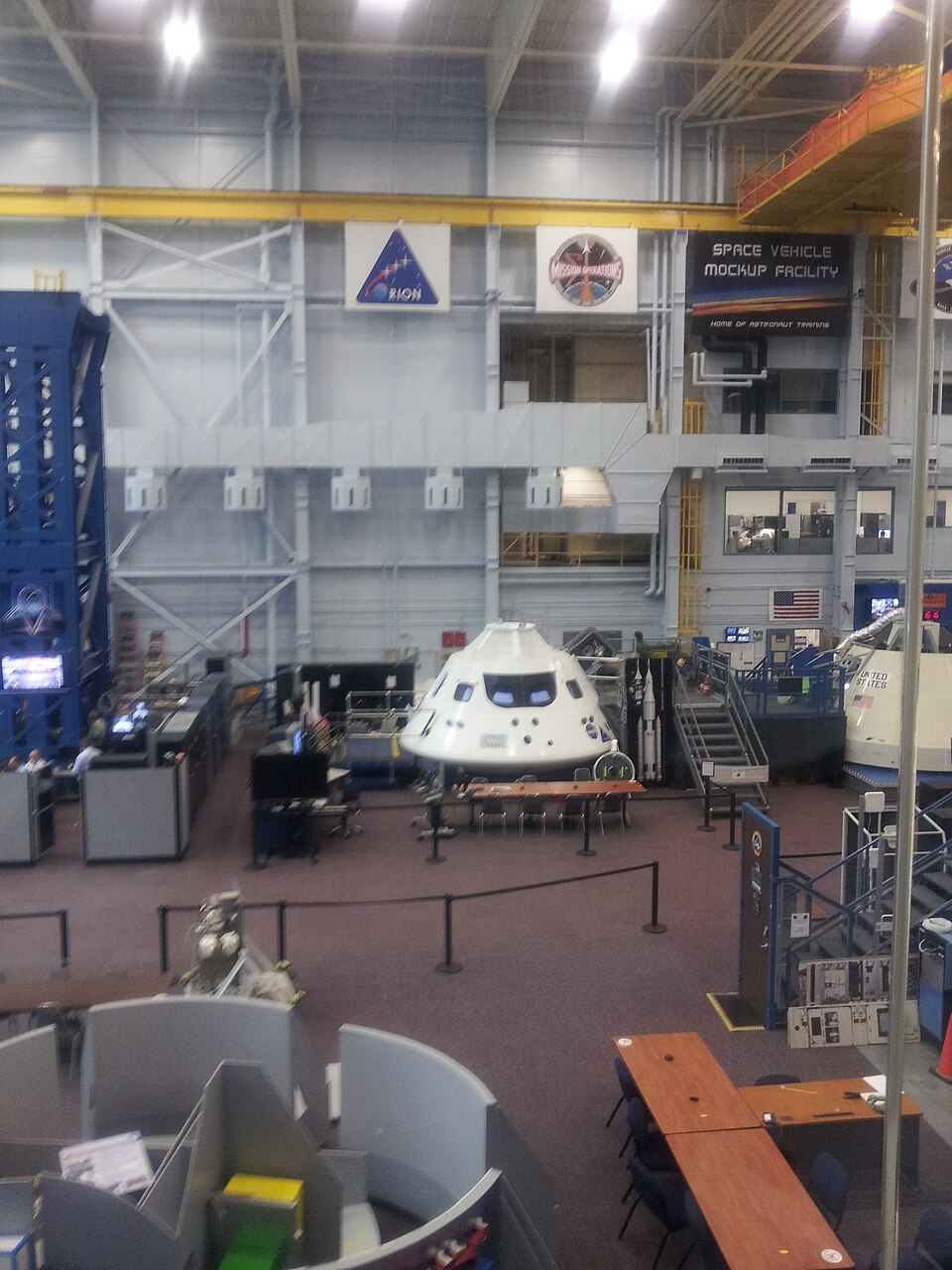
Scientists and engineers are now designing spacecraft that can carry astronauts far beyond Earth orbit. NASA’s Orion capsule is built to travel to the Moon and eventually to Mars, and it completed its first uncrewed test flight around the Moon in 2022 during the Artemis I mission. Orion has a heat shield that can withstand temperatures of nearly 5,000 degrees Fahrenheit when it returns to Earth at high speeds. SpaceX is also developing Starship, which is designed to be the largest and most powerful spacecraft ever built. These next-generation spacecraft may one day carry the first humans to set foot on Mars.
How Spacecraft Protect Astronauts
Space is a harsh environment, and spacecraft must protect their crews from many dangers. The walls of a spacecraft shield astronauts from harmful radiation that comes from the Sun and deep space. Heat shields on the outside of capsules protect astronauts during reentry, when friction with Earth’s atmosphere creates temperatures hot enough to melt metal. Life support systems recycle air and water so astronauts can breathe and stay hydrated for months at a time. Spacecraft also have emergency escape systems that can pull the crew capsule away from the rocket if something goes wrong during launch.
 OtterKnow Kids Encyclopedia