What the Atmosphere Is Made Of
The air we breathe is a mixture of several different gases. Nitrogen makes up about 78 percent of the atmosphere, and oxygen makes up about 21 percent. The remaining one percent includes small amounts of argon, carbon dioxide, water vapor, and other trace gases. Even though carbon dioxide makes up less than one percent of the atmosphere, it plays a huge role in keeping Earth warm enough to support life. Water vapor is another important gas because it forms clouds and is a key part of the water cycle that brings rain and snow.
Layers of the Atmosphere
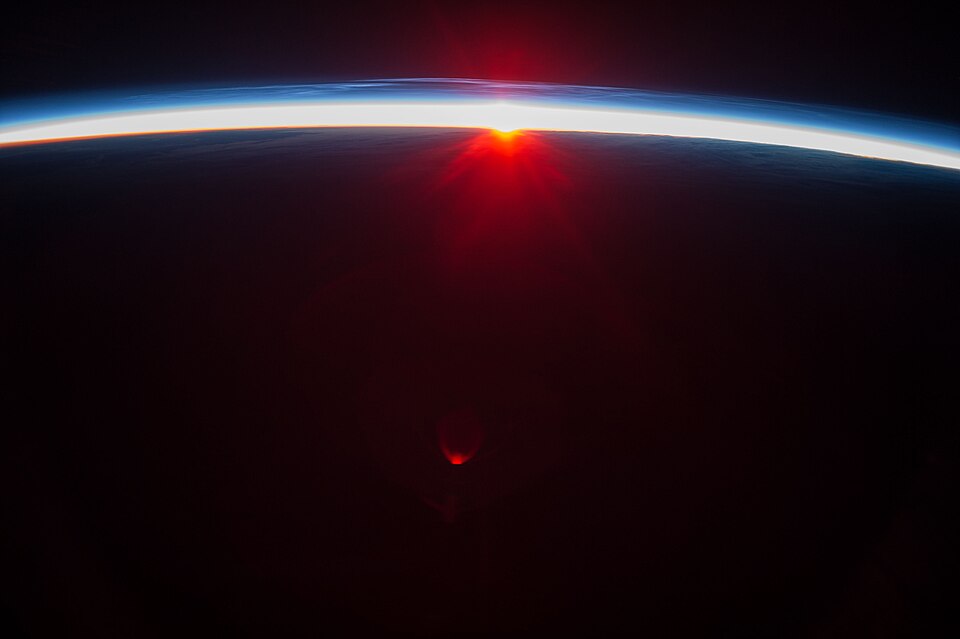
The atmosphere is divided into five main layers, each with different characteristics. The troposphere is the lowest layer, reaching up to about 7 miles high, and it is where all of our weather happens. Above that is the stratosphere, which extends to about 31 miles and contains the ozone layer that protects us from the Sun’s ultraviolet radiation. The mesosphere, from 31 to 53 miles up, is where most meteors burn up when they enter Earth’s atmosphere. The thermosphere stretches from 53 to about 375 miles and is where the International Space Station orbits. The exosphere is the outermost layer, where the atmosphere gradually blends into the emptiness of space.
The Ozone Layer
The ozone layer is a special part of the stratosphere that contains a higher concentration of ozone gas. Ozone is a molecule made of three oxygen atoms, and it acts like a shield that absorbs most of the Sun’s harmful ultraviolet radiation. Without the ozone layer, too much ultraviolet light would reach Earth’s surface, causing sunburns, skin cancer, and damage to plants and animals. In the 1980s, scientists discovered that chemicals called chlorofluorocarbons, or CFCs, were destroying the ozone layer and creating a hole over Antarctica. Countries around the world signed the Montreal Protocol in 1987 to ban these harmful chemicals, and the ozone layer has been slowly recovering ever since.
How the Atmosphere Protects Us
The atmosphere acts as a shield that protects life on Earth in several important ways. It blocks most of the Sun’s dangerous ultraviolet radiation, which can harm living things. The atmosphere also burns up millions of small space rocks called meteoroids before they can reach the ground, which is why we see shooting stars at night. Air pressure from the atmosphere pushes on us from all directions, keeping the liquids in our bodies from boiling away in the vacuum of space. The atmosphere even spreads out the Sun’s energy, preventing the side of Earth facing the Sun from getting too hot while keeping the dark side from getting too cold.
Weather and the Atmosphere
Almost all weather on Earth happens in the troposphere, the layer closest to the ground. The Sun heats Earth’s surface unevenly, which causes air to move and creates wind. When warm, moist air rises, it cools down and the water vapor condenses into tiny droplets that form clouds. These droplets can combine and grow heavy enough to fall as rain, snow, sleet, or hail. Severe weather events like thunderstorms, hurricanes, and tornadoes are all powered by energy in the troposphere, driven by differences in temperature and moisture.
The Atmosphere and Climate Change
Human activities are changing the makeup of Earth’s atmosphere in ways that affect our climate. Burning fossil fuels like coal, oil, and natural gas releases extra carbon dioxide and other greenhouse gases into the air. These additional gases trap more heat from the Sun, causing Earth’s average temperature to rise — a process called global warming. Since the Industrial Revolution began in the 1800s, the amount of carbon dioxide in the atmosphere has increased by about 50 percent. Scientists around the world are working on solutions like renewable energy, planting trees, and developing new technologies to reduce the amount of greenhouse gases we release.
Why the Atmosphere Matters
Earth is the only planet in our solar system with an atmosphere that supports life as we know it. Mars has a very thin atmosphere made mostly of carbon dioxide, and Venus has an incredibly thick atmosphere that traps so much heat the surface temperature reaches about 900 degrees Fahrenheit. Our atmosphere gives us the air we breathe, the water cycle that provides fresh water, and the protection we need from space. Understanding and taking care of our atmosphere is one of the most important things humans can do to keep Earth healthy and livable.
 OtterKnow Kids Encyclopedia