The Ecliptic Path
The Sun does not actually move around Earth, but from our point of view it looks like it travels across the sky along a path called the ecliptic. This path passes through each of the 12 zodiac constellations over the course of a year. The planets in our solar system also appear to move along this same path because the planets all orbit the Sun in roughly the same flat plane. Ancient astronomers in Babylon were some of the first to carefully track the ecliptic and divide it into 12 equal sections. Understanding the ecliptic helped early civilizations create calendars and predict the changing seasons.
The 12 Zodiac Constellations
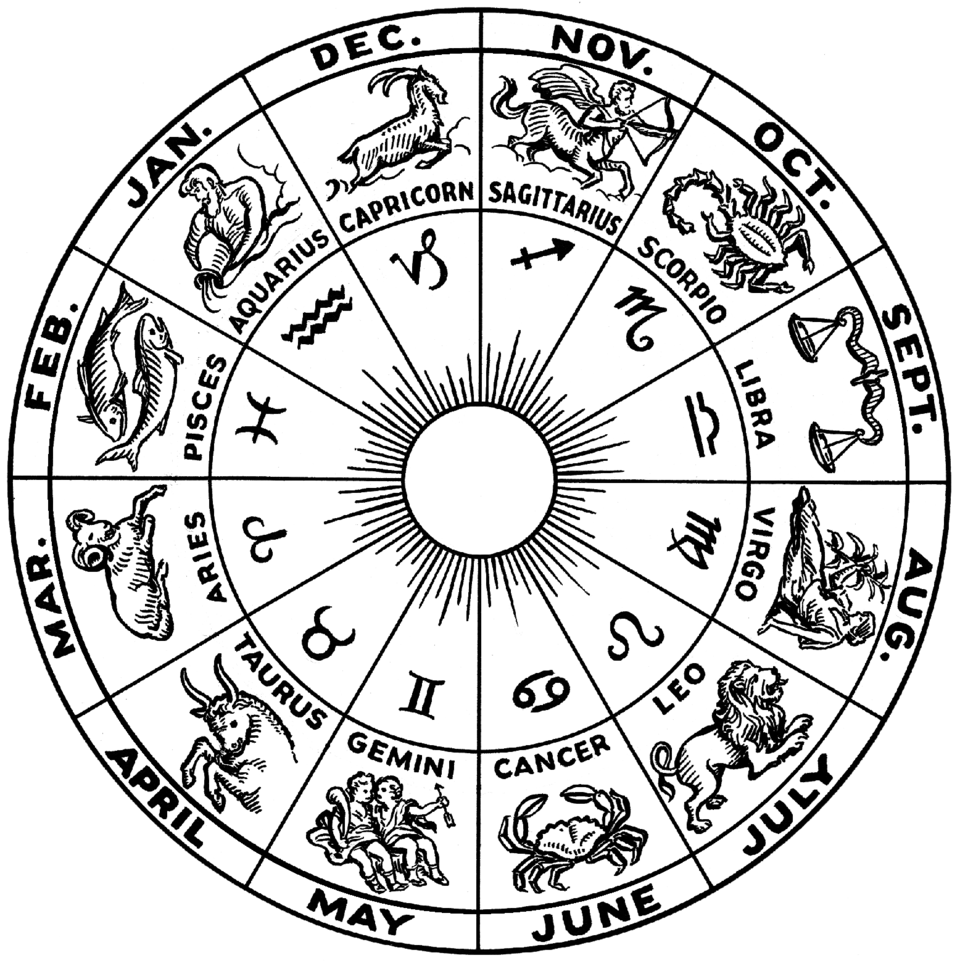
The 12 zodiac constellations are Aries, Taurus, Gemini, Cancer, Leo, Virgo, Libra, Scorpius, Sagittarius, Capricornus, Aquarius, and Pisces. Each constellation is made up of a pattern of stars that people imagined looked like an animal, person, or object. For example, Leo is supposed to look like a lion, and Scorpius resembles a scorpion with a curving tail. Some constellations like Orion are easy to spot, but many zodiac constellations are made of faint stars that can be hard to see in bright city skies. The Sun spends roughly one month in front of each zodiac constellation as Earth orbits around it.
Ancient History of the Zodiac
The Babylonians, who lived in what is now Iraq, created one of the earliest zodiac systems around 500 BCE. They divided the ecliptic into 12 equal parts of 30 degrees each. The ancient Greeks later adopted and modified this system, giving many of the constellations the names we still use today. The Egyptians and Romans also used the zodiac to help track time and seasons. Many ancient temples and monuments were built to line up with zodiac constellations at certain times of year.
Zodiac Constellations and the Seasons
Different zodiac constellations are visible in the night sky during different seasons because Earth is always moving around the Sun. In winter in the Northern Hemisphere, you can see constellations like Gemini and Taurus high in the sky at night. During summer, Scorpius and Sagittarius are easier to spot. The constellation that the Sun appears to be “in” during a given month is actually the one you cannot see at night because it is behind the Sun in the daytime sky. This is why the zodiac constellations shift through the year like a giant celestial calendar.
The 13th Constellation
Although the traditional zodiac has 12 constellations, the Sun actually passes through a 13th constellation called Ophiuchus, the Serpent Bearer. Ophiuchus sits between Scorpius and Sagittarius, and the Sun spends about 18 days moving through it each December. The Babylonians knew about Ophiuchus but left it out to keep their system at a neat 12 sections matching the 12 months. Modern astronomers recognize Ophiuchus as one of the 88 official constellations in the sky. The International Astronomical Union, which is the group that officially names objects in space, includes Ophiuchus in its maps of the ecliptic.
Zodiac in Science vs. Astrology
It is important to know the difference between astronomy and astrology. Astronomy is the science of studying stars, planets, and space using telescopes, math, and careful observation. Astrology is an ancient belief system that claims the positions of stars and planets affect people’s personalities and futures, but there is no scientific evidence that this is true. Scientists use the zodiac constellations as a way to map and organize the sky, not to predict the future. Learning about the zodiac helps astronomers describe where planets and other objects are located in the night sky.
Observing the Zodiac
You can start learning the zodiac constellations by going outside on a clear night and looking along the path where the Moon travels across the sky. The Moon always stays near the ecliptic, so any bright constellation near the Moon is likely a zodiac constellation. A star chart or a free stargazing app on a phone or tablet can help you identify which constellations are visible each month. Light pollution from cities makes faint stars hard to see, so the best views are from darker locations away from streetlights. With a little practice, you can learn to recognize zodiac constellations and track how they shift through the seasons.
 OtterKnow Kids Encyclopedia