A History Thousands of Years Old
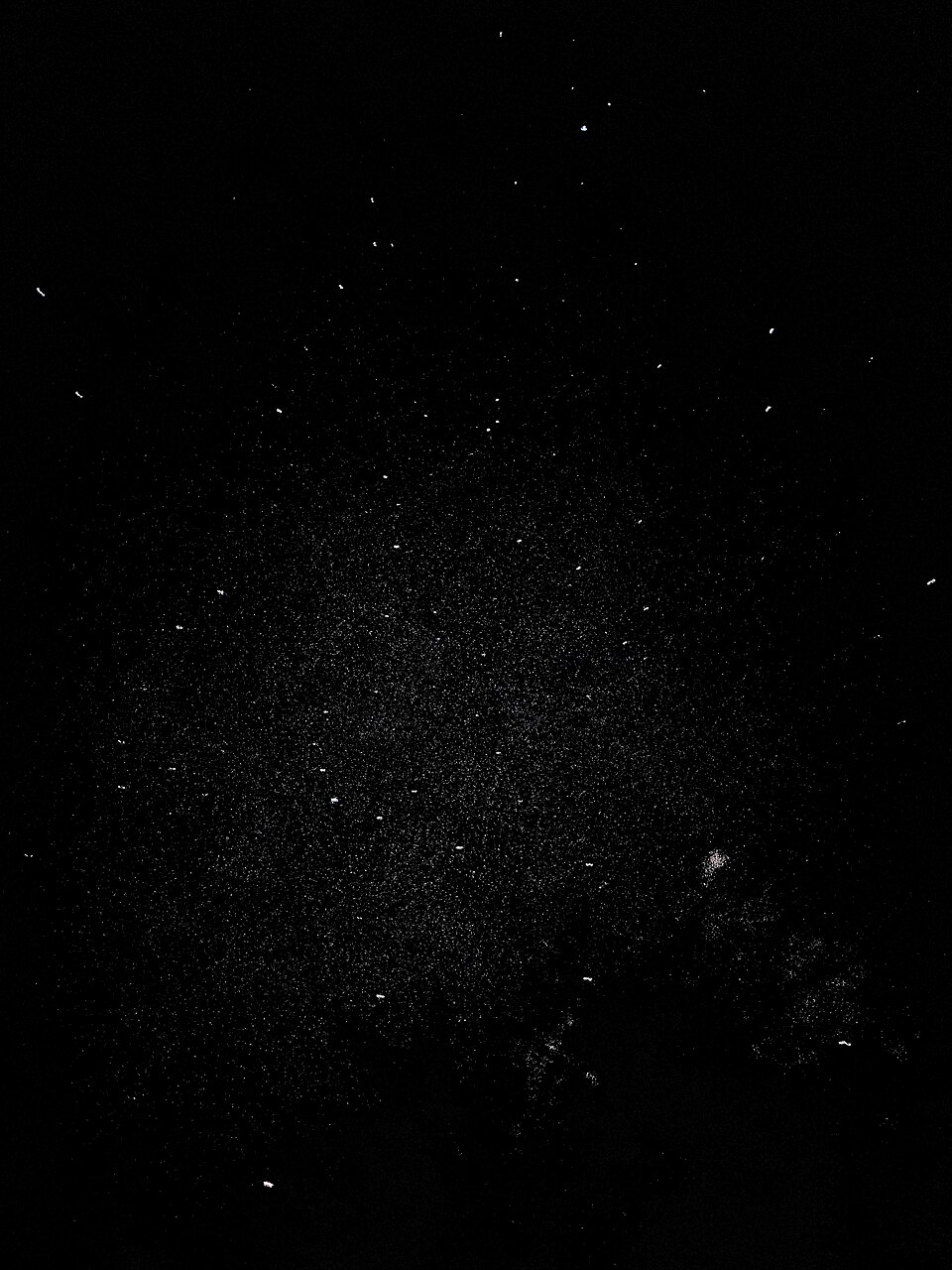
People have been naming constellations for thousands of years. The ancient Babylonians, who lived in what is now Iraq, created some of the earliest known star maps around 3,000 years ago. The ancient Greeks gave many constellations the names we still use today, often based on characters from their myths and legends. Other cultures, including the Chinese, Aboriginal Australians, and Indigenous peoples of the Americas, created their own constellation patterns and stories. In 1922, the International Astronomical Union officially divided the sky into 88 constellations so that astronomers everywhere would use the same system.
Famous Constellations You Can Spot
Some constellations are easier to find than others because they contain bright stars or have distinctive shapes. Orion the Hunter is one of the most recognizable constellations, with three bright stars in a row forming his belt. Ursa Major, which means “Great Bear,” contains the Big Dipper, a group of seven stars shaped like a ladle or cup with a handle. The constellation Leo looks like a crouching lion, and Scorpius has a curving line of stars that resembles a scorpion’s tail. Cassiopeia is easy to spot because its five brightest stars form a clear W or M shape in the sky.
Stars at Different Distances
Even though stars in a constellation appear close together in the sky, they are usually very far apart from each other in space. For example, the stars in Orion’s belt look like neighbors, but they are actually hundreds of light-years away from one another. A light-year is the distance light travels in one year, which is about 5.88 trillion miles. Stars in constellations only appear to form patterns because of how we see them from Earth. If you could travel to a distant star and look back, the constellations would look completely different.
Constellations and the Zodiac
Twelve constellations form a special group called the zodiac. These are the constellations that the Sun appears to pass through during the year as Earth orbits around it. The zodiac constellations include familiar names like Aries, Taurus, Gemini, Cancer, Leo, Virgo, Libra, Scorpius, Sagittarius, Capricornus, Aquarius, and Pisces. Ancient people used the zodiac to track the seasons and know when to plant or harvest crops. The Sun spends roughly one month in each zodiac constellation, though the actual time varies because the constellations are different sizes.
Constellations in Myths and Stories
Nearly every culture on Earth has created stories about the star patterns they saw. In Greek mythology, the constellation Orion represents a mighty hunter who was placed in the sky by the gods. The Aboriginal Australians saw an emu in a dark patch of the Milky Way rather than connecting bright stars. The Lakota people of North America saw a hand in the stars that Europeans called Orion. Norse, Egyptian, Hindu, and many other cultures each had their own constellation stories that reflected their values and beliefs. These stories were passed down through generations and helped people remember which stars belonged together.
How Scientists Use Constellations
Astronomers use constellations as a way to divide the sky into sections, much like a map divides land into countries. When scientists discover a new star or galaxy, they describe its location by naming the constellation it appears in. For example, the Andromeda Galaxy is found in the constellation Andromeda. Navigators have also used constellations for centuries to find their way across oceans and deserts. Polaris, the North Star, sits near the north celestial pole and has guided travelers in the Northern Hemisphere for thousands of years.
Constellations Change Over Time
The star patterns we see today will not last forever. Stars are constantly moving through space, but they are so far away that the changes are too slow for us to notice in a single lifetime. Over tens of thousands of years, the shapes of constellations gradually shift and change. About 100,000 years from now, the Big Dipper will look noticeably different from the shape we see today. New stars are also being born and old stars are dying, which means the night sky is always slowly transforming.
 OtterKnow Kids Encyclopedia