Parts of a Spacesuit
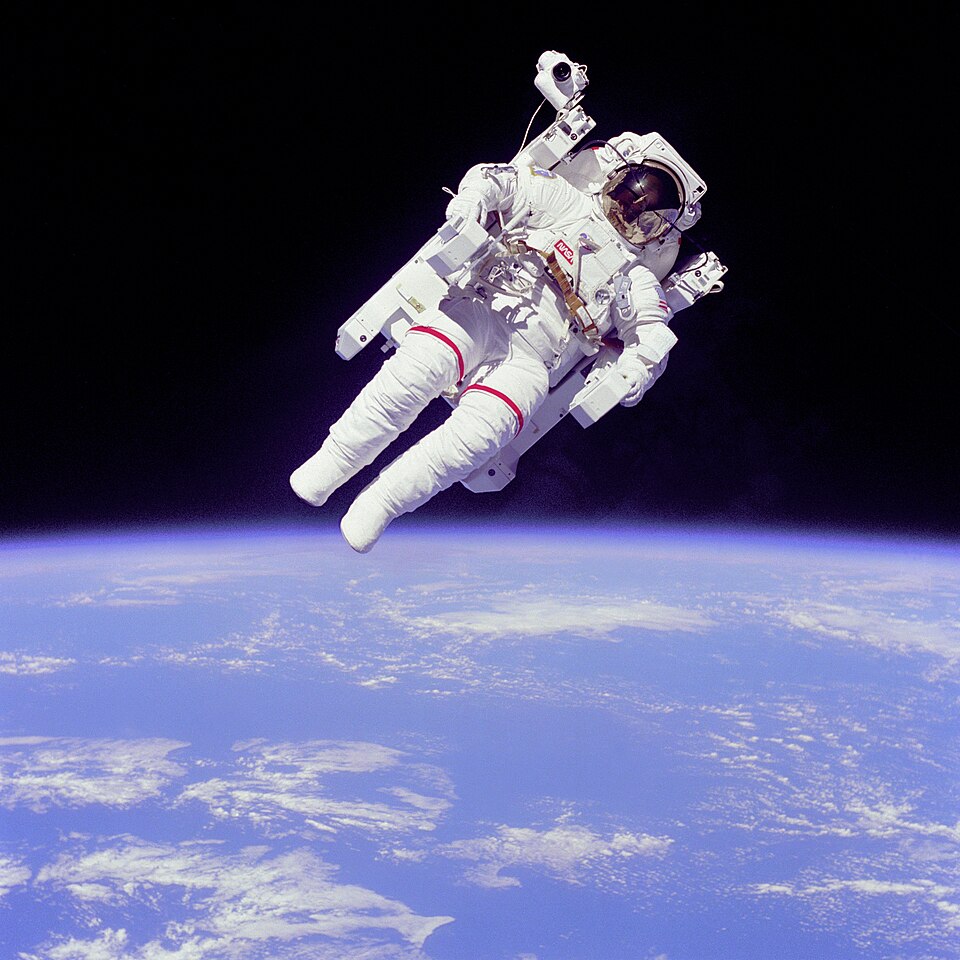
A modern NASA spacesuit, called the Extravehicular Mobility Unit (EMU), has more than 18,000 individual parts. The hard upper torso is a fiberglass shell that covers the chest and back, and it connects to the arms, legs, helmet, and life support system. Layers of special fabric protect the astronaut from tiny space rocks called micrometeoroids that travel faster than bullets. The suit also has a drink bag inside the helmet so astronauts can sip water during long spacewalks. Each suit is carefully assembled and tested before it ever leaves Earth.
The Helmet and Visor
The helmet is one of the most recognizable parts of a spacesuit. It is made from a strong, clear material called polycarbonate that lets astronauts see in all directions. A gold-coated visor can be pulled down to shield an astronaut’s eyes from the blinding light of the Sun, which is much brighter in space than on Earth. Lights and a camera are mounted on the helmet so astronauts can see in the dark parts of their orbit and so mission control can watch what they are doing. A microphone and speakers inside the helmet let astronauts talk to each other and to the team on the ground.
Life Support and Temperature Control
The Primary Life Support System (PLSS) is the large backpack attached to the spacesuit. It pumps oxygen for the astronaut to breathe and removes the carbon dioxide they exhale. The backpack also controls temperature by circulating cool water through thin tubes sewn into a special undergarment the astronaut wears. In direct sunlight, temperatures in space can reach about 250 degrees Fahrenheit, while in shadow they can drop to minus 250 degrees Fahrenheit. The life support system keeps the astronaut comfortable despite these extreme swings.
Gloves and Mobility
Spacesuit gloves are some of the hardest pieces of equipment to design because astronauts need to grip tools and handle small objects while wearing them. Each pair of gloves is custom-made to fit an individual astronaut’s hands. Silicone rubber fingertips help astronauts feel what they are touching through the thick glove material. The gloves also have heaters built into the fingertips because hands get very cold in the shadow of the space station. Despite all this technology, astronauts often say that working in spacesuit gloves is like trying to do tasks while wearing thick oven mitts.
The Spacesuit Undergarment
Before putting on the outer spacesuit, astronauts wear a special cooling garment called the Liquid Cooling and Ventilation Garment (LCVG). This stretchy bodysuit has about 300 feet of narrow plastic tubing woven throughout it. Cool water flows through these tubes to carry heat away from the astronaut’s body, much like a car radiator keeps an engine cool. Without this cooling system, the heat from the astronaut’s own body would quickly make the inside of the suit dangerously hot. Astronauts also wear a diaper-like garment called a Maximum Absorbency Garment because spacewalks can last six to eight hours with no bathroom breaks.
Astronauts use many specialized tools when working outside the space station. A pistol-grip tool works like a cordless drill and is the most commonly used tool during spacewalks. Tethers and safety cables keep tools attached to the astronaut so nothing floats away into space. The Simplified Aid for EVA Rescue (SAFER) is a small jet pack that an astronaut can use to fly back to the station if they accidentally become untethered. Every tool must be designed to work in the vacuum of space, in extreme temperatures, and while being operated by hands wearing bulky gloves.
The Future of Spacesuits
NASA is developing a new generation of spacesuits called the Exploration Extravehicular Mobility Unit (xEMU) for future missions to the Moon and Mars. These new suits will be lighter, more flexible, and easier to move in than current designs. They will allow astronauts to walk, bend, and kneel on the lunar surface, which was difficult in the suits used during the Apollo missions of the 1960s and 1970s. Private companies like SpaceX and Axiom Space are also designing their own spacesuits for commercial space travel. As humans plan to explore deeper into space, spacesuit technology will continue to improve to keep astronauts safe on longer and more challenging missions.
 OtterKnow Kids Encyclopedia