Examples of Goods
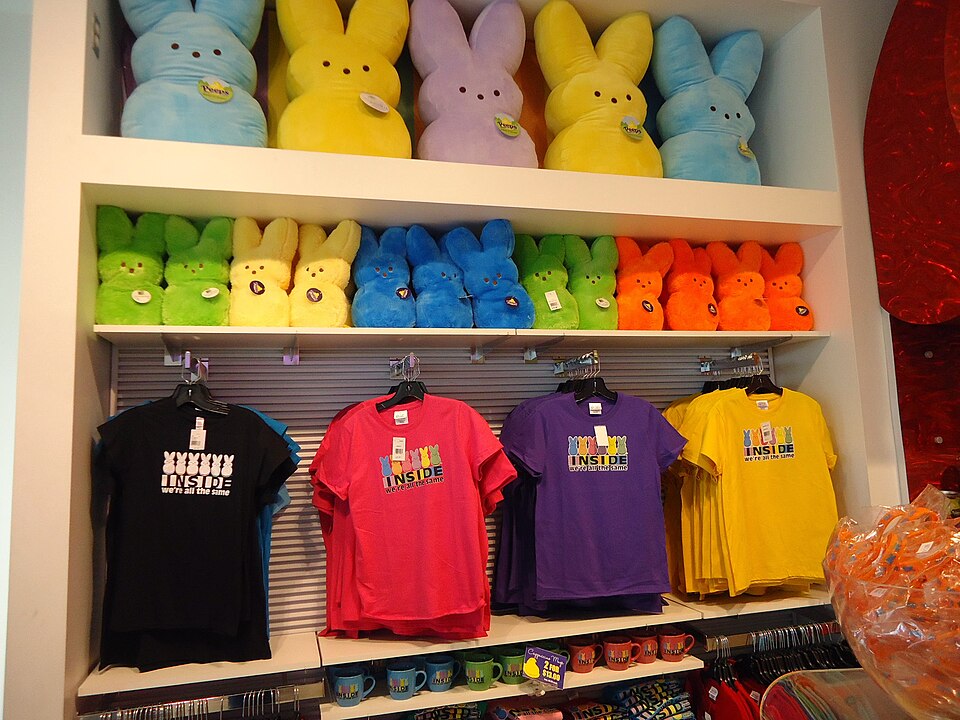
Goods are all around us, from the clothes we wear to the food we eat. Some goods are things we need to survive, like water, medicine, and shelter. Other goods are things we want but do not absolutely need, like video games, toys, and candy. Goods can be made in factories, grown on farms, or created by hand. When you buy a pair of shoes at a store or order a book online, you are purchasing a good.
Examples of Services
Services happen when a person uses their skills or time to help someone else. A teacher provides the service of education, and a mechanic provides the service of fixing cars. Doctors, dentists, firefighters, and mail carriers all provide important services in our communities. Unlike goods, you cannot hold a service in your hands or put it on a shelf. When your family pays for internet access or takes the car through a car wash, they are paying for services.
Producers and Consumers
In economics, people who make goods or provide services are called producers. People who buy or use those goods and services are called consumers. Most people are both producers and consumers at different times. A baker is a producer when she makes bread, but she becomes a consumer when she buys flour from a store. This constant exchange between producers and consumers keeps the economy moving.
Needs Versus Wants
Some goods and services are needs, meaning we must have them to stay alive and healthy. Food, clean water, clothing, and shelter are basic needs that every person requires. Other goods and services are wants, meaning they make life more fun or comfortable but are not essential. A movie ticket, a new toy, or a trip to an amusement park are all wants. Learning to tell the difference between needs and wants is an important money skill.
Supply and Demand
Supply is the amount of a good or service that is available for people to buy. Demand is how much people want that good or service. When many people want something but there is not much of it available, the price usually goes up. When there is plenty of something but not many people want it, the price usually goes down. This push and pull between supply and demand helps determine the prices we see in stores every day.
How Goods and Services Reach Us
Getting goods from where they are made to where people can buy them involves many steps. Raw materials are gathered, products are manufactured in factories, and then they are shipped by trucks, trains, ships, or airplanes. Stores, websites, and markets are the final stop where consumers can purchase goods. Services also require planning and resources, like a hospital needing trained doctors and medical equipment. This whole process of moving goods from producers to consumers is called the supply chain.
Why Goods and Services Matter
Goods and services are the foundation of every economy in the world. They create jobs for millions of people who grow food, build products, and help others. When people buy goods and services, the money they spend helps businesses grow and hire more workers. Taxes collected from these sales help pay for public services like schools, roads, and parks. By understanding goods and services, you can become a smarter consumer and make better decisions about how to spend and save your money.
 OtterKnow Kids Encyclopedia