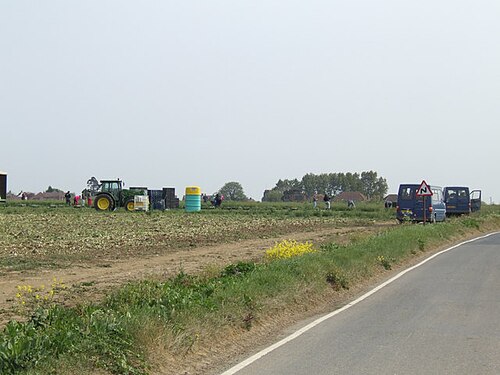
Growing and Harvesting
Farmers plant seeds in the spring and care for their crops throughout the growing season. They need to make sure plants get enough water, sunlight, and nutrients from the soil to grow strong and healthy. Modern farmers use tractors, combines, and other machines to plant and harvest large fields more quickly. Some farmers use greenhouses to grow fruits and vegetables year-round, even in cold weather. When crops are ripe, farmers harvest them and prepare them for the next step in the journey.
Processing and Packaging
After food is harvested, it usually goes to a processing facility where it is cleaned, sorted, and prepared. For example, wheat is ground into flour at a mill, and milk is pasteurized at a dairy plant to make it safe to drink. Fruits and vegetables are washed, inspected, and sometimes cut or frozen. Food is then packaged in boxes, bags, cans, or bottles to keep it fresh and protect it during shipping. Labels on packages tell you important information like ingredients, nutrition facts, and expiration dates.
Transportation and Distribution
Once food is packaged, it needs to travel from the processing facility to stores near you. Refrigerated trucks keep fruits, vegetables, dairy, and meat cold during long drives. Trains and cargo ships carry large amounts of food across the country and around the world. Distribution centers are big warehouses where food is organized and sent out to different grocery stores. Some food travels just a few miles from a local farm, while other food may travel thousands of miles before reaching your town.
At the Grocery Store
Grocery stores receive shipments of food every day to keep their shelves full. Workers unload delivery trucks, check the quality of the food, and arrange products on the shelves. Fresh produce like apples and lettuce is kept in refrigerated sections to stay crisp. Store employees also make sure food that is close to its expiration date is sold first so nothing goes to waste. When your family shops at the grocery store, you are one of the last stops in the food’s long journey.
Farmers Markets and Local Food
Not all food goes through big processing plants and grocery stores. Farmers markets let farmers sell their fruits, vegetables, eggs, and other products directly to people in the community. Buying local food means the food travels a shorter distance, which can be better for the environment. Local food is often fresher because it was picked just a day or two before you buy it. Community-supported agriculture, or CSA, programs let families pay a farmer at the beginning of the season and receive a box of fresh produce each week.
Food Safety Along the Way
Keeping food safe to eat is an important job at every step of the supply chain. The U.S. Food and Drug Administration (FDA) and the U.S. Department of Agriculture (USDA) set rules that farmers, processors, and stores must follow. Food inspectors check that facilities are clean and that food is stored at the right temperature. Pasteurization, refrigeration, and proper packaging all help prevent harmful bacteria from growing. When you wash fruits and vegetables at home before eating them, you are doing your part to keep food safe too.
Why It All Matters
The farm-to-table journey shows how connected we all are to the people who grow, process, and deliver our food. Millions of workers, including farmers, truck drivers, factory workers, and grocery store employees, help feed families every day. When food has to travel long distances, it uses fuel and energy, which affects the environment. Learning where your food comes from can help you make choices that support farmers and reduce waste. Every time you sit down for a meal, you are part of a chain that stretches all the way back to a farm.
 OtterKnow Kids Encyclopedia