The History of the Bell
The Liberty Bell was originally ordered in 1751 by the Pennsylvania Provincial Assembly to hang in the State House. It was made by the Whitechapel Bell Foundry in London, England, and shipped across the Atlantic Ocean. When it arrived and was first tested, the bell cracked right away. Two local metalworkers named John Pass and John Stow melted the bell down and recast it in 1753. Their names and the year are still visible on the bell today.
What Is Written on the Bell
The Liberty Bell has an important inscription carved around its top. It reads, “Proclaim LIBERTY Throughout all the Land unto all the Inhabitants Thereof.” This quote comes from the Bible, specifically the Book of Leviticus. The Pennsylvania Assembly chose this message when they ordered the bell in 1751. Over time, this inscription helped give the bell its famous name and connected it to the idea of freedom for all people.
The Famous Crack
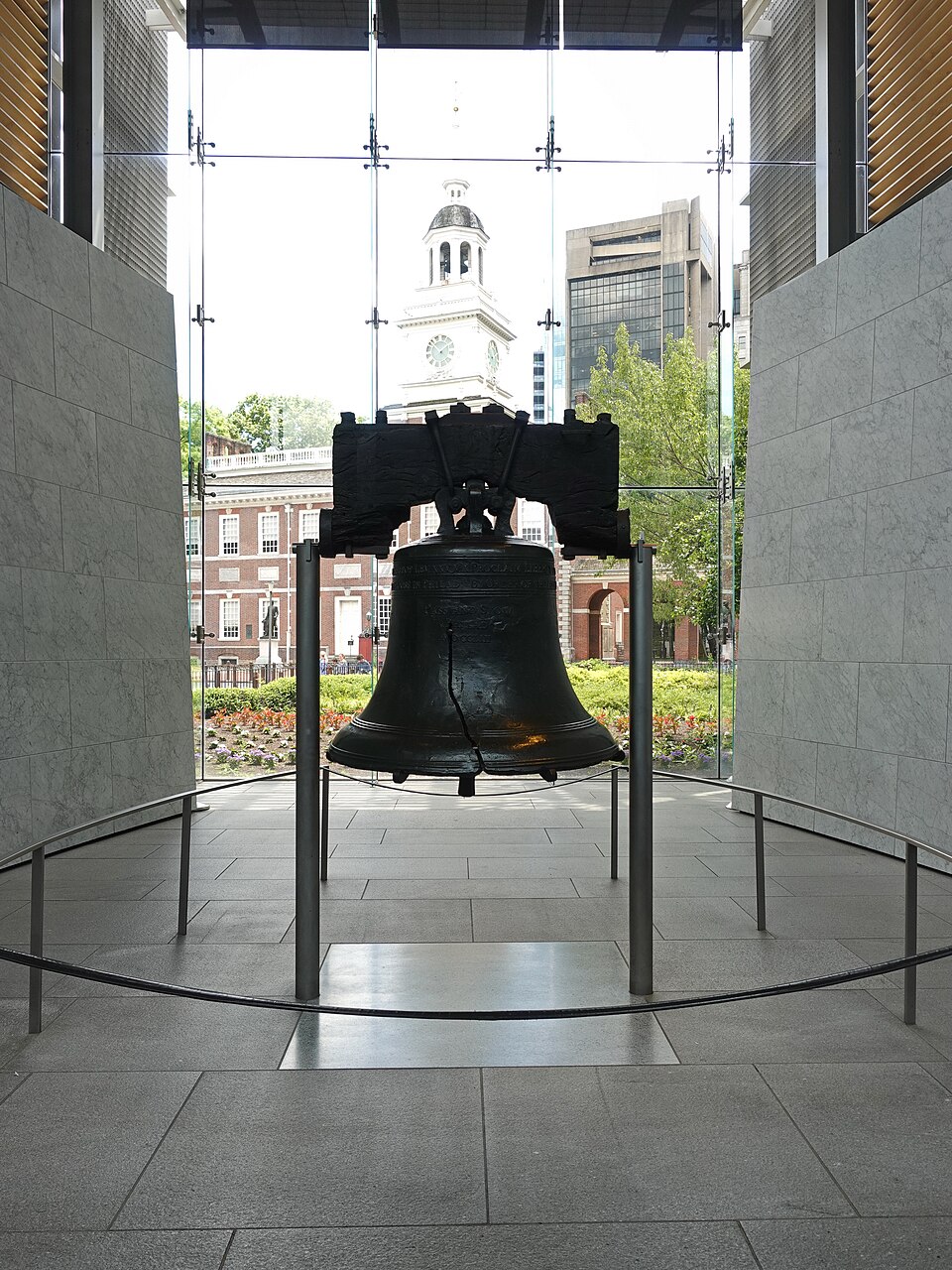
The most recognizable feature of the Liberty Bell is its large crack. Historians are not completely sure when the bell first cracked, but it likely developed a thin crack sometime in the early 1800s. In 1846, the bell was rung to celebrate George Washington’s birthday, and the crack grew so large that the bell could never be rung again. Repair workers tried to fix it by drilling out the edges of the crack to stop it from spreading, but the bell was permanently silenced.
The Bell and the Fight Against Slavery
In the 1830s, abolitionists — people who fought to end slavery — adopted the bell as their symbol. They were the first group to call it the “Liberty Bell,” using the inscription about liberty to argue that all people deserved to be free. Before that, the bell was simply known as the “State House Bell.” The abolitionists printed images of the bell on pamphlets and publications to spread their message. This connection to the antislavery movement gave the bell a powerful new meaning.
Traveling Across America
Between 1885 and 1915, the Liberty Bell traveled by train to exhibitions and world’s fairs across the United States. It visited cities like New Orleans, Chicago, Atlanta, and San Francisco, where huge crowds came out to see it. These trips helped make the bell a national symbol that people across the country could connect with. However, the trips may have made the crack worse, so the city of Philadelphia decided to stop sending the bell on tours. Since 1915, the bell has stayed in Philadelphia.
Where You Can See It Today
Today, the Liberty Bell is displayed at the Liberty Bell Center on Chestnut Street in Philadelphia. The center opened in 2003 and is run by the National Park Service. Visitors can see the bell up close and learn about its history through exhibits and displays. The center is open every day, and admission is free. Through the center’s large glass windows, visitors can also see Independence Hall in the background, connecting the bell to the place where the Declaration of Independence was signed.
Why the Liberty Bell Still Matters
The Liberty Bell remains an important symbol of freedom and equality in the United States. Its message of liberty for all people has inspired many groups throughout American history, from abolitionists to civil rights leaders. Even though the bell can no longer ring, its message continues to be heard around the world. The crack itself has become part of the bell’s meaning, reminding people that the fight for liberty is never finished. The Liberty Bell stands as a reminder of the ideals that the United States was built upon.
 OtterKnow Kids Encyclopedia