The History of Mobile Phones
Before smartphones, people could only make phone calls from telephones connected to wires in their homes or offices. In 1973, an engineer named Martin Cooper made the first call from a handheld mobile phone. His phone was a Motorola prototype that weighed about 2.5 pounds and was 10 inches long, so people nicknamed it “the brick.” It could only talk for 30 minutes before the battery died, and it took 10 hours to recharge! The first mobile phones went on sale to the public in 1983, but they were very expensive and could only make voice calls.
The Rise of Smartphones
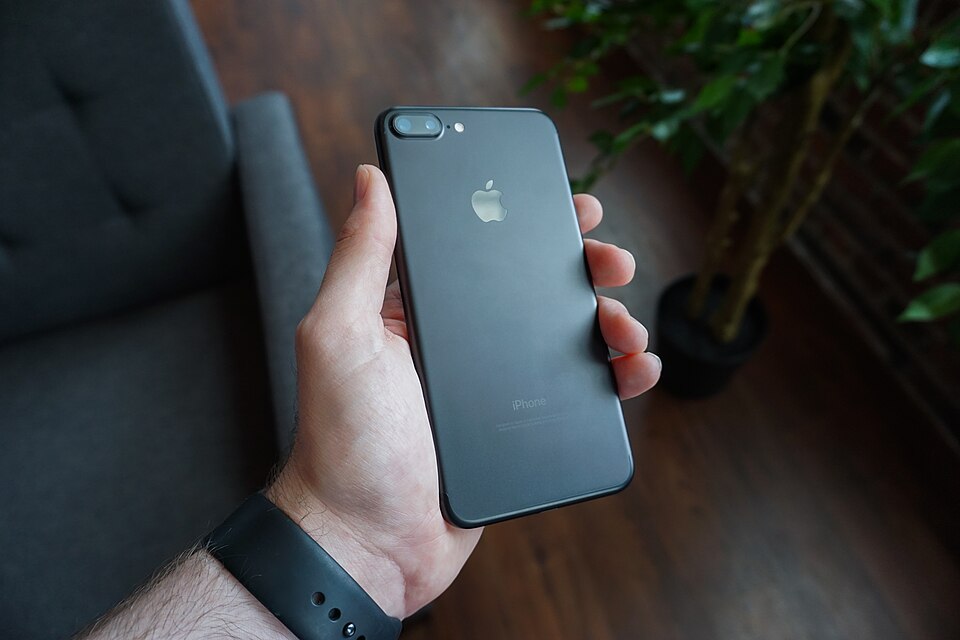
The first smartphone was created by IBM in 1993. It had a touchscreen and could do things like keep a calendar and store contact information, but it looked nothing like the sleek phones we know today. The biggest change came in 2007, when Apple introduced the iPhone. It featured a large touchscreen with no physical keyboard, and people could download apps to customize what their phone could do. Other companies like Samsung and Google soon made their own smartphones, and the technology spread rapidly around the world.
How Smartphones Work
Smartphones connect to the internet and other phones using invisible radio waves sent through a network of cell towers. These towers are spread across cities and towns, and each one covers a small area called a “cell,” which is how cell phones got their name. Mobile networks have improved over time, from early 1G networks that only carried voice calls, to 4G and 5G networks that can stream videos and download files very quickly. Smartphones also connect to Wi-Fi networks for faster internet access when you are at home or school.
What Smartphones Can Do
Modern smartphones are packed with amazing technology. They have built-in cameras that can take high-quality photos and record video. GPS sensors help with maps and navigation so you never get lost. Smartphones also include tools like calculators, flashlights, voice assistants, and fitness trackers. People use them to video-chat with friends and family, listen to music, read books, check the weather, and much more. Many students even use smartphones and tablets as learning tools in the classroom.
Staying Safe with Smartphones
While smartphones are very useful, it is important to use them wisely. Spending too much time looking at a screen can strain your eyes and cut into time for exercise, sleep, and playing with friends. It is also important to protect your personal information online by never sharing your full name, address, or passwords with strangers. Many families set rules about when and how long kids can use phones. Being a smart and responsible phone user means knowing when to put the phone down and enjoy the world around you.
The Future of Mobile Technology
Smartphone technology keeps getting better every year. Screens are getting sharper, cameras are getting clearer, and batteries are lasting longer. New 5G networks are making mobile internet faster than ever before. Scientists and engineers are also working on foldable phones, augmented reality features that overlay digital images onto the real world, and ways to make phones more environmentally friendly. The mobile phone has come a long way from Martin Cooper’s 2.5-pound brick, and the future promises even more exciting changes.
 OtterKnow Kids Encyclopedia