How Suburbs Grew
Suburbs began to grow rapidly in the United States after World War II in the late 1940s and 1950s. Builders like William Levitt created entire neighborhoods of affordable houses very quickly, and families rushed to buy them. The construction of highways and interstate roads made it easier for people to drive from suburbs into the city for work. The invention of affordable cars also helped suburbs expand, since families could now travel longer distances each day. Over the decades, suburbs have continued to spread outward from cities all across the country.
Housing in the Suburbs
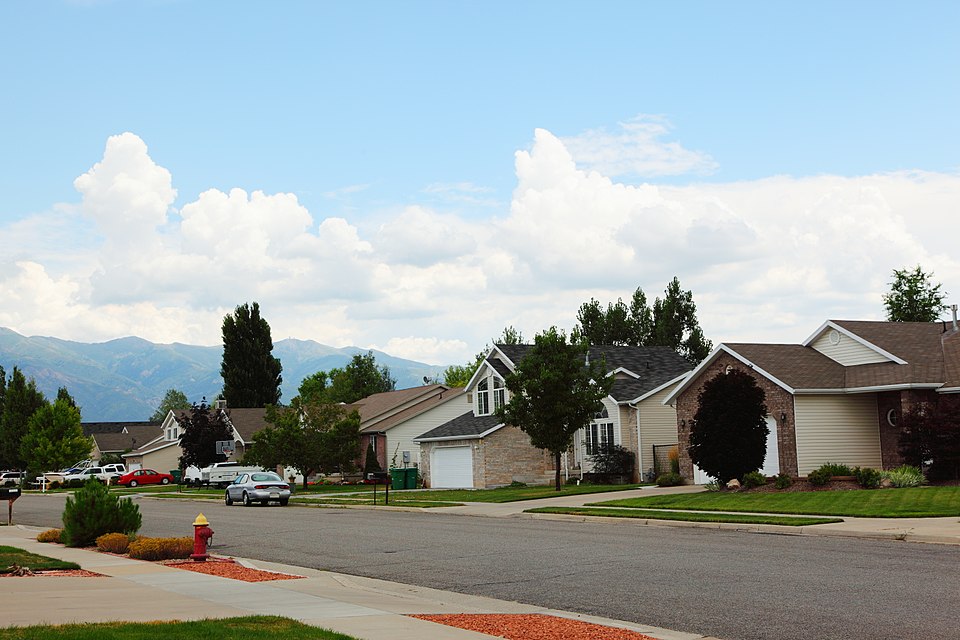
Most suburban homes are single-family houses with their own yards, driveways, and garages. Neighborhoods in the suburbs often have rows of houses that look similar to each other, built around the same time by the same builder. Many suburbs also have townhouses and apartment complexes, especially in areas closer to the city. Homes in the suburbs are usually less expensive than similar-sized homes in the city, which is one reason families choose to live there. Yards give families space for gardens, pets, and outdoor play.
Getting Around
In most suburbs, people rely on cars to get to work, school, stores, and other places. Streets in suburban neighborhoods are often wider and less crowded than city streets. Some suburbs have bus routes or train stations that connect to the nearby city, making it possible to commute without driving. Bike paths and sidewalks are common in newer suburban developments. However, because stores and schools can be spread far apart, walking everywhere is usually not as easy as it is in a city.
Schools and Services
Suburban communities usually have their own school districts with elementary, middle, and high schools. Many suburban schools have large campuses with playgrounds, sports fields, and space for outdoor activities. Suburbs also have their own fire stations, police departments, and libraries to serve the community. Parks and recreation centers offer sports leagues, swimming pools, and summer programs for kids. Shopping centers and grocery stores are spread throughout suburban areas so residents do not have to travel to the city for everyday needs.
People in suburbs often know their neighbors and participate in community events like block parties, holiday parades, and farmers’ markets. Homeowners’ associations, or HOAs, are groups that help keep neighborhoods looking neat by setting rules about things like lawn care and house colors. Many suburban families are involved in youth sports leagues, scouting groups, and school volunteer programs. Religious organizations, community centers, and local clubs also bring people together. Suburbs can feel like a close-knit community even though they are part of a larger metropolitan area.
Challenges Suburbs Face
As suburbs continue to grow, they face some important challenges. Suburban sprawl, which means spreading development over large areas of land, can destroy natural habitats for plants and animals. Heavy car use in suburbs contributes to air pollution and traffic congestion on highways. Some older suburbs struggle with aging roads, bridges, and water systems that need expensive repairs. Suburbs must also plan carefully to make sure there are enough schools, parks, and emergency services for growing populations. Finding ways to grow while protecting the environment is an ongoing challenge for many suburban communities.
Suburbs Around the World
Suburbs are not just an American idea — cities around the world have suburban areas too. In countries like Canada, Australia, and the United Kingdom, suburbs surround major cities just like they do in the United States. However, suburbs look different in different places. In some European countries, suburbs include more apartment buildings and better public transportation than American suburbs. In parts of Asia and Latin America, suburban areas are growing rapidly as more people move away from crowded city centers. No matter where they are, suburbs offer a middle ground between the busy city and the quiet countryside.
 OtterKnow Kids Encyclopedia