Farming and Agriculture
Many rural communities are centered around farming and agriculture, which provides food for people all across the country. Farmers in rural areas grow crops like corn, wheat, soybeans, and vegetables, or raise animals such as cattle, chickens, and pigs. The United States has about 2 million farms, and most of them are located in rural regions. Modern farmers use technology like GPS-guided tractors, drones, and computer systems to help them work more efficiently. Agriculture is not just about growing food — it also includes forestry, fishing, and raising animals for wool, leather, and other products.
Daily Life in Rural Areas
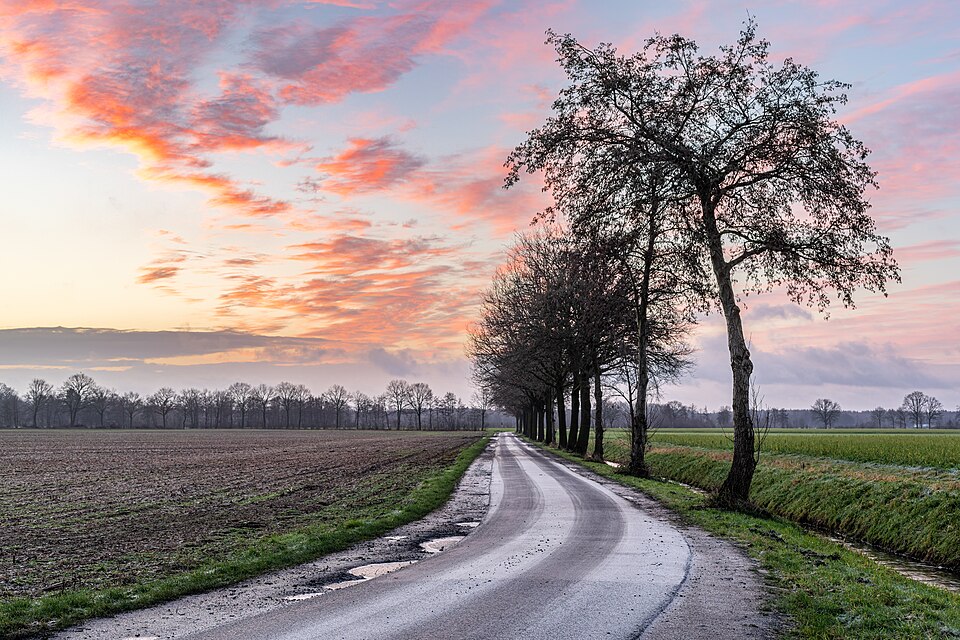
Life in a rural community looks quite different from life in a city. People often have to drive longer distances to get to stores, schools, and hospitals because these services are spread far apart. Many families live on large properties with plenty of space for gardens, animals, and outdoor activities. Children in rural areas might ride the school bus for an hour or more each way because their school serves a wide area. Neighbors often help each other with big tasks like harvesting crops, building fences, or caring for animals during emergencies.
Jobs and the Economy
While farming is one of the most important jobs in rural communities, people work in many other fields too. Some common rural jobs include logging, mining, ranching, and working in small local businesses like gas stations, restaurants, and hardware stores. Tourism also brings money to many rural areas, especially those near national parks, lakes, or ski resorts. In recent years, more people have been able to work from home using the internet, which allows some rural residents to have jobs at companies based in faraway cities. Small-town economies often depend on just a few main industries, which can make them vulnerable when those industries face hard times.
Schools and Services
Rural schools are often smaller than schools in cities and suburbs, and some serve students from a very large geographic area. In some parts of the country, a single school building might hold students from kindergarten all the way through twelfth grade. Because rural areas have fewer people, they may have limited access to services like hospitals, libraries, and public transportation. Volunteer fire departments are common in rural communities because there are not enough residents to fund a full-time department. Despite these challenges, many rural communities find creative solutions, like mobile libraries that travel from town to town.
Nature and the Environment
One of the biggest advantages of rural life is being close to nature. Rural communities are often surrounded by forests, rivers, mountains, prairies, or farmland. Many people in rural areas enjoy outdoor activities like hiking, fishing, hunting, horseback riding, and camping. Wildlife is more visible in rural settings, and it is common to see deer, birds of prey, foxes, and other animals near homes and roads. Rural residents often play an important role in conservation by managing their land carefully to protect water sources, soil, and wildlife habitats.
Challenges Facing Rural Communities
Rural communities face some unique challenges that can make life difficult for residents. Many rural areas have slower internet connections or no broadband access at all, which makes it harder for students to do homework online and for adults to work remotely. Young people sometimes move away to cities for college or jobs, which can cause the population of small towns to shrink over time. Access to healthcare can be a serious concern because rural hospitals have been closing across the country — more than 100 rural hospitals closed between 2010 and 2021. Transportation can also be a challenge since most rural areas do not have buses, trains, or rideshare services.
Why Rural Communities Matter
Rural communities are an essential part of the United States and countries around the world. They produce much of the food, timber, and natural resources that everyone depends on. Rural areas also preserve important cultural traditions, from folk music and crafts to rodeos and county fairs. The open spaces and natural landscapes found in rural regions provide clean air, clean water, and habitats for countless plant and animal species. Understanding and supporting rural communities helps make sure that people everywhere have access to opportunities and a good quality of life.
 OtterKnow Kids Encyclopedia