History of Libraries
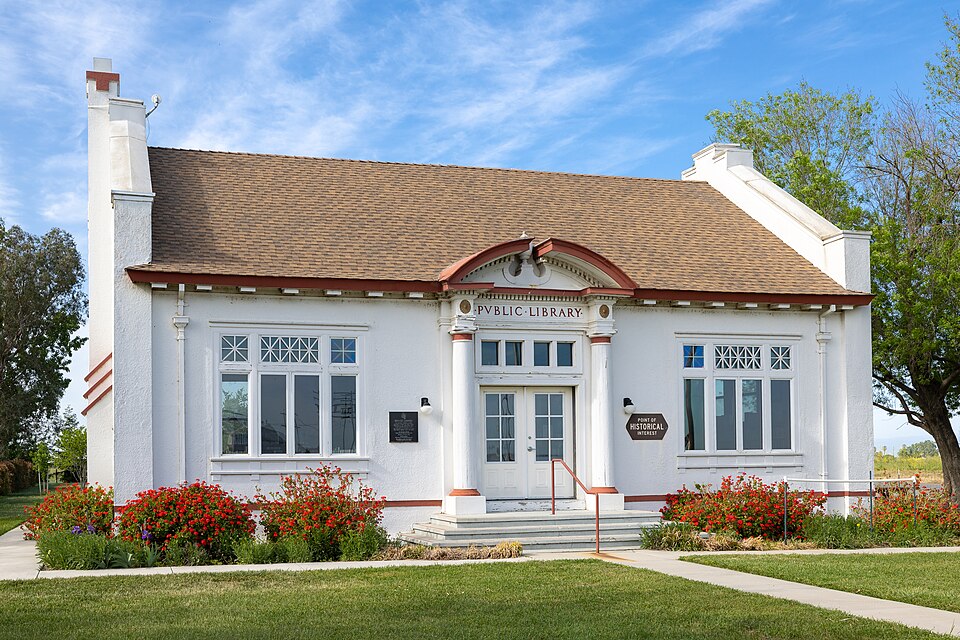
Some of the earliest libraries in the world were created thousands of years ago in ancient Mesopotamia, where people stored clay tablets covered in writing. The Library of Alexandria in ancient Egypt was one of the most famous libraries in history and aimed to collect all the knowledge in the world. In the United States, Benjamin Franklin helped start one of the first lending libraries in 1731 in Philadelphia, where members paid a fee to borrow books. In the early 1900s, Andrew Carnegie donated money to build more than 1,600 free public libraries across the country. Today, the idea that libraries should be free and open to everyone is a core part of American community life.
What You Can Find at the Library
Modern libraries offer much more than just books. You can find magazines, newspapers, audiobooks, DVDs, video games, and even tools or musical instruments at some libraries. Most libraries have computers with internet access that anyone can use for free, which is especially helpful for people who do not have a computer at home. Many libraries also have 3D printers, recording studios, and maker spaces where you can build and create things. Libraries organize their collections using a system of call numbers so you can find exactly what you are looking for on the shelves.
Librarians and Library Workers
Librarians are trained professionals who help people find information, choose books, and learn how to use library resources. Most librarians have a special master’s degree in library science, which teaches them how to organize and share information. They can help you with research projects, recommend a great book to read, or show you how to search a database. Libraries also employ many other workers, including circulation clerks who check out and return materials, and technology specialists who keep the computers running. Librarians are sometimes called “information professionals” because their job is all about connecting people with the knowledge they need.
Programs and Events
Libraries host many free programs and events for people of all ages throughout the year. Summer reading programs encourage kids to keep reading during school breaks and often include prizes and fun activities. Many libraries offer story time sessions for young children, homework help for students, and book clubs for teens and adults. You might also find coding classes, art workshops, author visits, and movie screenings at your local library. These programs help make the library a lively gathering place where people come together to learn and have fun.
How Libraries Are Organized
Most public libraries in the United States use the Dewey Decimal Classification system to organize their nonfiction books into ten main categories. This system was invented by Melvil Dewey in 1876 and assigns a number to every subject, making it easier to find books on the same topic together on the shelf. Fiction books are usually arranged alphabetically by the author’s last name. Libraries also have separate sections for children, teens, and adults, so you can easily find materials that are right for your age and reading level. The library catalog, which you can search on a computer, tells you whether a book is available and exactly where to find it.
Libraries in the Digital Age
Today’s libraries have adapted to the digital world in exciting ways. Many libraries let you borrow e-books and audiobooks online through apps like Libby or OverDrive, so you can read on a tablet or phone without even visiting the building. Libraries also provide free access to online databases, educational websites, and streaming services that would normally cost money. Some libraries even lend out Wi-Fi hotspots so families can have internet access at home. Despite all these digital offerings, physical libraries remain popular because people still love browsing the shelves, studying in quiet spaces, and attending in-person events.
Why Libraries Matter
Public libraries are one of the few places in a community where everyone is welcome, no matter their age, income, or background. They help bridge the gap between people who can afford to buy books and technology and those who cannot. Libraries support students by providing free resources for homework and school projects. They help adults find jobs by offering resume workshops and computer access for job searches. By providing free access to information and education, libraries play a vital role in making sure every person in the community has the chance to learn and succeed.
 OtterKnow Kids Encyclopedia