Churches
Churches are places of worship for Christians, the largest religious group in the world. Most churches have a cross on the building, which is an important symbol of the Christian faith. Inside, you might find rows of seats called pews, stained glass windows that tell stories from the Bible, and an altar at the front of the room. Some churches are small wooden buildings in rural areas, while others are enormous stone cathedrals that took hundreds of years to build. Christians gather in churches on Sundays for worship services that include prayers, singing hymns, and listening to sermons.
Mosques
Mosques are places of worship for Muslims, people who follow the religion of Islam. Many mosques have one or more tall towers called minarets, which are used to call people to prayer five times each day. Before entering a mosque, worshippers remove their shoes and wash their hands, face, and feet in a tradition called wudu. The inside of a mosque usually has a large open space with beautiful carpets covering the floor, and a niche in the wall called a mihrab that points toward the holy city of Mecca in Saudi Arabia. Friday is the most important day for group prayer at a mosque.
Synagogues and Temples
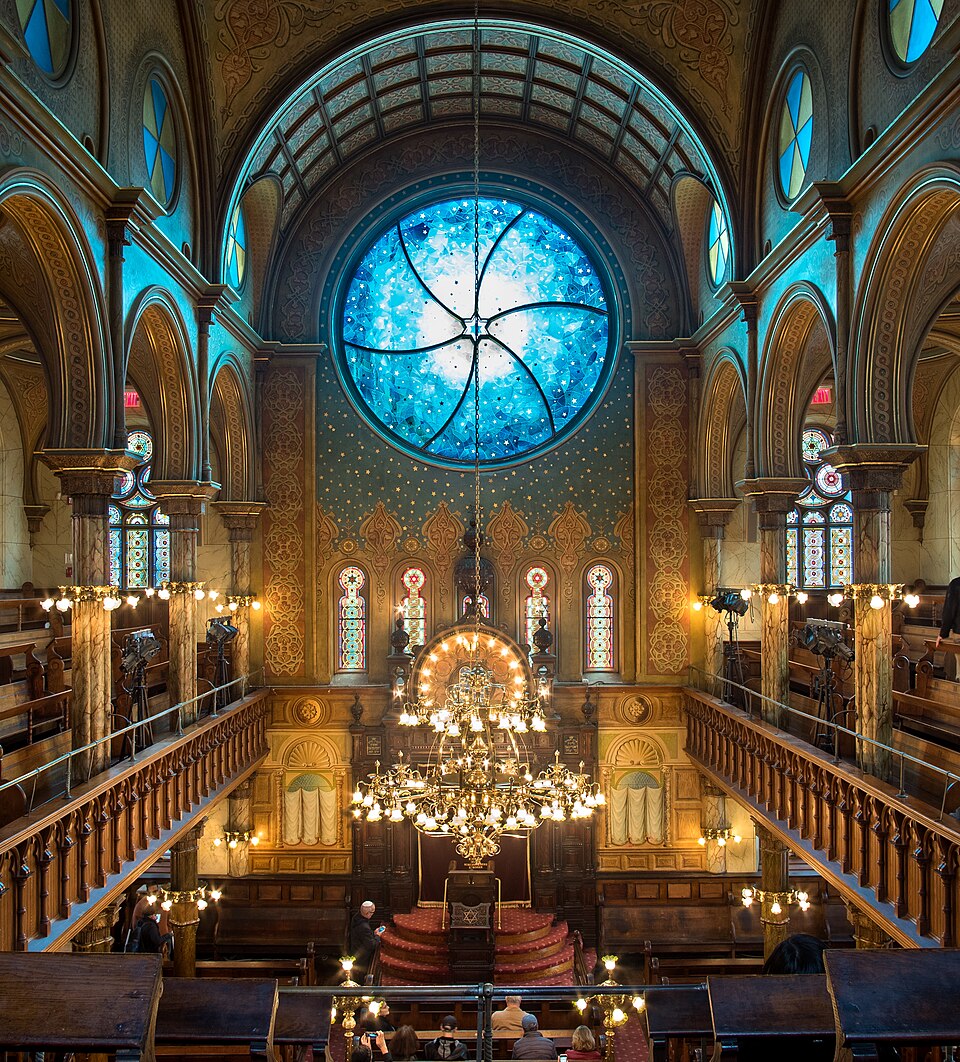
Synagogues are places of worship for Jewish people, where they gather to pray, study the Torah, and celebrate holidays. Inside a synagogue, you will find the Ark, a special cabinet that holds the Torah scrolls, which are the most sacred texts in Judaism. Hindu temples are colorful buildings decorated with carvings of gods and goddesses, and worshippers bring offerings of flowers, fruit, and incense. Buddhist temples often feature statues of the Buddha and are peaceful places designed for meditation and reflection. Sikh gurdwaras welcome everyone and serve free meals to all visitors in a tradition called langar.
Places of worship do much more than hold religious services. Many run food banks and soup kitchens that provide meals to people who are hungry or experiencing hard times. They often organize clothing drives, shelter programs, and fundraisers to help community members in need. Some places of worship offer after-school programs, summer camps, and classes for children and adults. During natural disasters or emergencies, places of worship frequently open their doors as shelters where people can find safety and comfort.
Architecture and Design
The buildings used for worship come in many shapes and sizes, each with special meaning. Gothic cathedrals in Europe have tall pointed arches and flying buttresses that make them reach toward the sky, symbolizing closeness to God. Mosques often feature domes and geometric patterns in their tilework because Islamic art traditionally avoids images of people. Hindu temples may be shaped like mountains to represent the home of the gods, with layers of detailed stone carvings covering the walls. Many places of worship use light, space, and sound in clever ways to create a feeling of peace and wonder for the people inside.
Respecting Different Beliefs
In the United States and many other countries, people have the freedom to practice any religion they choose or no religion at all. This freedom of religion is protected by the First Amendment to the U.S. Constitution. When visiting a place of worship that is different from your own beliefs, it is important to be respectful by following the rules of that space, such as removing your shoes or covering your head if asked. Learning about different religions helps us understand and appreciate our neighbors and classmates. Respecting other people’s beliefs is an important part of living together in a diverse community.
Places of Worship Around the World
Some of the most famous buildings in the world are places of worship. The Western Wall in Jerusalem is a sacred site for Jewish people and has stood for about 2,000 years. The Great Mosque of Mecca in Saudi Arabia is the largest mosque in the world and can hold over two million worshippers at once. Notre-Dame Cathedral in Paris, France, is a famous Gothic church that was first built more than 800 years ago. The Golden Temple in Amritsar, India, is the holiest gurdwara for Sikhs and is covered in real gold. These buildings show how important faith and community have been to people throughout history.
 OtterKnow Kids Encyclopedia