Types of Parks
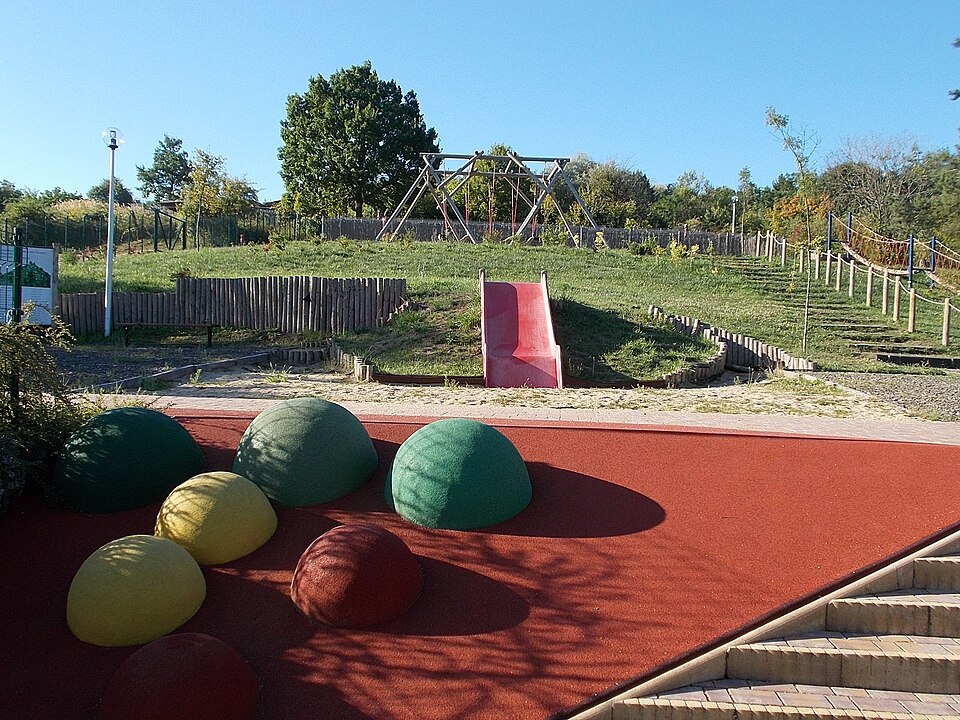
There are many different types of parks, each designed for different activities and purposes. City parks and neighborhood parks usually have playgrounds, walking paths, picnic areas, and open fields for sports. State parks protect natural areas like forests, lakes, and canyons while allowing visitors to hike, camp, and fish. National parks, managed by the National Park Service, preserve some of the most spectacular landscapes in the country, including the Grand Canyon and Yellowstone. There are also special-purpose parks like skate parks, dog parks, and water parks that focus on specific types of recreation.
Why Parks Matter
Parks provide important benefits to both people and the environment. Trees and plants in parks clean the air, provide shade, and create habitats for birds, squirrels, and other wildlife. Studies have shown that spending time in nature reduces stress and improves mood, making parks good for mental health. Parks also bring neighbors together by giving them a shared space to meet, play, and celebrate community events. In cities, parks help manage stormwater runoff and reduce the “heat island” effect, where concrete and asphalt make urban areas much hotter than surrounding countryside.
Recreation and Activities
Recreation means activities people do for fun and relaxation during their free time. Parks offer a wide variety of recreational activities, from playing soccer and basketball to hiking, biking, and swimming. Many parks have recreation centers with indoor facilities like gymnasiums, swimming pools, and rooms for classes in art, dance, and martial arts. Community recreation departments organize sports leagues, summer camps, and after-school programs that give kids safe and fun places to play and learn. These programs are especially important because they help children develop teamwork, physical fitness, and social skills.
The History of Public Parks
The idea of public parks began to grow in the 1800s as cities became crowded and people needed green spaces for fresh air and exercise. Central Park in New York City, designed by Frederick Law Olmsted and Calvert Vaux, opened in 1858 and became one of the most famous urban parks in the world. In 1872, Yellowstone became the first national park in the United States, setting aside over two million acres of wilderness for public enjoyment. The National Park Service was created in 1916 to manage and protect America’s growing collection of national parks. Today, the United States has over 400 national park sites and thousands of state and local parks.
Park Rangers and Workers
Park rangers are the people who protect and manage parks, and they have many different jobs depending on where they work. In national and state parks, rangers patrol trails, lead educational programs, and help visitors stay safe in the wilderness. They also work to protect wildlife, prevent forest fires, and preserve historic sites within the parks. City parks are maintained by groundskeepers, landscapers, and maintenance workers who mow grass, plant flowers, repair equipment, and keep everything clean. Recreation staff, including coaches, lifeguards, and program directors, organize the activities and events that make parks fun for everyone.
Parks and the Environment
Parks play a vital role in protecting the environment and preserving natural ecosystems. Large parks and nature reserves provide safe habitats where plants and animals can thrive without being disturbed by development. Wetland areas within parks filter water naturally and help prevent flooding in nearby neighborhoods. Many parks have started using sustainable practices like solar-powered lights, recycled materials for playground equipment, and native plants that need less water. By visiting parks and learning about nature, people develop a deeper appreciation for the environment and are more likely to take care of it.
How You Can Help Your Local Parks
There are many ways kids can help take care of the parks in their community. Picking up litter and recycling when you visit a park keeps it clean and safe for everyone, including the animals that live there. Many communities organize volunteer days where families can plant trees, pull weeds, or paint playground equipment. You can also join or start a “Friends of the Park” group at your school to raise awareness and plan cleanup events. Writing a letter to your city council about improving a local park is a great way to practice civic participation and make your voice heard.
 OtterKnow Kids Encyclopedia