A Brief History of Grocery Shopping
The way people buy groceries has changed a lot over the past 100 years. In the early 1900s, customers would hand a list to a clerk behind a counter, and the clerk would gather all the items for them. In 1930, a man named Michael J. Cullen opened the first true supermarket, called King Kullen, in a former garage in Queens, New York. This new idea let shoppers walk through aisles and pick out their own items, which was faster and kept prices lower. The self-service model was so popular that supermarkets quickly spread across the country, and by the 1950s they had become the main way Americans bought their food.
Types of Grocery Stores
There are many different types of places where people can buy groceries. Large supermarkets and warehouse stores like Costco carry thousands of products and serve many customers each day. Smaller specialty stores might focus on one type of food, such as a bakery, butcher shop, or fish market. Farmers’ markets bring local growers and producers together in one outdoor space, usually once or twice a week. Convenience stores are small shops that stay open long hours and sell a limited selection of everyday items. Each type of store fills a different need in the community.
How Food Gets to the Store
The journey food takes from a farm to a grocery store shelf is called the supply chain. Farmers grow crops and raise animals, then sell their products to companies that process, package, and ship them. Refrigerated trucks carry perishable items like milk, meat, and produce to keep them fresh during long trips. Many grocery stores receive deliveries from large warehouses called distribution centers, where products from hundreds of different suppliers are sorted and sent out. This whole process can involve food traveling hundreds or even thousands of miles before it reaches your local store.
People Who Work at Grocery Stores
A grocery store needs many different workers to keep everything running smoothly. Cashiers scan and bag items at the checkout counter, while stock clerks unpack deliveries and arrange products neatly on shelves. Butchers cut and prepare meat, bakers make fresh bread and pastries, and deli workers slice cheese and prepare ready-to-eat meals. Store managers oversee the whole operation, making sure shelves are full, employees are scheduled, and customers are happy. The grocery industry is one of the largest employers in the United States, with about 2.7 million people working in supermarkets and grocery stores.
Farmers’ Markets and Local Food
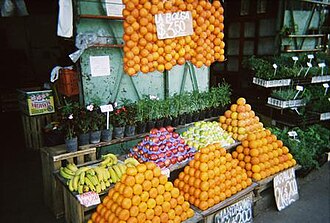
Farmers’ markets have become very popular in communities across the country in recent years. At a farmers’ market, local farmers and food producers sell their goods directly to customers, often just hours after harvesting. This means the fruits and vegetables are usually fresher than what you find in a regular grocery store. Buying from farmers’ markets also supports local farmers and keeps money circulating in the community. The number of farmers’ markets in the United States has grown from about 1,755 in 1994 to more than 8,000 today, showing how much people value fresh, local food.
Reading Labels and Making Choices
Grocery stores give families the chance to make important choices about the food they eat. Nutrition labels on packaged foods show information like how many calories a serving has and what vitamins and minerals are inside. Shoppers can also look for labels like “organic,” which means the food was grown without certain pesticides or chemicals. Learning to compare prices by looking at the unit price — the cost per ounce or per pound — helps families get the best value for their money. These skills help young people become smart shoppers who can make healthy and budget-friendly choices.
Grocery Stores and the Community
Grocery stores do much more for a community than just sell food. They provide jobs for local residents, from teenagers working their first part-time job to experienced managers building a career. Many grocery stores donate food that is still safe to eat but cannot be sold to local food banks and shelters. Some communities lack nearby grocery stores with fresh, affordable food — these areas are sometimes called food deserts, and they can make it harder for families to eat healthy meals. Community leaders, nonprofit organizations, and businesses work together to solve this problem by opening new stores, supporting mobile markets, and creating community gardens.
 OtterKnow Kids Encyclopedia