The Pacific Ocean
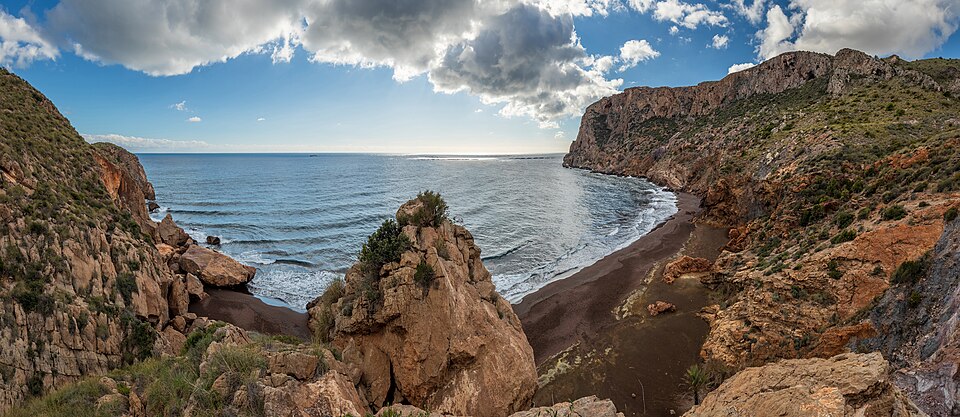
The Pacific Ocean is the largest and deepest ocean on Earth, covering more area than all of the land on the planet combined. It stretches from Asia and Australia in the west to North and South America in the east. The Mariana Trench, located in the western Pacific, is the deepest point on Earth at nearly 36,000 feet below the surface. The Pacific Ocean got its name from the explorer Ferdinand Magellan, who called it “Mar Pacifico,” meaning “peaceful sea,” because the waters seemed calm during his voyage in 1520. This vast ocean is home to thousands of islands, including Hawaii, Fiji, and the Philippines.
The Atlantic Ocean
The Atlantic Ocean is the second-largest ocean and separates the Americas from Europe and Africa. It is shaped roughly like the letter “S” and stretches from the Arctic in the north to the Southern Ocean near Antarctica. The Mid-Atlantic Ridge, an underwater mountain range, runs down the middle of the ocean floor and is the longest mountain range on Earth. The Atlantic Ocean is an important route for ships carrying goods between continents, and it has been used for trade and exploration for hundreds of years. The Gulf Stream, a powerful warm current in the Atlantic, helps keep the climate of western Europe milder than it would otherwise be.
The Indian Ocean
The Indian Ocean is the third-largest ocean and is located mostly in the Southern Hemisphere, between Africa, Asia, and Australia. It is the warmest of all the oceans, and its warm waters help create the monsoon weather patterns that bring heavy rains to countries like India and Bangladesh. The Indian Ocean is home to many important trade routes that have been used for thousands of years, connecting the Middle East, Africa, and Asia. Beautiful coral reefs, including those around the Maldives and Seychelles, thrive in its tropical waters. The Indian Ocean also contains the island of Madagascar, which is home to plants and animals found nowhere else on Earth.
The Southern and Arctic Oceans
The Southern Ocean surrounds Antarctica and is the fourth-largest ocean, officially recognized by the International Hydrographic Organization in 2000. Its icy waters are home to unique wildlife like penguins, seals, and enormous whales that feed on tiny shrimp-like creatures called krill. The Arctic Ocean is the smallest and shallowest of the five oceans, located around the North Pole. Much of the Arctic Ocean is covered by sea ice, which grows larger in winter and shrinks in summer. Polar bears, walruses, and narwhals are some of the animals that live in and around the frigid Arctic waters.
Ocean Currents and Climate
Ocean currents are like giant rivers flowing through the sea, and they play a huge role in shaping Earth’s weather and climate. Warm currents carry heated water from the tropics toward the poles, while cold currents bring chilly water back toward the equator. This constant movement of water helps distribute heat around the planet, which is why coastal cities often have milder weather than places far from the ocean. The oceans also absorb a large amount of the sun’s heat and release it slowly, acting like a giant temperature regulator for the entire Earth. Without the oceans, temperatures on land would swing wildly between extreme heat during the day and extreme cold at night.
Life in the Oceans
The oceans are home to a huge variety of life, from the tiniest plankton to the largest animal ever known, the blue whale. Coral reefs, sometimes called the “rainforests of the sea,” support about 25 percent of all marine species even though they cover less than 1 percent of the ocean floor. Deep-sea creatures like anglerfish and giant squid live in total darkness thousands of feet below the surface. Phytoplankton, tiny plant-like organisms floating near the surface, produce more than half of the oxygen we breathe. Scientists believe that millions of ocean species have yet to be discovered, especially in the deep sea.
Why We Need to Protect the Oceans
The oceans face serious threats from pollution, overfishing, and climate change. Plastic waste is one of the biggest problems, with millions of tons of plastic entering the oceans every year, harming sea turtles, seabirds, and marine mammals. Rising ocean temperatures caused by climate change are bleaching coral reefs and forcing fish to move to cooler waters. Overfishing has reduced the populations of many important fish species, upsetting the balance of ocean ecosystems. People around the world are working to protect the oceans by creating marine reserves, reducing plastic use, and finding ways to fish more sustainably.
Fun Facts About the Oceans
If you could drive a car across the Pacific Ocean at highway speed, it would take more than four months of nonstop driving to get from one side to the other. The ocean is so deep in some places that if you put Mount Everest at the bottom of the Mariana Trench, its peak would still be more than a mile underwater. The oceans contain about 20 million tons of gold dissolved in the seawater, but it is spread so thinly that it would cost far more to collect than the gold is worth. Ocean waves can travel thousands of miles across the open sea before crashing onto a distant shore. The Great Barrier Reef off the coast of Australia is so large that it can be seen from space.
 OtterKnow Kids Encyclopedia