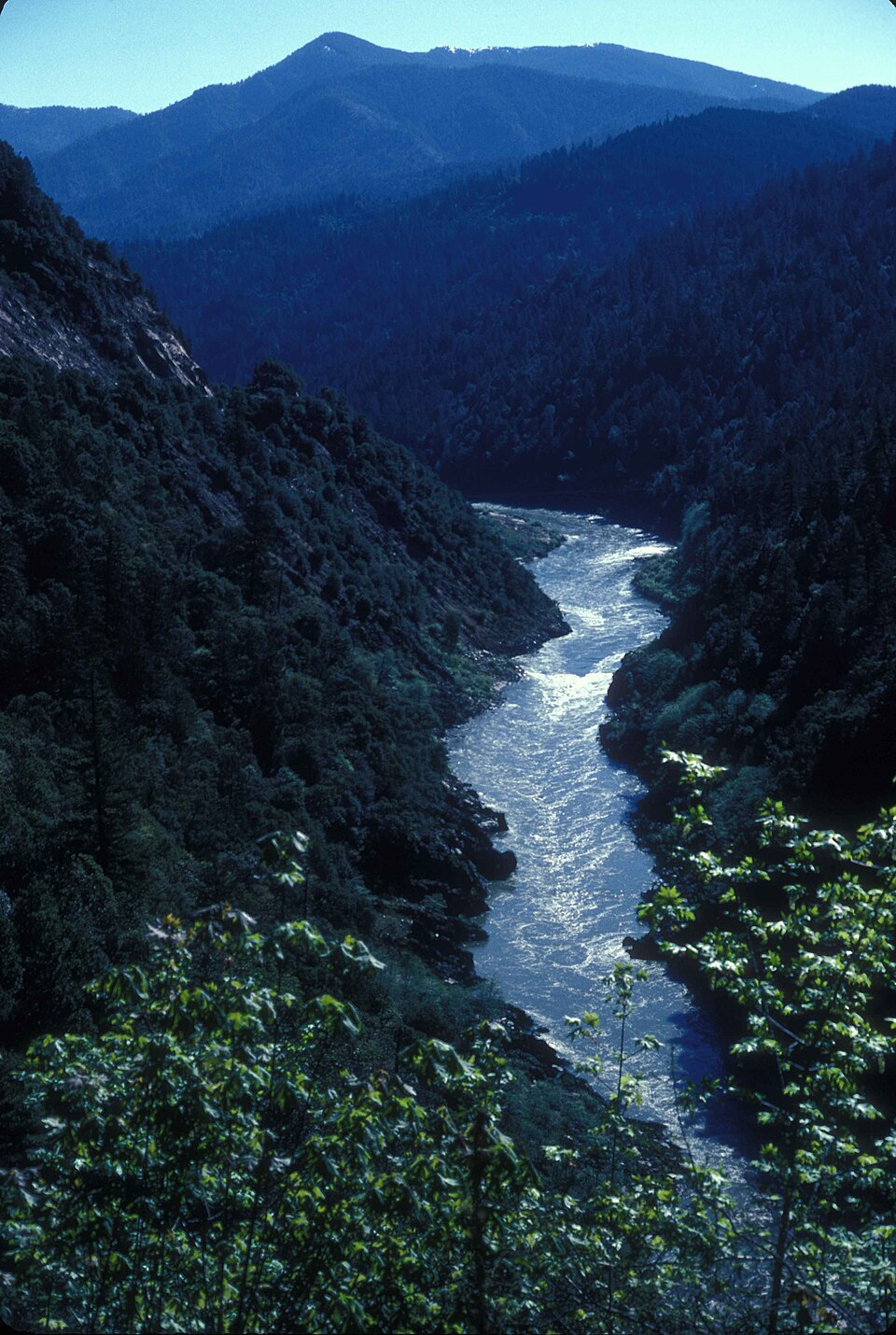
Most rivers begin high up in mountains or hills, where rain and melting snow collect into small streams. These small streams join together and grow bigger as they flow downhill, pulled by gravity. The place where a river begins is called its source, and the place where it empties into a larger body of water is called its mouth. Along the way, rivers carve valleys, create waterfalls, and deposit soil that forms flat areas called floodplains. Some rivers, like the Nile in Africa and the Amazon in South America, travel thousands of miles before reaching the ocean.
Different Types of Lakes
Lakes come in many shapes and sizes, and they form in different ways. Some lakes fill up in basins carved out by ancient glaciers thousands of years ago, like the Great Lakes in North America. Others form when rivers are blocked by landslides or lava flows, creating a natural dam. Crater lakes sit inside the openings of old volcanoes that have filled with rainwater over time. The largest lake in the world by surface area is the Caspian Sea, which is so big that it was named a sea even though it is actually a lake.
Why Water Is Important to People
Rivers, lakes, and waterways have been essential to human life for thousands of years. Ancient civilizations, including Egypt, Mesopotamia, and China, grew up along riverbanks because the water was needed for drinking, farming, and transportation. Today, rivers and lakes still provide drinking water for billions of people around the world. Many cities and towns are built near rivers because boats can carry goods and people from place to place. Dams built across rivers also generate hydroelectric power, which provides electricity to homes and businesses.
Plants and Animals That Live in Fresh Water
Freshwater habitats like rivers and lakes are home to an amazing variety of plants and animals. Fish such as trout, bass, and catfish swim in rivers and lakes, while frogs, turtles, and beavers live along the banks. Water plants like cattails and water lilies grow in shallow areas and provide food and shelter for many creatures. Rivers and wetlands also serve as important stopping points for migrating birds that need to rest and eat during long journeys. Scientists estimate that freshwater ecosystems support about 10 percent of all known animal species, even though fresh water makes up less than 1 percent of Earth’s surface water.
Famous Rivers and Lakes Around the World
Some rivers and lakes are famous for their enormous size or the role they play in people’s lives. The Amazon River in South America carries more water than any other river on Earth and flows through the world’s largest rainforest. The Nile River in Africa stretches about 4,130 miles, making it one of the longest rivers in the world. Lake Baikal in Russia is the deepest lake on Earth, reaching depths of over 5,300 feet, and it holds about 20 percent of the world’s unfrozen fresh water. The Mississippi River in the United States runs through the heart of the country and has been an important route for trade and travel for centuries.
How People Protect Waterways
Keeping rivers and lakes clean is one of the most important jobs people have today. Pollution from factories, farms, and cities can make water unsafe for drinking and harmful to plants and animals. Many countries have passed laws to limit the amount of pollution that can enter waterways. Organizations and volunteers also work to clean up rivers and lakes by removing trash and planting trees along the banks to prevent erosion. When communities take care of their waterways, they help protect the drinking water, wildlife, and natural beauty that everyone depends on.
Fun Facts About Rivers and Lakes
The Amazon River is so wide in some places that no bridge has ever been built across it. The Dead Sea, a lake between Israel and Jordan, is so salty that people can float on its surface without even trying. Underground rivers flow through caves beneath the Earth’s surface, and some of them are large enough for people to explore by boat. Lake Superior, the largest of the Great Lakes, is so big that it could hold enough water to cover all of North and South America in one foot of water. Rivers constantly reshape the land, and over millions of years, the Colorado River carved out the Grand Canyon, which is over a mile deep.
 OtterKnow Kids Encyclopedia