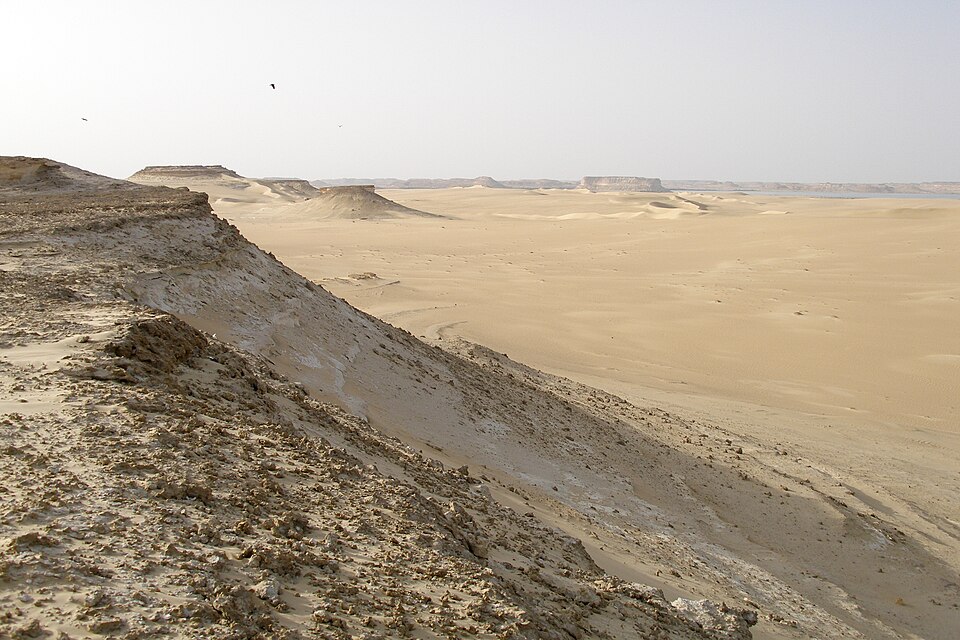
Where Deserts Are Found
Deserts cover about one-third of Earth’s land surface, making them one of the most widespread biomes on the planet. The largest hot desert is the Sahara in northern Africa, which stretches across 9 million square kilometers, an area roughly the size of the entire United States. Not all deserts are hot, though. Antarctica is actually considered a desert because it receives so little precipitation, even though it is covered in ice. Other major deserts include the Gobi Desert in Asia, the Arabian Desert in the Middle East, and the Atacama Desert in South America, which is one of the driest places on Earth.
Where Rainforests Are Found
Tropical rainforests are mostly found near the equator, where warm temperatures and heavy rainfall create perfect growing conditions year-round. The Amazon Rainforest in South America is the largest tropical rainforest in the world, covering about 5.5 million square kilometers across nine countries. Other important rainforests include the Congo Rainforest in central Africa and the rainforests of Southeast Asia, including those on the island of Borneo. Temperate rainforests also exist in cooler regions, such as the Pacific Northwest of North America, where heavy rainfall and mild temperatures support dense forests of towering evergreen trees.
Desert Climate and Survival
Life in the desert is all about saving water and dealing with extreme temperatures. In hot deserts like the Sahara, daytime temperatures can soar above 50 degrees Celsius (122 degrees Fahrenheit), but nights can be surprisingly cold because dry air does not hold heat well. Plants like cacti store water in their thick stems and have waxy coatings to prevent moisture from escaping. Animals such as the fennec fox have large ears that help release body heat, while many desert creatures are nocturnal, meaning they are active at night when it is cooler. Some desert animals, like the kangaroo rat, can survive their entire lives without ever drinking water, getting all the moisture they need from the seeds they eat.
Rainforest Climate and Layers
Tropical rainforests stay warm and wet throughout the year, with temperatures usually between 20 and 34 degrees Celsius (68 to 93 degrees Fahrenheit). Scientists divide the rainforest into four main layers based on height. The emergent layer at the very top has the tallest trees, which can grow over 60 meters (200 feet) high. Below that is the canopy, a thick roof of branches and leaves where most rainforest animals live. The understory is a darker, more humid layer beneath the canopy, home to shade-loving plants and insects. The forest floor at the bottom receives very little sunlight, so few plants grow there, but it is rich with decomposing leaves and nutrients.
Biodiversity in Both Biomes
Rainforests are the most biodiverse places on Earth, even though they cover only about 6 percent of the planet’s land surface. Scientists estimate that tropical rainforests contain more than half of all plant and animal species in the world, including colorful birds like toucans, tree-dwelling mammals like sloths, and thousands of insect species that have not even been named yet. Deserts may seem empty, but they support a surprising variety of life that has adapted to harsh conditions. The Sonoran Desert in North America, for example, is home to more than 2,000 plant species, 350 bird species, and 100 reptile species, including the famous Gila monster.
Why These Biomes Matter
Both deserts and rainforests play important roles in keeping our planet healthy. Rainforests act as the “lungs of the Earth” by absorbing carbon dioxide and releasing oxygen through photosynthesis, helping to regulate the global climate. They also store enormous amounts of carbon in their trees and soil, which helps slow down climate change. Deserts influence weather patterns by reflecting sunlight back into the atmosphere and creating wind systems that carry moisture to other regions. Many indigenous peoples have lived in both deserts and rainforests for thousands of years, developing deep knowledge about how to use and protect these environments.
Threats and Conservation
Both deserts and rainforests face serious threats from human activity. Deforestation is the biggest danger to rainforests, with an area roughly the size of a football field being cleared every few seconds for farming, logging, and development. When rainforests are destroyed, countless species lose their homes and carbon stored in trees is released into the atmosphere. Deserts are threatened by desertification, a process where fertile land on the edges of deserts turns dry and barren due to overgrazing, drought, and poor farming practices. Conservation efforts around the world are working to protect these vital biomes through national parks, reforestation projects, and sustainable land management practices.
 OtterKnow Kids Encyclopedia