The History of Labor Day
In the late 1800s, many American workers faced very difficult conditions in factories, mines, and other workplaces. People often worked 12 hours a day, six or even seven days a week, with very low pay. Children as young as five or six years old were sometimes forced to work in dangerous factories instead of going to school. Workers began joining together in groups called labor unions to demand better treatment. These unions fought for shorter workdays, safer conditions, and fair wages.
The First Labor Day
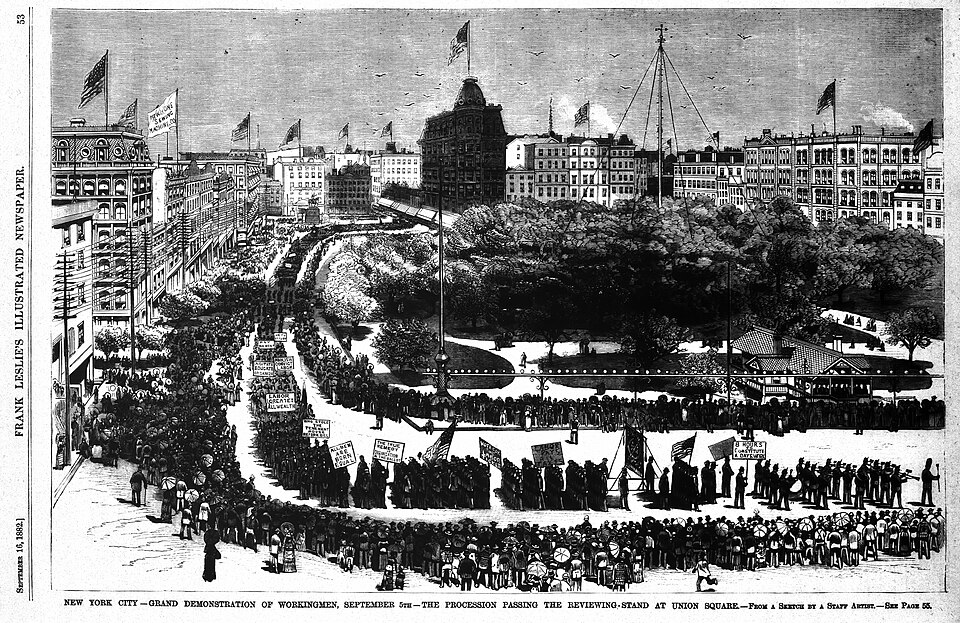
The first Labor Day celebration took place on September 5, 1882, in New York City. About 10,000 workers marched in a parade through the streets of Manhattan to show their pride and unity. After the parade, workers and their families enjoyed picnics, concerts, and speeches in a nearby park. The idea quickly spread to other cities across the country. Workers in many states began holding their own Labor Day events every year.
It Becomes a National Holiday
In 1894, President Grover Cleveland signed a law making Labor Day an official federal holiday. This happened after a major event called the Pullman Strike, where railroad workers across the country stopped working to protest wage cuts. The strike disrupted rail traffic and mail delivery nationwide, and the federal government sent troops to end it. To help calm tensions with workers, Congress quickly passed the Labor Day bill. The United States was one of the first countries in the world to create a national holiday honoring workers.
How Workers Changed America
The labor movement brought many changes that Americans still benefit from today. Labor unions helped establish the eight-hour workday and the five-day workweek that most adults now enjoy. They also pushed for laws banning child labor, so children could go to school instead of working in factories. Unions fought for workplace safety rules that protect people from dangerous conditions on the job. Minimum wage laws, which set the lowest amount a worker can be paid, also came from the labor movement.
How People Celebrate
Many Americans celebrate Labor Day by spending time with family and friends at barbecues, picnics, and outdoor gatherings. Parades are still held in cities and towns across the country, featuring marching bands, floats, and local organizations. Some communities host festivals with games, live music, and fireworks. It is also a popular weekend for travel, camping, and visiting beaches or parks. Many stores hold big sales, making it a busy shopping weekend as well.
Labor Day Around the World
While the United States celebrates Labor Day in September, most other countries honor workers on May 1, known as International Workers’ Day or May Day. May Day was inspired by American labor events, including a major protest in Chicago in 1886 called the Haymarket affair. Countries like France, Germany, Brazil, and China all celebrate May Day with parades and days off. Canada also celebrates Labour Day on the first Monday in September, just like the United States. No matter what date it falls on, the holiday reminds people everywhere of the importance of fair treatment for workers.
Why Labor Day Matters Today
Labor Day is more than just a day off from school — it is a reminder of how ordinary people worked together to make life better for everyone. The rights that workers fought for, like safe workplaces and fair pay, are things many people take for granted today. The holiday encourages us to appreciate the people who build our homes, grow our food, teach in our schools, and keep our communities running. It also reminds us that when people join together for a cause they believe in, they can make real change happen. Every job matters, and Labor Day is a chance to say thank you to all the workers who help make our world a better place.
 OtterKnow Kids Encyclopedia