The Story Behind Hanukkah
Hanukkah celebrates events that took place over 2,000 years ago in the land of Israel. In 168 BCE, the Syrian-Greek king Antiochus IV took control of the Jewish Temple in Jerusalem and banned the practice of Judaism. A small group of Jewish fighters called the Maccabees, led by Judah Maccabee, fought back against the much larger Syrian-Greek army. After three years of fighting, the Maccabees won and reclaimed the Temple. According to tradition, when they went to rededicate the Temple and relight its menorah, they found only enough oil to last one day, but the oil miraculously burned for eight nights.
The Menorah
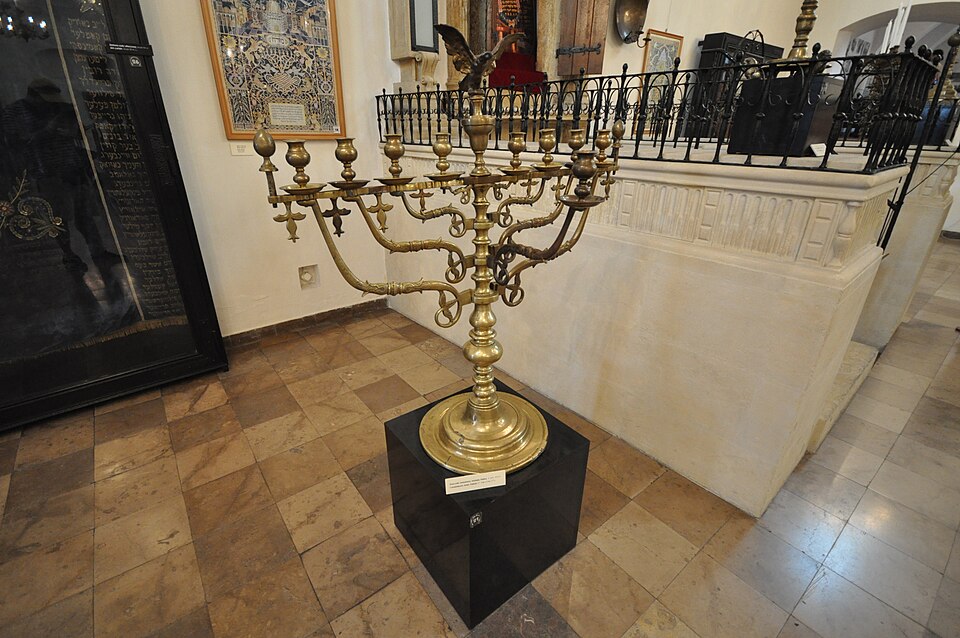
The Hanukkah menorah, also called a hanukkiah, is a special candle holder with nine branches. Eight branches hold candles representing each night of the holiday, and the ninth branch holds the shamash, or helper candle, which is used to light the others. On the first night of Hanukkah, one candle is lit, and an additional candle is added each night until all eight are glowing on the final night. The menorah is traditionally placed in a window or doorway so that its light can be seen from outside. Lighting the menorah is accompanied by special blessings and prayers.
Traditional Foods
Food plays a big role in Hanukkah celebrations, and many traditional dishes are fried in oil to remember the miracle of the oil in the Temple. Latkes, which are crispy potato pancakes, are one of the most popular Hanukkah foods and are often served with applesauce or sour cream. Sufganiyot, which are jelly-filled doughnuts, are a favorite treat in Israel and many other countries. Some families also enjoy foods like rugelach, a crescent-shaped pastry, and chocolate coins called gelt. Sharing meals with family and friends is an important part of the holiday celebration.
Dreidel and Games
The dreidel is a four-sided spinning top that is a beloved Hanukkah tradition. Each side of the dreidel is marked with a Hebrew letter: Nun, Gimel, Hey, and Shin, which stand for the phrase “Nes Gadol Haya Sham,” meaning “A great miracle happened there.” Players take turns spinning the dreidel and winning or losing game pieces, which are often chocolate coins, nuts, or candies. According to legend, Jewish children played with dreidels to hide the fact that they were secretly studying the Torah when it was forbidden. The dreidel game is enjoyed by children and adults alike during Hanukkah gatherings.
Gifts and Gelt
Gift-giving has become a popular part of Hanukkah celebrations, especially in the United States and Canada. Some families give small gifts on each of the eight nights, while others give one larger gift or donate to charity. Hanukkah gelt, which means “money” in Yiddish, is a tradition of giving children coins, and today chocolate coins wrapped in gold foil are a common treat. The tradition of giving gelt dates back to at least the 1600s in Eastern Europe. Many families use the holiday as an opportunity to teach children about generosity by encouraging them to share with others.
Hanukkah Around the World
Jewish communities around the world celebrate Hanukkah with both shared traditions and local customs. In Israel, Hanukkah is a national holiday, and giant menorahs are lit in public squares across the country. Cities around the world, including New York, London, and Paris, host large public menorah lightings that bring communities together. In Ethiopia, the Jewish community celebrates a related holiday called Sigd around the same time of year. No matter where it is celebrated, Hanukkah brings families and communities together to share light, food, and joy.
Why Hanukkah Matters
Hanukkah carries important messages about courage, faith, and the fight for religious freedom. The story of the Maccabees teaches that a small group of determined people can stand up for what they believe in, even against great odds. The miracle of the oil reminds people to find hope even in difficult times. Hanukkah also celebrates the importance of preserving cultural and religious traditions across generations. For Jewish families around the world, lighting the menorah each year connects them to thousands of years of history and to Jewish communities everywhere.
 OtterKnow Kids Encyclopedia