How Earth Day Started
Earth Day was founded by United States Senator Gaylord Nelson from Wisconsin after he witnessed a massive oil spill in Santa Barbara, California, in 1969. He was inspired by the student antiwar movement and wanted to channel that same energy toward protecting the environment. On April 22, 1970, the first Earth Day brought an estimated 20 million Americans into the streets to protest pollution and demand change. College students, schoolchildren, and community groups held teach-ins, rallies, and demonstrations across the country. That single day is credited with launching the modern environmental movement in the United States.
The Laws It Inspired
The first Earth Day had an enormous impact on environmental law in the United States. By the end of 1970, the government created the Environmental Protection Agency (EPA) to enforce pollution rules. Congress also passed the Clean Air Act that same year, which set limits on harmful air pollution from factories and cars. Over the next few years, other important laws followed, including the Clean Water Act and the Endangered Species Act. These laws have helped protect the air we breathe, the water we drink, and the animals and plants that share our world.
Earth Day Goes Global
In 1990, Earth Day went international for the first time, with 200 million people in 141 countries joining the celebration. Organizer Denis Hayes, who had also helped plan the first Earth Day, coordinated the global effort. The worldwide event helped pave the way for the 1992 United Nations Earth Summit in Rio de Janeiro, Brazil. Since then, Earth Day has continued to grow, and it is now recognized in more than 190 countries. In 2009, the United Nations officially designated April 22 as International Mother Earth Day.
How People Celebrate
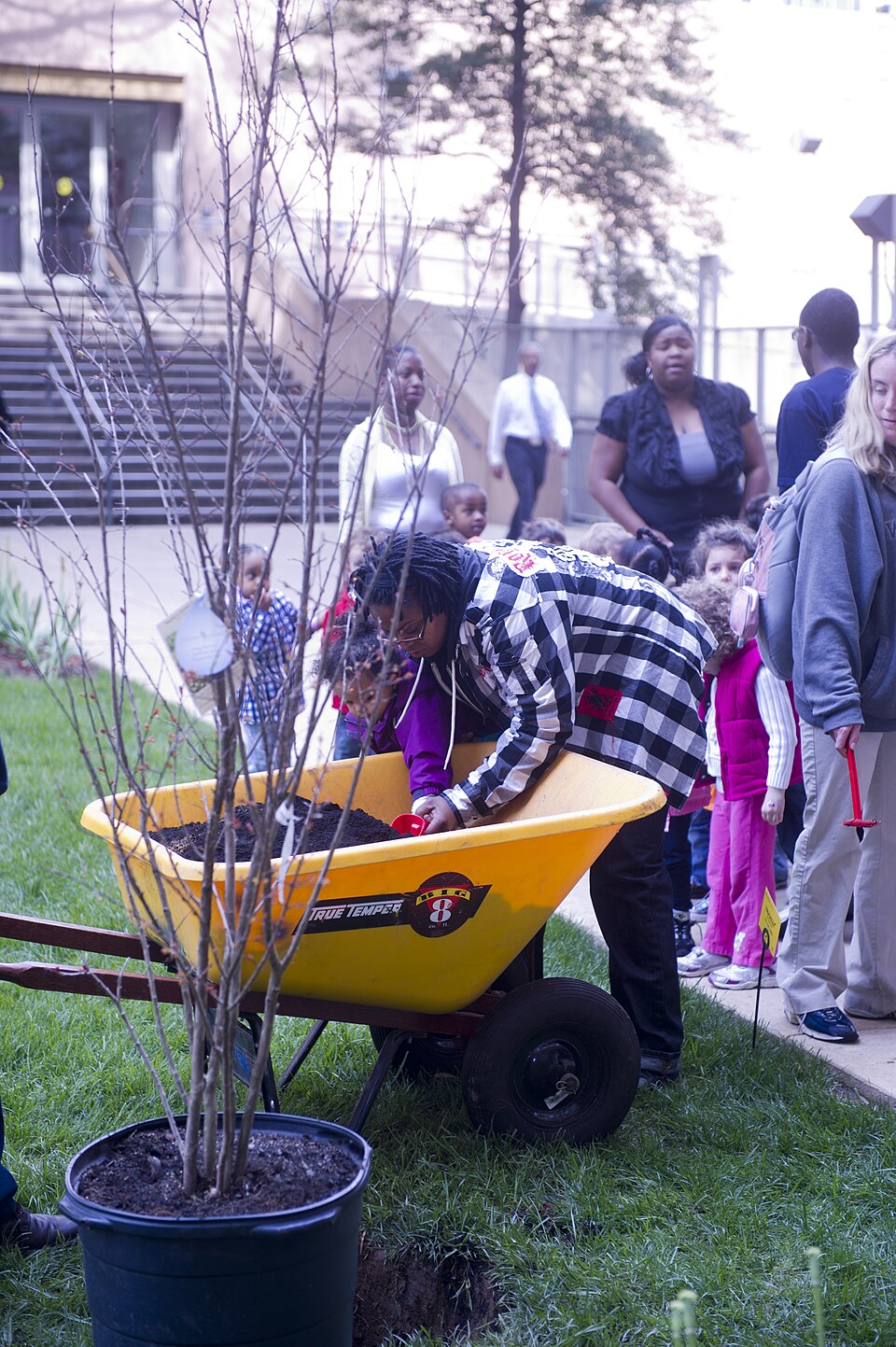
There are countless ways people celebrate Earth Day, from small acts to large events. Schools often organize recycling drives, nature walks, and science projects focused on the environment. Communities hold park cleanups, tree-planting events, and festivals promoting renewable energy. Many people use the day to make personal pledges, such as using less plastic, conserving water, or biking instead of driving. Cities around the world sometimes dim their lights or hold marches to draw attention to climate change and pollution.
Environmental Challenges Today
Earth Day is more important than ever because our planet faces serious environmental challenges. Climate change, caused by burning fossil fuels like coal, oil, and gas, is warming the planet and causing more extreme weather. Plastic pollution fills our oceans, harming sea turtles, fish, and seabirds that mistake it for food. Deforestation destroys habitats and reduces the forests that absorb carbon dioxide from the air. Earth Day helps focus attention on these problems and encourages people, businesses, and governments to take action.
What Kids Can Do
Young people play a powerful role in protecting the environment, and there are many things kids can do every day. Reducing waste by using reusable water bottles, lunch containers, and bags makes a real difference over time. Turning off lights, taking shorter showers, and unplugging devices when they are not in use helps save energy. Planting a garden, even a small one, provides food for pollinators like bees and butterflies. Kids can also speak up by writing letters to leaders, joining environmental clubs, or teaching friends and family about taking care of the Earth.
The Future of Earth Day
Earth Day continues to grow and evolve as new generations take up the cause of protecting the planet. Young climate activists around the world are leading marches, starting organizations, and demanding stronger environmental laws. Technology is also playing a bigger role, with solar panels, wind turbines, and electric vehicles becoming more common every year. Scientists are developing new ways to clean up pollution, restore ecosystems, and fight climate change. Every Earth Day is a reminder that when millions of people work together, they have the power to create real and lasting change.
 OtterKnow Kids Encyclopedia