The Story Behind Diwali
One of the most popular stories behind Diwali comes from the ancient Hindu epic called the Ramayana. It tells the tale of Prince Rama, who was sent away from his kingdom for 14 years. After defeating the demon king Ravana, Rama returned home with his wife Sita and brother Lakshmana. The people of his kingdom lit rows of oil lamps to guide Rama home and celebrate his return. For Sikhs, Diwali also marks the day their sixth Guru, Hargobind, was freed from prison along with 52 other princes.
How People Prepare
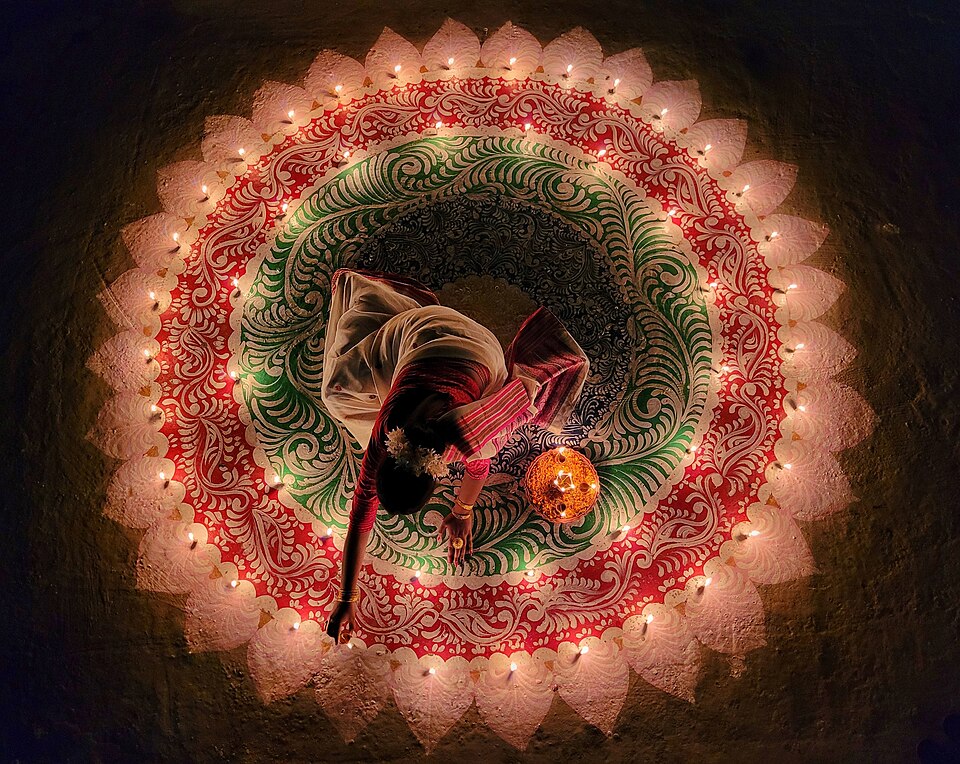
Weeks before Diwali, families begin cleaning and decorating their homes from top to bottom. They believe that the goddess Lakshmi, who represents wealth and good fortune, visits clean and bright homes. People buy new clothes, paint their walls, and hang colorful decorations. Shops and markets are packed with people buying gifts, sweets, and supplies for the celebration. Many families also create beautiful floor designs called rangoli using colored powders, flower petals, and rice.
Lights and Fireworks
The most recognizable part of Diwali is the display of lights that fills cities and towns. Families place rows of diyas and candles on windowsills, rooftops, and along pathways around their homes. Modern celebrations also include electric lights and lanterns strung across streets and buildings. Fireworks light up the night sky as people gather to watch colorful explosions of light. In recent years, many communities have started using fewer fireworks to reduce air pollution and protect animals.
Food and Sweets
Delicious food is a huge part of Diwali celebrations. Families spend days preparing special sweets and snacks called mithai to share with relatives, friends, and neighbors. Popular treats include ladoo, which are round balls made from flour, sugar, and nuts, and barfi, a dense milk-based sweet. Savory snacks like samosas, namak pare, and chakli are also prepared in large batches. Sharing boxes of sweets with others is one of the most important traditions, as it spreads joy and strengthens bonds between people.
Puja and Prayers
On the main night of Diwali, families gather for a special prayer ceremony called Lakshmi Puja. They pray to the goddess Lakshmi for health, happiness, and prosperity in the coming year. The puja involves lighting diyas, burning incense, offering flowers and sweets, and chanting prayers together. In some regions, people also worship Ganesh, the elephant-headed god of wisdom and new beginnings. Businesses often start new account books on Diwali because it is considered an auspicious time for fresh starts.
Diwali Around the World
While Diwali originated in South Asia, it is now celebrated in countries all around the globe. Large Diwali festivals take place in the United Kingdom, the United States, Canada, Australia, and many other nations. In 2022, the White House hosted its largest-ever Diwali celebration, showing how widely the festival is recognized. Cities like London, New York, and Sydney hold public events with music, dance performances, and fireworks. Diwali brings communities together and helps people of all backgrounds learn about and appreciate this ancient tradition.
Why Diwali Matters
Diwali carries a powerful message that is meaningful to people everywhere: light will always overcome darkness. The festival reminds people to be kind, generous, and hopeful, even during difficult times. It is a time for families to come together, forgive past disagreements, and start fresh. Diwali also encourages sharing with those who have less, as many people donate food and clothing to their communities. Its message of hope and goodness speaks to people everywhere.
 OtterKnow Kids Encyclopedia