The Battle of Puebla
In 1861, Mexico owed money to several European countries, including France, Spain, and England. French Emperor Napoleon III sent a large, well-equipped army to invade Mexico, hoping to establish a French-controlled empire there. On May 5, 1862, about 4,000 Mexican soldiers led by General Ignacio Zaragoza faced a French force of around 6,000 experienced troops near the city of Puebla. Against all odds, the Mexican army defeated the French in a battle that lasted from dawn until early evening, boosting Mexican pride and resistance.
Why the Battle Mattered
Although the French eventually regrouped and occupied parts of Mexico for several years afterward, the victory at Puebla was an important symbol of resistance. It showed that a smaller, less-equipped army could stand up to one of the most powerful military forces in the world. The battle inspired Mexican people to keep fighting for their independence and sovereignty. France eventually withdrew its forces from Mexico in 1867, and the Mexican republic was fully restored under President Benito Juarez.
How Cinco de Mayo Is Celebrated in Mexico
In Mexico, Cinco de Mayo is primarily celebrated in the state of Puebla, where the famous battle took place. The city of Puebla hosts military parades, reenactments of the battle, and speeches by government leaders. Schools hold special programs where students learn about General Zaragoza and the soldiers who fought at Puebla. While it is a recognized holiday throughout Mexico, it is not as widely celebrated in other parts of the country as many people assume.
Cinco de Mayo in the United States
Cinco de Mayo became widely popular in the United States during the 1960s, when Mexican American activists embraced it as a symbol of cultural pride and resistance against injustice. Today, large festivals and parades take place in cities like Los Angeles, Chicago, Houston, and San Antonio, featuring traditional music, dancing, and food. The holiday has grown into one of the biggest celebrations of Mexican American culture in the United States. It gives people of all backgrounds an opportunity to learn about and appreciate Mexican heritage.
Traditional Food and Drinks
Mexican food is a central part of Cinco de Mayo celebrations in both Mexico and the United States. Popular dishes include mole poblano, a rich sauce made with chili peppers, chocolate, and spices that originated in the Puebla region. Tacos, tamales, enchiladas, and elote (grilled corn on the cob) are also favorites at Cinco de Mayo festivals. Refreshing drinks like horchata, a sweet rice-based beverage flavored with cinnamon, and agua fresca made from fresh fruits are commonly served.
Music and Dance
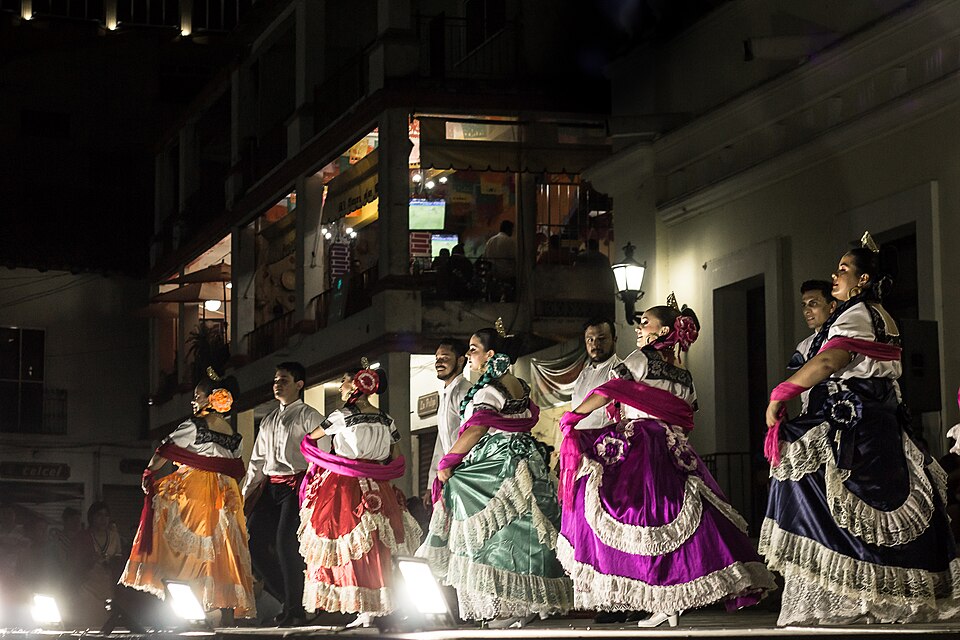
Traditional Mexican music is a highlight of Cinco de Mayo celebrations, with mariachi bands performing lively songs on guitars, violins, and trumpets. Folklorico dance groups perform traditional dances wearing colorful, flowing skirts and suits that represent different regions of Mexico. The jarabe tapatio, often called the Mexican Hat Dance, is one of the most recognizable folk dances performed during the holiday. These performances help keep Mexican cultural traditions alive and introduce them to new audiences.
Why Cinco de Mayo Matters Today
Cinco de Mayo is more than just a party; it is a reminder that people can stand up for themselves even when the odds seem impossible. The holiday celebrates Mexican culture, history, and the contributions of Mexican Americans to the United States. It encourages people to learn about the diverse cultures that make up their communities. By understanding the real history behind Cinco de Mayo, people can appreciate the courage and determination that the holiday represents.
 OtterKnow Kids Encyclopedia