How Did It Work?
The Underground Railroad used code words to keep its activities secret from slave catchers and authorities. Safe houses where escaped people could hide were called “stations” or “depots,” and the people who hid them were called “stationmasters.” The brave guides who led groups of freedom seekers along the routes were called “conductors.” Travelers moved mostly at night, often following the North Star to find their way northward. They might walk through forests, wade through streams to hide their scent from tracking dogs, and travel anywhere from 10 to 20 miles between stations.
Who Was Harriet Tubman?
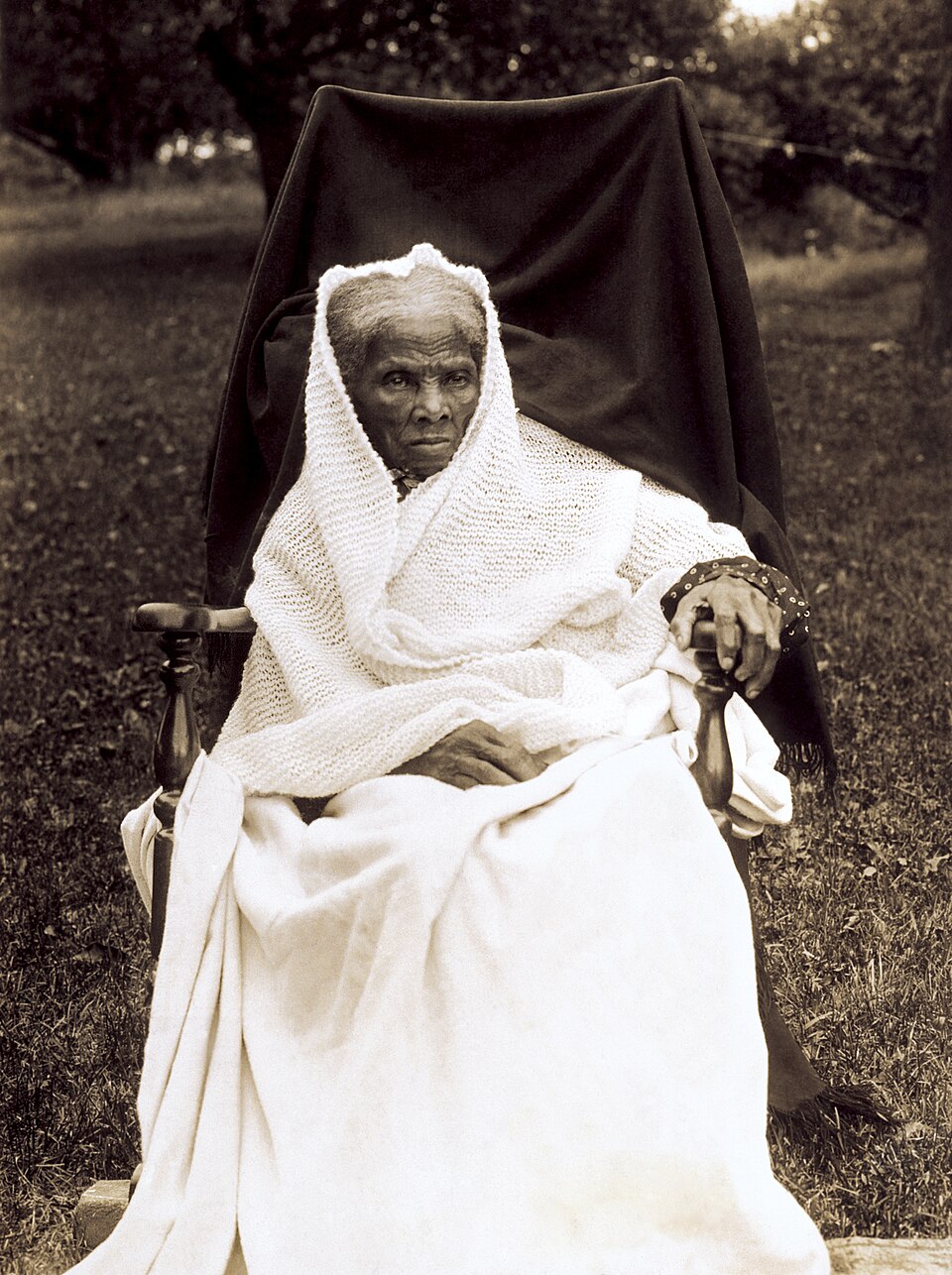
Harriet Tubman was born into slavery around 1822 in Dorchester County, Maryland, with the name Araminta Ross. As a young girl, she suffered a terrible head injury when an overseer threw a heavy metal weight that struck her, causing health problems for the rest of her life. In 1849, she escaped slavery by traveling nearly 90 miles on foot to reach Pennsylvania, a free state. After gaining her own freedom, she made the extraordinary decision to go back and help others escape. She later adopted the name Harriet, likely in honor of her mother.
Tubman’s Rescue Missions
Over about 11 years, Harriet Tubman made approximately 13 trips back into the South to guide enslaved people to freedom. She personally led around 70 people out of slavery, including her own parents and several siblings. Tubman was so skilled at avoiding capture that she famously said she “never lost a single passenger” on her journeys. Slaveholders offered large rewards for her capture, but she was never caught. She used clever tricks like traveling on Saturdays, since newspapers that printed runaway notices would not be published until Monday.
Dangers Along the Way
Escaping on the Underground Railroad was extremely dangerous for everyone involved. The Fugitive Slave Act of 1850 made it a crime to help escaped enslaved people, even in Northern states where slavery was illegal. Freedom seekers faced the threat of capture, punishment, and being sold further south. People who helped them could be fined or sent to prison. Despite these terrible risks, thousands of ordinary people chose to do the right thing and open their doors to strangers in need.
Other Important People
Many other courageous people played important roles in the Underground Railroad. Levi and Catherine Coffin, a Quaker couple in Indiana, sheltered more than 2,000 freedom seekers in their home over 20 years. Frederick Douglass, who had escaped slavery himself, hid runaways in his home in Rochester, New York. William Still, a free Black man in Philadelphia, kept careful records of the people he helped and later published a book documenting their stories. These records are some of the most important historical sources we have about the Underground Railroad today.
Harriet Tubman’s Later Life
During the Civil War, Harriet Tubman served the Union Army as a nurse, cook, and spy. In 1863, she became the first woman to lead an armed military raid in American history when she guided the Combahee River Raid, which freed more than 700 enslaved people in South Carolina. After the war, she settled in Auburn, New York, where she opened a home for elderly African Americans who needed care. She fought for women’s right to vote alongside leaders like Susan B. Anthony. Tubman lived to be about 91 years old, passing away in 1913.
Why It Matters Today
The story of the Underground Railroad teaches us about the power of ordinary people standing up for what is right, even when it is dangerous. It shows that change often happens when individuals decide they cannot stay silent in the face of injustice. Many of the homes and routes used by the Underground Railroad are now preserved as historic sites and part of the National Park Service’s Network to Freedom program. Harriet Tubman’s image was selected to appear on the United States twenty-dollar bill, honoring her legacy. Her bravery continues to inspire people around the world who fight for freedom and equality.
 OtterKnow Kids Encyclopedia