Primary Sources vs. Secondary Sources
A secondary source is created by someone who studied an event but was not there when it happened. Textbooks, encyclopedias, and documentaries are all secondary sources because their authors researched the topic after it occurred. If your grandmother writes about her childhood in a diary, that diary is a primary source, but if you write a report about her childhood, your report is a secondary source. Both types of sources are useful, but they serve different purposes. Primary sources provide raw evidence, while secondary sources help us understand and interpret that evidence.
Types of Written Primary Sources
Written primary sources include letters, journals, government records, and newspaper articles from the time of an event. The Declaration of Independence is one of the most famous written primary sources in American history. Ships’ logs, census records, and court documents all tell us important details about daily life in the past. Even old advertisements and recipes can be primary sources because they show what people bought and ate. Historians often spend years reading through boxes of old letters and documents to piece together what really happened.
Objects and Artifacts as Evidence
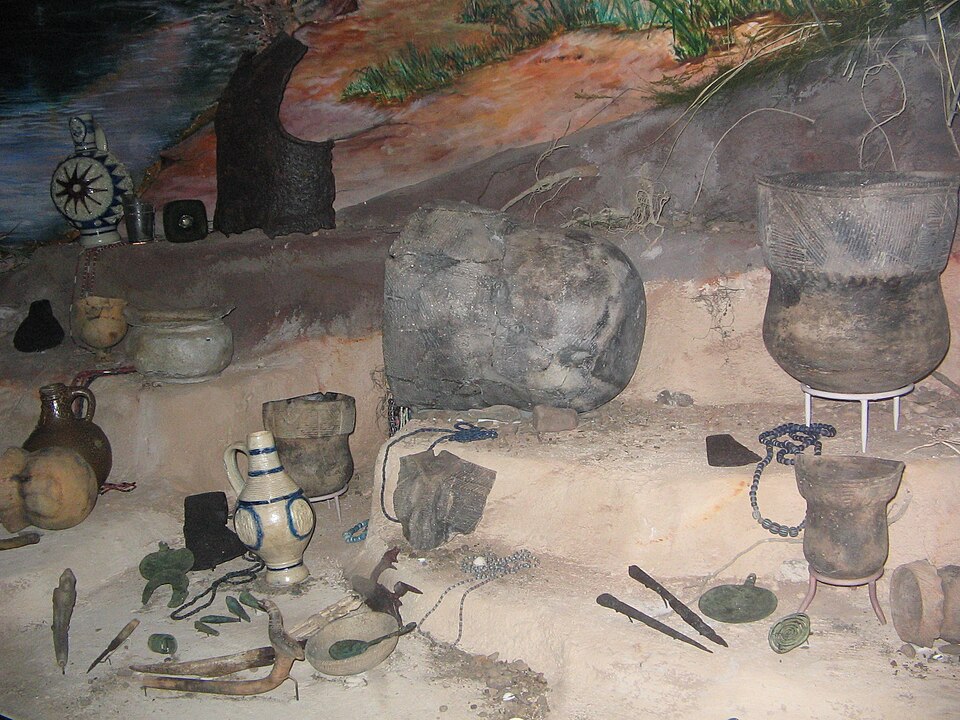
Not all primary sources are written down. Physical objects like tools, clothing, coins, and pottery are also primary sources that historians and archaeologists study. A pair of shoes from the 1800s can tell us about the materials people used, the technology they had, and even how tall they were. Artifacts found at archaeological sites help us learn about civilizations that existed thousands of years ago, long before writing was invented. Museums collect and preserve these objects so that people today can see and learn from them.
Photographs, Audio, and Video
Since the invention of the camera in the 1800s, photographs have become some of our most powerful primary sources. A single photograph from the Civil War or the Great Depression can show us details that words alone cannot capture. Audio recordings, such as speeches by Martin Luther King Jr. or President Franklin Roosevelt’s fireside chats, let us hear the actual voices of historical figures. Film and video footage from the 1900s onward give us moving images of important events. These visual and audio sources help history feel real and immediate.
How Historians Analyze Sources
Historians do not just read a source and accept everything it says. They ask important questions: Who created this source? When was it made? Why was it created? Every source has a point of view, and the creator’s perspective can shape what information is included or left out. A diary entry from a factory owner and a diary entry from a factory worker might describe the same workplace very differently. By comparing multiple sources about the same event, historians can build a more complete and accurate picture of what happened.
Evaluating Reliability and Bias
Every primary source has some kind of bias because it reflects one person’s experience or opinion. A government report might present facts in a way that makes leaders look good, while a protest poster might exaggerate problems to convince people to take action. Historians look for bias by checking whether a source matches or contradicts other evidence from the same time period. A source does not have to be perfectly neutral to be useful, but historians need to understand its limitations. Learning to spot bias is an important skill that helps you think critically about information in your own life too.
You Can Be a Historian
You do not need to be a professional historian to work with primary sources. Your family probably has primary sources at home, such as old photographs, letters, birth certificates, or even recipes passed down through generations. Interviewing grandparents or older relatives about their memories creates new primary sources called oral histories. Many libraries and websites, including the Library of Congress and the National Archives, have millions of primary sources available for free online. By learning to read and analyze primary sources, you can uncover stories from the past and become a history detective yourself.
 OtterKnow Kids Encyclopedia