Different Nations and Cultures
There were hundreds of distinct Indigenous nations across North America, each with its own language, traditions, and government. The Haudenosaunee (also called the Iroquois) lived in the woodlands of the Northeast and formed a powerful alliance of six nations. The Lakota and Cheyenne followed great herds of buffalo across the Great Plains. In the Pacific Northwest, nations like the Tlingit and Haida built large cedar houses and carved magnificent totem poles. The Navajo and Hopi made their homes in the deserts of the Southwest, where they became skilled farmers and artists.
How They Lived
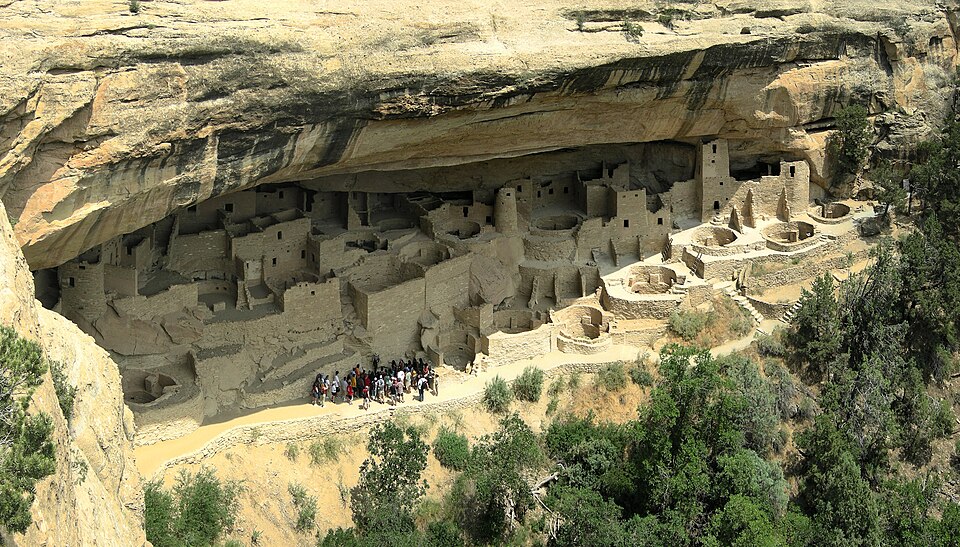
Indigenous peoples were incredibly resourceful and adapted their way of life to the land around them. Nations near rivers and coasts became expert fishers, while Plains nations developed skilled methods for hunting buffalo. Many groups were successful farmers who grew crops like corn, beans, and squash, which they called the “Three Sisters” because the plants helped each other grow. They built many types of homes, including longhouses, tipis, pueblos, and wigwams, depending on the climate and available materials. They also created tools, clothing, and art from natural resources like wood, stone, animal hides, and clay.
Government and Community
Indigenous nations had well-organized governments long before Europeans arrived. The Haudenosaunee Confederacy, founded around the 12th century, united six nations under a shared set of laws called the Great Law of Peace. This democratic system influenced the founders of the United States when they created the U.S. Constitution. Many nations made important decisions through councils where leaders discussed issues and sought agreement from the group. Elders were deeply respected for their wisdom, and community members worked together to share resources and care for one another.
Art, Stories, and Traditions
Indigenous peoples created rich artistic and cultural traditions that are still celebrated today. They made beautiful pottery, intricate beadwork, woven baskets, and colorful blankets with designs that held special meaning. Storytelling was an important way to pass down history, lessons, and values from one generation to the next. Music and dance played a central role in ceremonies and celebrations, with drums and flutes being among the most important instruments. Many nations held gatherings called powwows, where people came together to dance, sing, share food, and strengthen their connections.
The Impact of European Colonization
When European settlers began arriving in the 1400s and 1500s, life changed dramatically for Indigenous peoples. Europeans brought diseases like smallpox that Indigenous people had never encountered, and these illnesses killed millions of people. Over time, settlers took more and more Indigenous land, often through broken treaties and forced removal. In the 1830s, the U.S. government forced thousands of Cherokee and other nations to walk hundreds of miles to new territory in what became known as the Trail of Tears. Many Indigenous children were also sent to boarding schools where they were forbidden from speaking their languages or practicing their traditions.
Indigenous Peoples Today
Today, there are 574 federally recognized tribes in the United States and over 600 First Nations in Canada. Indigenous peoples continue to practice and share their rich cultural traditions while also contributing to modern society as scientists, artists, athletes, and leaders. Many communities are working hard to revive and preserve their languages, some of which have very few speakers left. Indigenous peoples have also fought for their rights and sovereignty, winning important legal battles to protect their lands and resources. Their cultures, histories, and contributions are an essential part of North America’s story.
Honoring Indigenous Heritage
There are many ways to learn about and honor Indigenous heritage. Native American Heritage Month is celebrated every November in the United States, with events that highlight Indigenous history and culture. Museums and cultural centers across the country share the stories, art, and achievements of Indigenous peoples. It is important to listen to Indigenous voices and learn from their perspectives on history, the environment, and community. Respecting Indigenous cultures means understanding that these are living, vibrant communities with deep roots and bright futures, not just people from the past.
 OtterKnow Kids Encyclopedia