The President’s Role
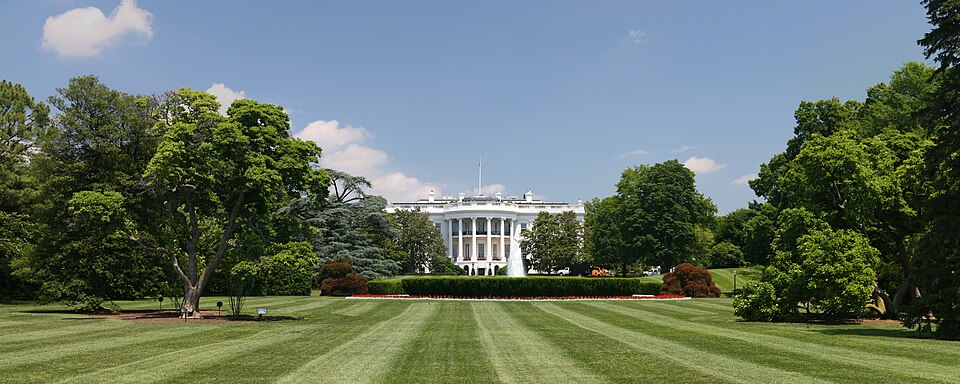
The President has many important responsibilities that affect the entire country and the world. As Commander in Chief, the President leads the armed forces and makes decisions about national security. The President also signs bills into law or vetoes them, and delivers the State of the Union address to Congress each year. Another key role is representing the United States in meetings with leaders of other countries. The President lives and works in the White House in Washington, D.C.
How the President Is Elected
Americans choose their President through a process that happens every four years. Candidates first compete in primary elections and caucuses to win their political party’s nomination. Then the nominees from each party campaign across the country, debating issues and sharing their plans with voters. On Election Day, citizens cast their votes, but the President is officially chosen by the Electoral College, a group of 538 electors from all 50 states and Washington, D.C. A candidate needs at least 270 electoral votes to win the presidency.
The Vice President and the Cabinet
The Vice President is the second-highest official in the executive branch and steps in if the President can no longer serve. The Vice President also serves as the President of the Senate and can cast a tie-breaking vote. The Cabinet is a group of advisors who lead major government departments like the Department of Education, the Department of Defense, and the Department of State. Each Cabinet member is chosen by the President and must be approved by the Senate. These leaders help the President make informed decisions on important issues.
Executive Departments and Agencies
The executive branch includes 15 executive departments, each focused on a different area of government. For example, the Department of the Treasury manages the country’s money, while the Department of the Interior protects natural resources and national parks. There are also many independent agencies like NASA, which explores space, and the Environmental Protection Agency, which works to keep air and water clean. These departments and agencies employ millions of federal workers across the country. Together, they carry out the day-to-day work of running the government.
Presidential Powers and Limits
The Constitution gives the President several specific powers, including the power to sign treaties with other nations, appoint federal judges, and grant pardons for federal crimes. However, the President cannot make laws alone because that power belongs to Congress. The system of checks and balances means that Congress and the courts can limit what the President does. For example, the Senate must approve treaties and major appointments. If a President abuses power, Congress can remove them from office through a process called impeachment.
Famous Presidents in History
Throughout American history, many Presidents have shaped the country in important ways. George Washington, the first President, set traditions that leaders still follow today, like serving no more than two terms. Abraham Lincoln led the country through the Civil War and worked to end slavery. Franklin D. Roosevelt guided the nation through the Great Depression and World War II and is the only President to serve more than two terms. These and many other Presidents have left lasting marks on American government and society.
Why the Executive Branch Matters
The executive branch affects the daily lives of every American, from the safety of the food we eat to the roads we drive on. When natural disasters strike, executive agencies like FEMA coordinate emergency responses to help communities recover. The President’s decisions about foreign policy shape how the United States works with other countries around the world. The executive branch also enforces civil rights laws that protect people from discrimination. Understanding how this branch works helps citizens hold their leaders accountable and participate in democracy.
 OtterKnow Kids Encyclopedia