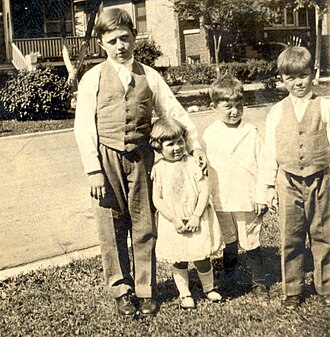
Birth Order Basics
Birth order refers to the position a child holds in their family, such as being the oldest, middle, or youngest. A psychologist named Alfred Adler was one of the first scientists to study how birth order might shape personality in the early 1900s. He believed that each position in the family came with its own set of experiences and challenges. Firstborn children, for example, get their parents’ undivided attention before any other siblings arrive. The youngest child enters a family where older siblings are already established.
Being the Oldest Child
Firstborn children are often described as responsible and organized because they may help care for younger siblings. Many oldest children develop strong leadership skills since they are the first to try new things in the family. Research has shown that a large number of world leaders, astronauts, and presidents have been firstborn children. Oldest children sometimes feel extra pressure to set a good example for their younger brothers and sisters. They are also the only ones who experience a time when they had their parents all to themselves.
Being a Middle Child
Middle children are born between the oldest and youngest siblings in their family. They often become skilled at negotiating and compromise because they learn to get along with both older and younger siblings. Some researchers call middle children natural peacemakers because they frequently help settle disagreements. Middle children may also develop strong friendships outside the family since they look for their own special place in the world. August 12th is even celebrated as Middle Child Day to recognize these often-overlooked siblings.
Being the Youngest Child
The youngest child in a family sometimes gets called the “baby” even when they are fully grown. Youngest children often benefit from having more relaxed parents who have already gained experience raising older kids. They may also learn new skills quickly by watching and copying what their older siblings do. Many youngest children are known for being funny and outgoing because they find creative ways to get attention. Famous youngest children include comedian Eddie Murphy and scientist Charles Darwin.
Twins and Multiples
Twins are two siblings born at the same time, and they occur in about 1 out of every 30 births in the United States. Identical twins come from the same fertilized egg and share the same DNA, which is why they look so much alike. Fraternal twins come from two different eggs and may look no more alike than any other siblings. Triplets, quadruplets, and other multiples are rarer but also occur naturally. Even identical twins develop their own unique personalities and interests as they grow up.
Only Children
An only child is someone who grows up without any brothers or sisters. About 20 percent of families in the United States have just one child. Only children often develop strong imaginations and enjoy spending time with adults, which can make them mature for their age. Research shows that only children tend to do well in school and are just as socially skilled as children with siblings. Being an only child does not mean being lonely, as many form close bonds with cousins, neighbors, and friends.
Sibling Relationships Over Time
Sibling relationships are often the longest-lasting relationships in a person’s life, sometimes spanning 60 or 70 years. It is completely normal for siblings to argue and disagree, especially when they are young and sharing space and belongings. As siblings grow older, many find that their relationships become closer and more supportive. Brothers and sisters can teach each other important life skills like sharing, cooperation, and how to resolve conflicts. No matter what birth order position you hold, every sibling brings something special to their family.
 OtterKnow Kids Encyclopedia