Types of Communities
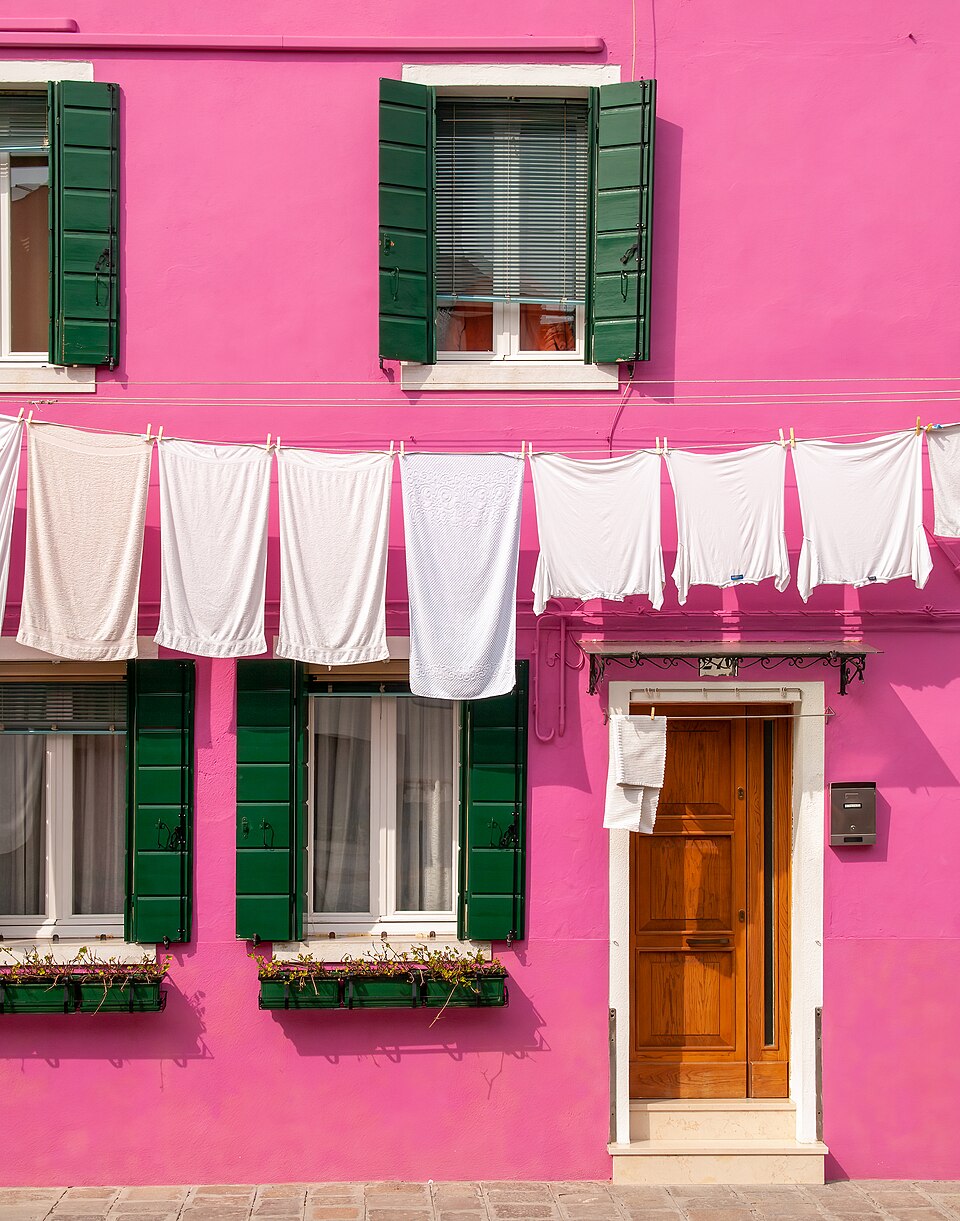
Communities come in three main types: urban, suburban, and rural. Urban communities are in cities where many people live and work close together, with buses, subways, and lots of stores nearby. Suburban communities are found just outside cities and usually have more space, with houses, schools, and shopping centers spread out along wider roads. Rural communities are in the countryside, where farms, forests, and open land stretch for miles between homes. Each type of community has its own advantages, and people choose where to live based on what matters most to their families.
How Neighborhoods Are Organized
Most neighborhoods are part of a larger city or town that has a local government to help keep things running smoothly. City councils and mayors make decisions about roads, parks, schools, and safety for the whole area. Many neighborhoods also have their own groups, sometimes called neighborhood associations, where residents meet to talk about local issues. Zoning laws decide what can be built in different parts of a community, separating homes from factories and businesses. These rules help make sure neighborhoods are safe and pleasant places to live.
Every community has places that bring people together and provide services they need. Schools are one of the most important buildings in any neighborhood because they give children a place to learn and grow. Libraries, community centers, and places of worship offer spaces for people to gather, share ideas, and help each other. Grocery stores, hospitals, fire stations, and post offices all serve the daily needs of the people who live nearby. Parks and playgrounds give families a place to exercise, relax, and enjoy the outdoors together.
Being a Good Neighbor
Being a good neighbor means treating the people around you with kindness and respect. Simple actions like waving hello, keeping shared spaces clean, and being mindful of noise can make a big difference. Neighbors often help each other by watching pets, sharing tools, or checking on someone who is sick. In many neighborhoods, people organize block parties or potluck dinners so everyone can get to know one another. When neighbors work together and care about each other, the whole community becomes a stronger and friendlier place.
How Communities Change Over Time
Neighborhoods and communities are always changing as new people move in and others move away. New buildings, roads, and businesses can transform the look and feel of a neighborhood over just a few years. Sometimes older buildings are torn down and replaced, while other times they are preserved because of their history. Population growth can bring more diversity, new restaurants, and different cultural traditions to a community. Understanding how neighborhoods change helps people appreciate both where they came from and where they are going.
Communities Around the World
Communities look different depending on where in the world they are located. In some countries, people live in villages where everyone knows each other and shares resources like wells and markets. In large cities like Tokyo, New York, and Lagos, millions of people live in dense neighborhoods stacked with high-rise buildings. Floating communities exist in places like Cambodia and Peru, where families build homes on boats or stilts over water. No matter what they look like, all communities share the same basic goal of giving people a place to live, work, and belong.
Young people can make a real difference in their neighborhoods by getting involved. Volunteering at a local food bank, picking up litter in a park, or helping an elderly neighbor carry groceries are great ways to start. Joining a community garden or a youth group lets you meet new people while making your neighborhood better. Writing a letter to a local leader about something you want to improve shows that your voice matters, no matter your age. Every small act of kindness and service adds up to create a community where everyone feels welcome and cared for.
 OtterKnow Kids Encyclopedia