Festivals of Light
Many cultures celebrate festivals that use light as a symbol of hope and goodness. Diwali is a five-day festival celebrated by Hindus, Sikhs, and Jains, mostly in India and other parts of South Asia. During Diwali, people light oil lamps called diyas and set off fireworks to celebrate the victory of light over darkness. Hanukkah is a Jewish festival of lights that lasts eight nights, during which families light candles on a special holder called a menorah. The Lantern Festival in China marks the end of the Lunar New Year celebrations, and people release beautiful paper lanterns into the sky.
New Year Celebrations Around the World
People all over the globe celebrate the start of a new year, but they do it at different times and in different ways. In many Western countries, January 1st is New Year’s Day, and people celebrate with fireworks, parties, and countdowns at midnight. Chinese New Year, also called the Lunar New Year, falls between late January and mid-February and features dragon dances, red envelopes filled with money, and family feasts. Nowruz is the Persian New Year celebrated on the first day of spring, and families set a special table called a Haft-sin with seven symbolic items. In Ethiopia, the new year called Enkutatash is celebrated in September with singing, dancing, and exchanging bundles of flowers.
Harvest and Thanksgiving Festivals
Throughout history, people have held festivals to give thanks for a good harvest. In the United States, Thanksgiving is celebrated on the fourth Thursday in November with a big meal that often includes turkey, stuffing, and pumpkin pie. The Mid-Autumn Festival, also called the Moon Festival, is celebrated in China and other East Asian countries with mooncakes and lanterns under the full moon. In Ghana, the Homowo festival is a harvest celebration where the Ga people remember a time of famine and give thanks for food. Pongal is a four-day harvest festival in southern India where families cook a special rice dish in new pots until it overflows, which is considered a sign of good luck.
Carnival and Street Festivals
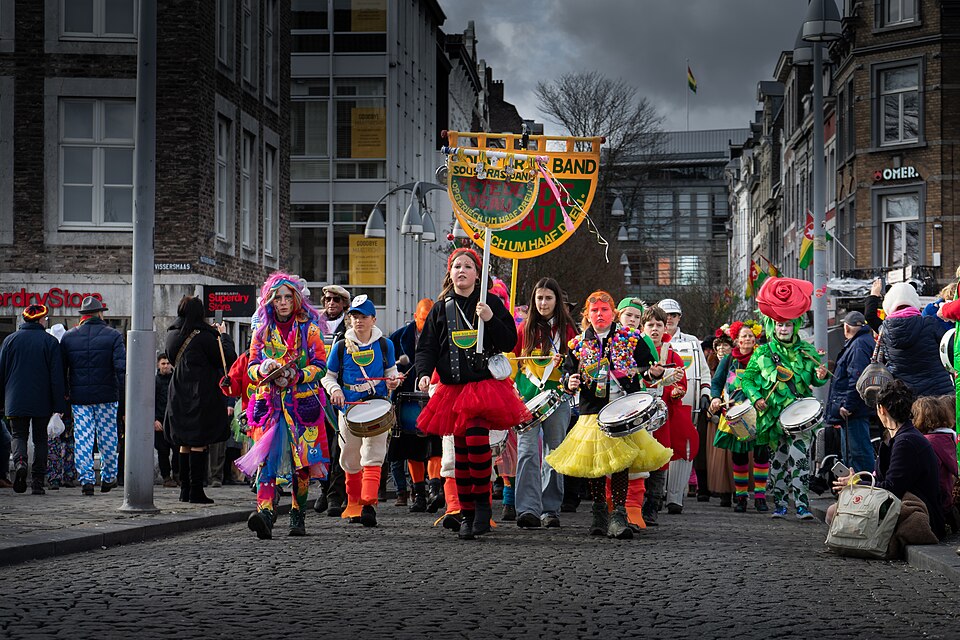
Some of the world’s most exciting festivals fill the streets with music, costumes, and parades. Carnival in Rio de Janeiro, Brazil, is famous for its enormous parades featuring elaborate floats and samba dancers in sparkling costumes. The Mardi Gras celebration in New Orleans, Louisiana, includes colorful parades where people on floats throw beads and trinkets to the crowds below. In Trinidad and Tobago, Carnival features calypso and soca music, and people wear brightly colored costumes and dance through the streets. The Notting Hill Carnival in London, England, is one of the largest street festivals in Europe and celebrates Caribbean culture with steel drum bands and Caribbean food.
Spring and Seasonal Festivals
Many festivals celebrate the changing of seasons, especially the arrival of spring. Holi is a Hindu festival celebrated mainly in India and Nepal where people throw brightly colored powders and water at each other to welcome spring. Cherry blossom festivals in Japan, called Hanami, bring families and friends together to sit under blooming cherry trees and enjoy picnics. Songkran is the Thai New Year celebrated in April, and it has become famous for its massive water fights in the streets. In Sweden, Midsummer is celebrated around the longest day of the year with dancing around a maypole decorated with flowers and greenery.
How Festivals Bring People Together
Festivals play an important role in building strong communities and helping people feel connected to each other. When people celebrate together, they create shared memories and strengthen the bonds between family members, neighbors, and friends. Many festivals include acts of kindness, such as giving gifts, sharing food with those who have less, or welcoming strangers to join in the fun. Festivals also help people who have moved to new countries stay connected to their heritage and share their culture with others. By learning about festivals from different cultures, we can better understand and appreciate the many ways people around the world live and celebrate.
Why Festivals Matter
Festivals are more than just fun parties. They help preserve languages, art forms, music, and traditions that might otherwise be forgotten over time. Many traditional dances, songs, and recipes are kept alive because they are performed and prepared during annual festivals. Festivals can also boost local economies because visitors travel from far away to attend famous celebrations, supporting local businesses and restaurants. Some festivals raise awareness about important causes, like environmental protection or remembering historical events. Big or small, festivals remind us of what we value most and give us reasons to come together.
 OtterKnow Kids Encyclopedia