Textile Arts Around the World
Textile arts involve making fabric, clothing, and decorations from thread and yarn. In Guatemala, Mayan women weave colorful cloth on backstrap looms using patterns that have been passed down for centuries. In West Africa, the Ashanti people of Ghana create kente cloth by weaving strips of silk and cotton into bold, colorful geometric designs. Japanese artisans practice shibori, a form of tie-dyeing that creates intricate patterns on fabric using folding, twisting, and binding techniques. Each textile tradition uses different methods, but they all turn simple threads into works of art.
Pottery and Ceramics
People have been shaping clay into useful and beautiful objects for over 20,000 years. In the American Southwest, Pueblo potters like those from the Acoma Pueblo create thin-walled pottery decorated with geometric patterns using natural pigments. Chinese porcelain, sometimes called “china,” has been admired around the world for its delicate beauty since the Tang Dynasty over 1,000 years ago. In Mexico, artisans in the city of Dolores Hidalgo paint talavera pottery with bright blue, yellow, and green designs inspired by both Spanish and Indigenous traditions. Pottery traditions often reflect the type of clay found in the local environment.
Woodworking and Carving
Many cultures have long traditions of shaping wood into art, tools, and decorations. The Maori people of New Zealand are famous for their detailed wood carvings that decorate meeting houses and canoes with spiraling patterns and figures. In Scandinavia, Viking-era traditions of wood carving continue today, with artists creating decorative objects featuring interlocking animal designs. West African wood carvers create masks and figures used in ceremonies, storytelling, and celebrations. These carved objects carry cultural and spiritual meaning for the communities that make them.
Working with metals like gold, silver, copper, and bronze is an ancient craft found in cultures worldwide. The Navajo people of the American Southwest are known for their silver and turquoise jewelry, a tradition they developed in the 1800s. In India, artisans in the city of Jaipur have crafted intricate gold and gemstone jewelry for centuries using techniques passed down through families. West African goldsmiths, particularly among the Akan people, created elaborate gold ornaments that showed a person’s status and role in society. Metalworking requires patience and great skill, as artisans must heat, shape, and polish their materials carefully.
Paper Arts and Origami
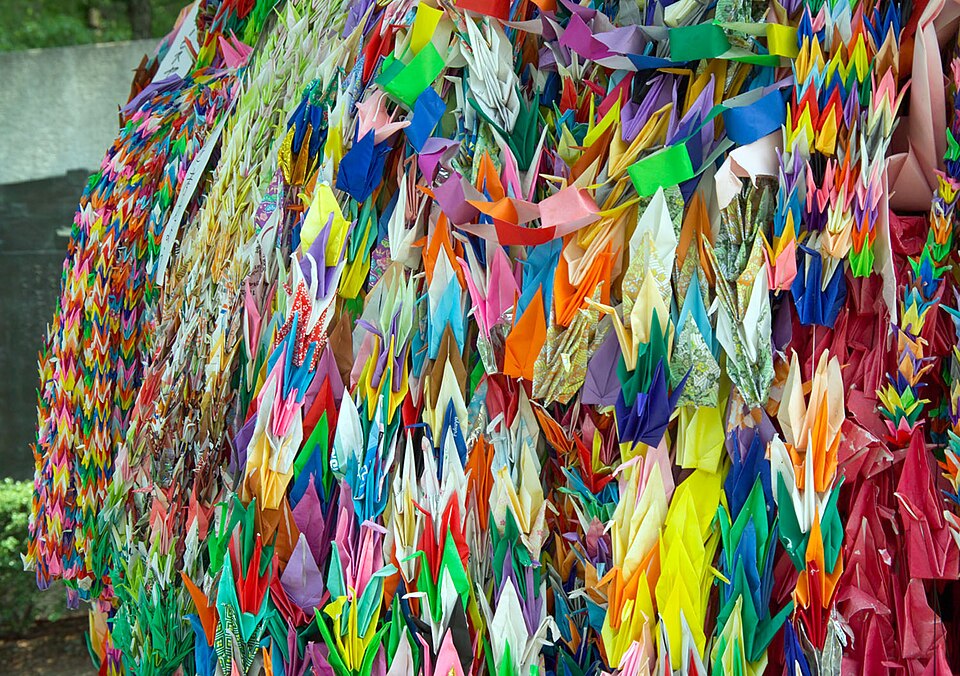
Paper has inspired incredible art forms in many cultures since it was first invented in China around 2,000 years ago. Japanese origami transforms flat sheets of paper into animals, flowers, and geometric shapes through careful folding without cutting or gluing. In Mexico, papel picado is the art of cutting elaborate designs into tissue paper to create decorative banners for holidays and celebrations. Chinese paper cutting, called jianzhi, uses scissors or knives to create detailed scenes and symbols from red paper, especially during the Lunar New Year. These paper arts show how much skilled hands can do with a simple material.
Beadwork and Embroidery
Beadwork and embroidery add color and pattern to clothing, accessories, and ceremonial objects. The Maasai people of Kenya and Tanzania are famous for their bright beaded collars and jewelry, with each color carrying a specific meaning. In Eastern Europe, Ukrainian embroidery called vyshyvanka features cross-stitch patterns in red and black thread on white fabric, with each region having its own signature designs. Native American beadwork traditions vary widely among nations, with the Lakota, Ojibwe, and many other peoples creating detailed floral and geometric patterns on clothing and moccasins. These crafts demand great patience, as a single piece can take weeks or months to complete.
Basket Weaving
Basket weaving is one of the oldest crafts in human history, dating back at least 10,000 years. The Gullah Geechee people of the southeastern United States weave sweetgrass baskets using techniques brought from West Africa centuries ago. In many parts of Asia, bamboo basket weaving produces everything from simple storage containers to incredibly detailed works of art. Aboriginal Australians weave baskets and bags from plant fibers, passing down techniques that have been used for thousands of years. Baskets were originally made for carrying and storing food, but today they are also valued as beautiful art objects.
Why Traditions Matter
Arts and crafts traditions connect people to their ancestors and help preserve cultural identity. When a grandmother teaches her grandchild to weave or carve, she is passing along more than just a skill. She is sharing stories, values, and a sense of belonging that stretches back through time. Many traditional crafts are now recognized by organizations like UNESCO as important parts of our shared human heritage. By learning about and respecting these traditions, we help make sure that these art forms survive and keep being practiced.
 OtterKnow Kids Encyclopedia