What Veterinarians Do Every Day
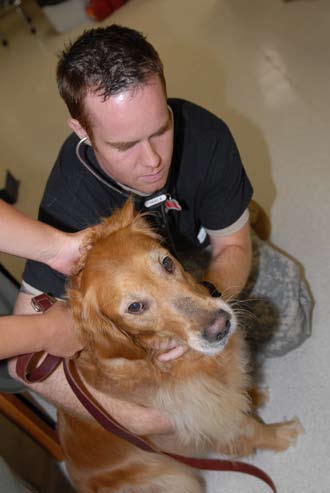
A typical day for a veterinarian is busy and full of variety. They might examine a puppy in the morning, clean a cat’s teeth before lunch, and help a parrot with a broken wing in the afternoon. Vets also talk with pet owners about how to keep their animals healthy by feeding them the right food and giving them enough exercise. They use special tools like stethoscopes, X-ray machines, and microscopes to figure out what is wrong with a sick animal. Many vets also prescribe medicines and explain to owners how to give them to their pets at home.
Types of Veterinarians
There are many different kinds of veterinarians who specialize in different animals. Small-animal vets work mostly with pets like dogs, cats, and rabbits. Large-animal vets care for farm animals such as cows, pigs, and sheep, and they often travel to farms to see their patients. Exotic-animal vets treat unusual pets like snakes, lizards, and parrots. Some veterinarians work at zoos, where they care for elephants, lions, and other wild animals. There are even marine veterinarians who specialize in sea creatures like dolphins, sea turtles, and whales.
How to Become a Veterinarian
Becoming a veterinarian takes a lot of hard work and dedication. After finishing high school, a person must complete four years of college studying science subjects like biology and chemistry. Then they attend a veterinary school for another four years, where they learn animal anatomy, diseases, and surgical techniques. In the United States, there are only about 33 accredited veterinary schools, so getting accepted is very competitive. After graduating, new vets must pass a licensing exam before they can start treating animals on their own.
Why Veterinarians Matter
Veterinarians play an important role in keeping both animals and people healthy. They prevent diseases from spreading between animals by giving vaccinations and checking for infections. Some diseases, called zoonotic diseases, can pass from animals to humans, and vets help stop that from happening. Veterinarians also inspect the food that comes from farms to make sure meat, milk, and eggs are safe for people to eat. Without veterinarians, many pets, farm animals, and wild animals would suffer from illnesses that could be prevented or treated.
Veterinarians in History
People have been caring for sick animals for thousands of years, but veterinary medicine became a real profession in the 1700s. The first veterinary school in the world opened in Lyon, France, in 1761. It was founded by Claude Bourgelat, who is often called the father of veterinary medicine. In the United States, the first veterinary college opened at Cornell University in 1894. Over the centuries, veterinarians have helped wipe out dangerous animal diseases and developed vaccines that save millions of animal lives every year.
Modern veterinarians use many of the same tools that human doctors use, plus some special ones designed just for animals. They use X-rays and ultrasound machines to look inside an animal’s body without surgery. Blood tests help vets find infections or diseases that are hard to see from the outside. Some veterinary clinics even have MRI machines and CT scanners for detailed images of bones and organs. New technology like laser surgery and 3D-printed implants is making it possible for vets to help animals in ways that were impossible just a few decades ago.
Fun Facts About Veterinarians
There are more than 120,000 active veterinarians working in the United States today. The word “veterinarian” comes from the Latin word “veterinae,” which means “working animals.” Veterinarians can specialize in more than 40 different areas, from dentistry to cardiology to animal behavior. Some vets work for the military, caring for service dogs and other animals that help soldiers. Others work in wildlife conservation, helping endangered species survive and grow their populations in the wild.
 OtterKnow Kids Encyclopedia