A History of Keeping Clean
In ancient cities like Rome, workers called stercorarii hauled waste out of town in carts, and engineers built sewer systems to carry wastewater away. During the Middle Ages in Europe, people often dumped garbage and sewage right into the streets, which led to outbreaks of deadly diseases like the plague. In the 1800s, cities began building modern sewer systems after scientists discovered that dirty water spread cholera and other illnesses. New York City organized one of the first public sanitation departments in the United States in 1895 under Colonel George Waring, who introduced street sweeping and waste separation. Today, waste management has grown into a science that combines engineering, biology, and environmental planning.
Where Does Our Trash Go?
Most household trash ends up in a landfill, which is a carefully designed site where waste is buried in layers and covered with soil each day. Modern landfills have thick liners at the bottom to prevent harmful liquids from leaking into the groundwater below. Some waste goes to incinerators, which burn trash at very high temperatures and can even generate electricity from the heat. Hazardous waste, like old batteries, paint, and electronics, must be taken to special facilities that handle dangerous materials safely. The average American produces about 4.4 pounds of trash per day, so managing all of it is a huge job.
Recycling and Composting
Recycling turns used materials like paper, glass, metal, and certain plastics into new products instead of sending them to a landfill. At a recycling facility called a Materials Recovery Facility, or MRF, workers and machines sort items by type so they can be cleaned and processed. Composting is another way to reduce waste by letting food scraps and yard waste break down naturally into rich soil that gardens and farms can use. Many communities now offer curbside composting bins alongside trash and recycling containers. By recycling and composting, families can cut the amount of waste they send to landfills by more than half.
The Workers Behind the Scenes
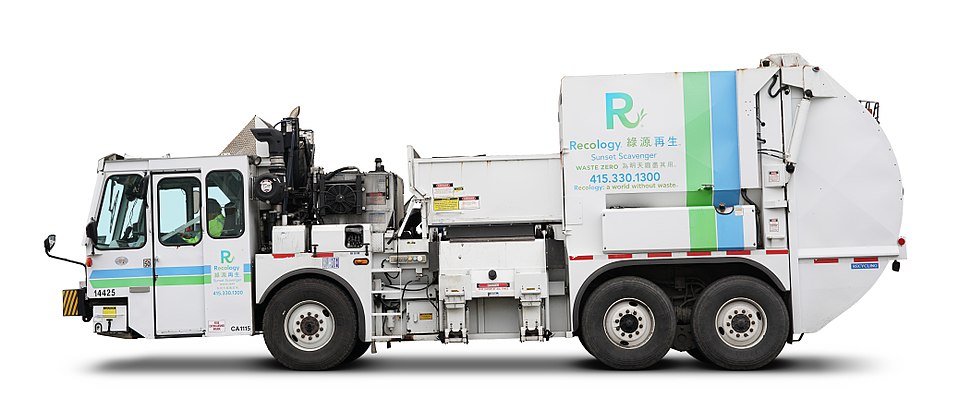
Sanitation workers start their shifts very early in the morning, often before sunrise, to collect trash and recyclables from homes and businesses. They operate large collection trucks equipped with mechanical arms or rear-loading compactors that crush waste to fit more into each load. At landfills and recycling centers, heavy equipment operators drive bulldozers and front-end loaders to move and sort mountains of material. Wastewater treatment plant workers monitor filters, pumps, and chemical processes that clean millions of gallons of water every day before it is released back into rivers or oceans. All of these workers do physically demanding and sometimes dangerous jobs to keep our communities safe and clean.
Wastewater Treatment
Every time you flush a toilet or wash your hands, the used water travels through underground pipes to a wastewater treatment plant. In the first stage, large screens and settling tanks remove solid objects like sticks, sand, and other debris. Next, helpful bacteria eat organic matter in the water during a biological treatment step, breaking down harmful substances. Chemical disinfection, often using chlorine or ultraviolet light, kills any remaining germs before the cleaned water is released into a nearby river, lake, or ocean. A single treatment plant in a large city can process hundreds of millions of gallons of wastewater every day.
Waste Reduction and the Three Rs
The three Rs, Reduce, Reuse, and Recycle, are listed in order of importance because the best way to manage waste is to create less of it in the first place. Reducing means making choices like buying products with less packaging or bringing a reusable water bottle instead of buying a plastic one. Reusing means finding new purposes for items, such as turning an old jar into a pencil holder or donating clothes you have outgrown. When reducing and reusing are not possible, recycling keeps materials circulating instead of being thrown away. Schools, businesses, and families that follow the three Rs can make a real difference in how much waste ends up in landfills.
The Future of Waste Management
Scientists and engineers are working on new technologies to turn trash into useful resources, including methods that convert plastic waste back into fuel or raw materials. Some cities have set “zero waste” goals, aiming to recycle or compost nearly everything and send almost nothing to landfills. Robots powered by artificial intelligence are being used at sorting facilities to identify and separate recyclables faster and more accurately than humans can. Biodegradable packaging made from plants like corn and sugarcane is replacing some single-use plastics. As the world’s population grows, finding smarter ways to handle waste will be one of the most important challenges of the coming decades.
 OtterKnow Kids Encyclopedia