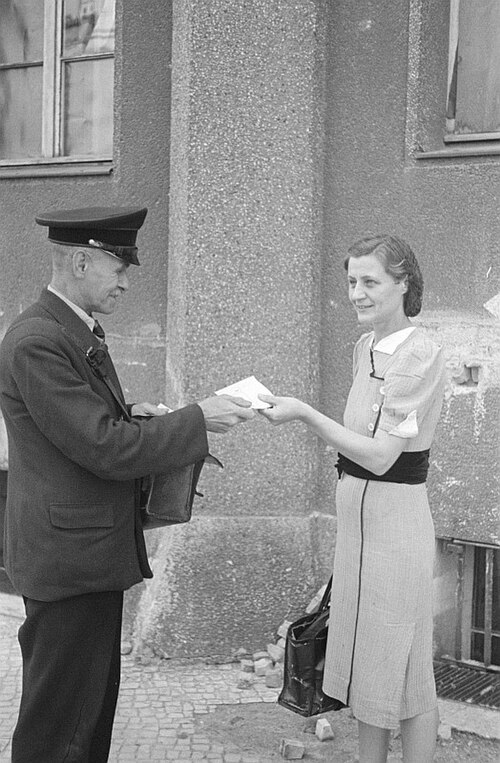
A Brief History of Mail Delivery
Organized mail delivery in America goes back to colonial times. Benjamin Franklin served as the first Postmaster General of the United States in 1775, helping to set up a reliable mail system for the new nation. In the mid-1800s, the famous Pony Express used horseback riders to carry mail across the western frontier, though it only lasted about 18 months before the telegraph took over. The introduction of airmail in 1918 made it possible to send letters across the country in just a few days instead of weeks.
How Mail Gets Delivered
When you drop a letter in a mailbox, it begins a long journey. First, a mail carrier collects it and brings it to a local post office, where machines sort it by ZIP code. The letter then travels by truck or airplane to a processing center near its destination. From there, it goes to the local post office, where a mail carrier loads it into a delivery vehicle and brings it to the correct address. The entire trip from mailbox to doorstep usually takes just two to five days.
The People Who Deliver the Mail
Mail carriers, also called letter carriers, are the postal workers most people see every day. They walk or drive along set routes, delivering letters, packages, and magazines to homes and businesses. Behind the scenes, postal clerks sort mail and help customers at the post office counter. There are also mail handlers who load and unload trucks, and postal inspectors who investigate mail theft and fraud. Altogether, USPS employs more than 600,000 workers, making it one of the largest employers in the United States.
ZIP Codes and Addresses
Every address in the United States has a five-digit ZIP code that helps the postal service sort and route mail quickly. The ZIP code system was introduced in 1963, and the letters stand for Zone Improvement Plan. The first digit of a ZIP code tells you what region of the country the address is in, starting with 0 on the East Coast and going up to 9 on the West Coast. Some addresses also use a ZIP+4 code, which adds four extra digits to pinpoint an even more specific location.
Private Delivery Companies
While USPS handles most regular mail, private companies like UPS, FedEx, and Amazon also deliver packages across the country. These companies often specialize in fast shipping and package tracking, letting customers see exactly where their delivery is at any time. Private delivery services grew rapidly with the rise of online shopping, which has made package delivery a huge part of everyday life. However, only USPS is allowed to put mail in your mailbox by law.
Mail in the Modern World
Even though many people now send messages by email and text, the postal service still plays an important role. Millions of people receive important documents like bills, tax forms, and legal notices through the mail. Online shopping has actually increased the number of packages USPS delivers each year. The postal service has also added new technology, including Informed Delivery, which lets customers see images of their incoming mail before it arrives.
Why the Postal Service Matters
The postal service connects people across the entire country, no matter where they live. Rural communities that might not have access to private delivery services still receive daily mail from USPS. The postal service also plays a big role during elections by handling millions of mail-in ballots. For more than 200 years, the mail system has helped Americans stay connected, run businesses, and participate in their communities.
 OtterKnow Kids Encyclopedia