Types of Law Enforcement Officers
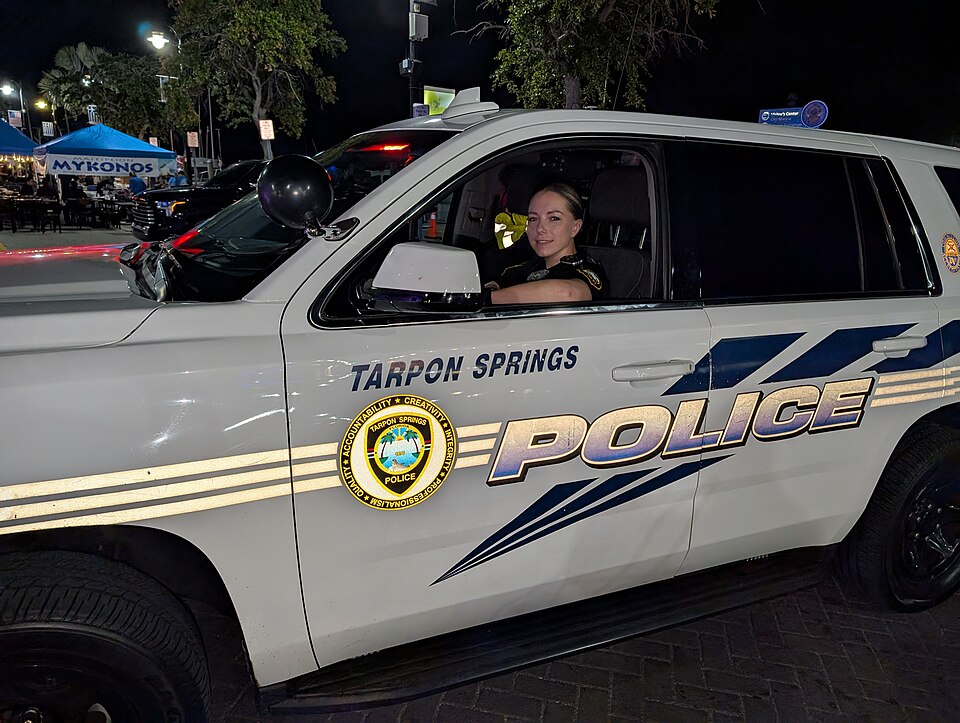
There are many different types of law enforcement officers, and each one has a specific role. Local police officers patrol neighborhoods, respond to emergency calls, and direct traffic. Sheriffs and their deputies serve entire counties and often run the local jail. State troopers, sometimes called highway patrol officers, enforce laws on state roads and highways. At the federal level, agencies like the Federal Bureau of Investigation (FBI) handle crimes that cross state lines, such as kidnapping or cyberattacks. Other federal agencies include the U.S. Marshals Service, the Secret Service, and the Bureau of Alcohol, Tobacco, Firearms and Explosives (ATF).
How Someone Becomes a Law Enforcement Officer
Becoming a law enforcement officer requires training, education, and dedication. Most officers must be at least 21 years old and have a high school diploma, though many agencies prefer candidates with a college degree. After being hired, new officers attend a police academy, where they spend several months learning about the law, self-defense, first aid, and how to handle difficult situations. Once they graduate from the academy, they work alongside an experienced officer during a training period before going out on their own. Officers continue learning throughout their careers by attending regular training sessions and courses.
What Law Enforcement Officers Do Every Day
A typical day for a law enforcement officer can include many different tasks. Officers patrol their assigned areas on foot, in cars, or sometimes on bicycles or horses, watching for anything unusual. They respond to 911 calls, which can range from car accidents and medical emergencies to reports of crimes in progress. Officers also write reports, collect evidence, and testify in court when cases go to trial. Community policing is an important part of the job too, which means building relationships with the people in the neighborhoods they serve. Many officers visit schools, coach youth sports teams, or organize community events.
The History of Policing
Organized law enforcement has a long history that stretches back thousands of years. Ancient civilizations like Rome and Egypt had guards who kept order in cities and protected important buildings. In England during the 1800s, Sir Robert Peel created the London Metropolitan Police, one of the first modern police forces. American cities like Boston, New York, and Philadelphia formed their own police departments in the mid-1800s. Over time, law enforcement has changed in many ways, adopting new technology and methods. Today, discussions about how to improve policing and build trust between officers and communities continue across the country.
Modern law enforcement officers use a wide variety of tools and technology to do their jobs. Officers carry radios to communicate with dispatchers and other officers quickly. Patrol cars are equipped with computers that let officers look up important information, such as license plate numbers and missing person reports. Body cameras have become common in many departments, recording interactions to provide a clear record of what happened. Forensic science helps detectives solve crimes by analyzing fingerprints, DNA, and other evidence found at crime scenes. Technology keeps advancing, giving officers new ways to keep communities safe.
Law enforcement works best when officers and community members trust and respect each other. Many police departments have community liaison officers whose main job is to build strong relationships with the people they serve. Programs like neighborhood watch groups encourage residents to look out for each other and report suspicious activity. Some departments hold town hall meetings where residents can ask questions, share concerns, and suggest improvements. When officers know the people in their community by name and understand their needs, they can do a better job of keeping everyone safe. Building this trust takes time, effort, and open communication from both sides.
Other Careers in Law Enforcement
Law enforcement offers many career paths beyond patrol officer. Detectives and investigators specialize in solving specific types of crimes, such as fraud, missing persons, or cybercrime. Forensic scientists work in labs analyzing evidence like fingerprints, fibers, and digital data. Dispatchers answer emergency calls and send officers to where they are needed most. Crime scene investigators carefully collect and photograph evidence at the scene of a crime. K-9 officers work with specially trained dogs that can track missing people or detect illegal substances. With so many roles to choose from, law enforcement offers careers for people with many different skills and interests.
 OtterKnow Kids Encyclopedia