The History of Firefighting
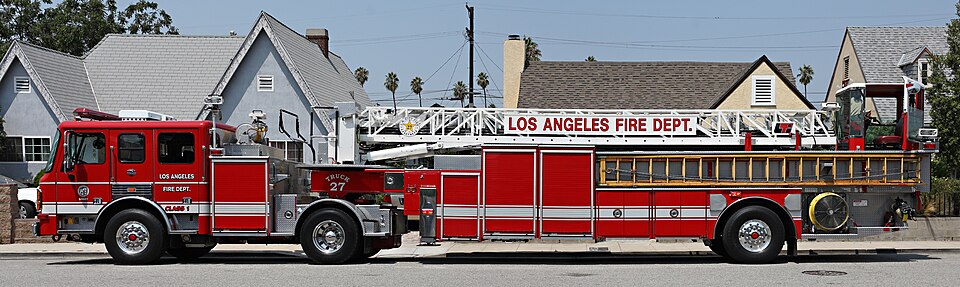
Firefighting has a long history that goes back thousands of years. The ancient Romans created one of the first organized firefighting forces around 6 AD, called the Vigiles, which had about 7,000 members who patrolled the streets of Rome at night watching for fires. In colonial America, Benjamin Franklin helped establish one of the first volunteer fire companies in Philadelphia in 1736. Early firefighters used hand-powered pumps and leather buckets to fight fires, forming long lines of people who passed buckets of water from a well to the blaze. The invention of steam-powered fire engines in the 1800s was a major breakthrough that let firefighters pump water much faster and more powerfully than ever before.
What Firefighters Do
Modern firefighters do much more than just put out fires. They respond to car accidents, chemical spills, building collapses, and natural disasters like floods and earthquakes. Firefighters also perform rescue operations, including saving people trapped in buildings, vehicles, or even bodies of water. A large part of their job involves fire prevention, which means inspecting buildings to make sure they follow safety codes and teaching communities how to prevent fires. Many firefighters are also trained as emergency medical technicians (EMTs) or paramedics, so they can provide medical care to injured or sick people while waiting for an ambulance to arrive.
Training and Equipment
Becoming a firefighter requires serious training and physical fitness. Recruits attend a fire academy where they learn how to handle hoses, climb ladders, use breathing equipment, and rescue people from dangerous situations. Firefighters wear special protective gear called turnout gear, which includes a heavy coat, pants, boots, gloves, and a helmet that can withstand temperatures over 1,000 degrees Fahrenheit. They also carry a self-contained breathing apparatus (SCBA) that lets them breathe clean air in smoke-filled buildings. Fire trucks carry ladders, hoses, water tanks, medical supplies, and tools like the Jaws of Life, which can cut through metal to free people trapped in wrecked cars.
Emergency Medical Services
Emergency medical services, or EMS, are the teams that provide medical care during emergencies. When someone has a heart attack, a serious injury, or any life-threatening medical problem, EMS workers rush to help. There are different levels of EMS providers, including emergency medical technicians (EMTs) who provide basic care and paramedics who can perform more advanced treatments like giving medications and starting IVs. Ambulances are like mobile emergency rooms, stocked with medical equipment, medicines, and monitors that help EMS workers stabilize patients on the way to the hospital. In the United States, EMS teams respond to approximately 240 million 911 calls each year.
The 911 System
The 911 emergency phone number is one of the most important systems keeping communities safe. Before 911 was created, people had to look up the phone number for their local fire department or police station during an emergency, which wasted precious time. The first 911 call in the United States was made on February 16, 1968, in Haleyville, Alabama. Today, 911 call centers, also called Public Safety Answering Points, are staffed by trained dispatchers who answer calls, gather information, and send the right emergency teams to the scene. Dispatchers are often called the “first” first responders because they are the first people to help during an emergency, guiding callers through life-saving steps over the phone until help arrives.
Volunteer Firefighters
Not all firefighters are paid professionals. In fact, about 65 percent of firefighters in the United States are volunteers who serve their communities without receiving a regular salary. Volunteer fire departments are especially common in small towns and rural areas where there may not be enough tax revenue to support a full-time, paid department. These volunteers have regular jobs during the day but drop everything when their pager or phone alerts them to an emergency. Volunteer firefighters go through the same training as career firefighters and face the same dangers. Their dedication helps protect millions of Americans who live in areas that could not afford professional fire services on their own.
How You Can Help
Everyone can play a part in keeping their community safe from fires and other emergencies. One of the most important things families can do is create a fire escape plan that shows two ways out of every room and a meeting spot outside. Practicing fire drills at home helps everyone know exactly what to do if a fire breaks out, just like the drills you do at school. Make sure your home has working smoke detectors on every floor and test them once a month. Learn your home address and how to call 911 so you can give clear information to a dispatcher if you ever need to. Firefighters and emergency workers are always happy to visit schools and community events to teach kids about safety and show off their trucks and equipment.
 OtterKnow Kids Encyclopedia