What Engineers Do
Engineers use math, science, and creativity to solve problems and design things that work. Civil engineers plan roads, bridges, and water systems that entire communities depend on. Structural engineers figure out how to make buildings strong enough to stand up against wind, earthquakes, and the weight of everything inside them. Electrical engineers design the wiring and power systems that bring electricity to every room. There are also mechanical engineers, environmental engineers, and many other specialties, each focused on a different part of how things are built and how they function.
What Construction Workers Do
Construction workers are the skilled people who turn engineering plans into real structures. Carpenters cut and shape wood to build walls, floors, roofs, and stairs. Electricians install the wires, outlets, and light fixtures that bring power to a building. Plumbers put in the pipes that carry clean water in and wastewater out. Ironworkers assemble the steel frames of large buildings and bridges, sometimes working hundreds of feet in the air. Each trade requires special training, and workers on a construction site must communicate and coordinate carefully to get the job done safely.
How a Building Gets Built
Building a structure is a long process with many steps. First, an architect draws detailed plans showing what the building will look like and how spaces will be arranged. Then engineers review and refine those plans to make sure the structure will be safe and meet building codes. Next, the construction crew prepares the site by clearing the land and digging the foundation, which is the base that supports everything above it. Workers then build the frame, add walls and a roof, and install electrical, plumbing, and heating systems before finishing with paint, flooring, and fixtures.
Construction workers use a wide variety of tools, from simple hammers and tape measures to powerful machines like cranes, bulldozers, and excavators. A crane can lift steel beams weighing several tons to the top of a tall building. Engineers use computer software called CAD (computer-aided design) to create detailed 3D models of structures before any building begins. Some construction companies now use drones to survey job sites from above and 3D printers to create building parts. New technology helps projects get finished faster and more accurately than ever before.
Staying Safe on the Job
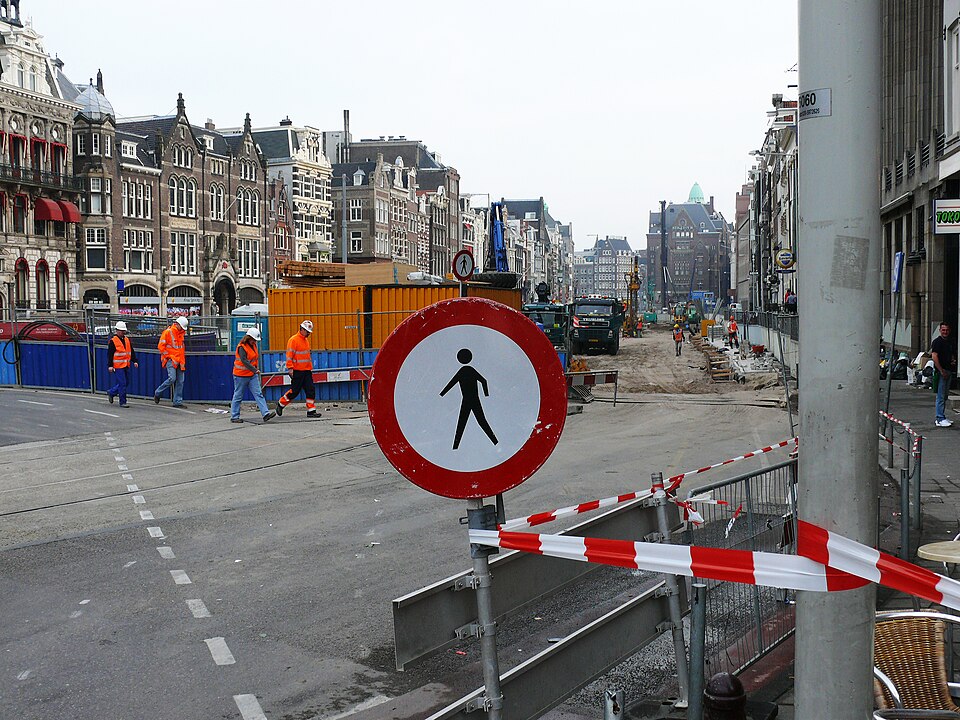
Construction sites can be dangerous places, so safety is always the top priority. Workers wear hard hats to protect their heads, steel-toed boots to guard their feet, and high-visibility vests so they can be seen by equipment operators. The Occupational Safety and Health Administration, known as OSHA, sets rules that construction companies must follow to keep workers safe. Before any work begins, site managers hold safety meetings to review potential hazards and emergency plans. Thanks to these rules and precautions, construction has become much safer over the decades, though workers must still stay alert at all times.
Famous Structures Around the World
Throughout history, engineers and builders have created structures that amaze people. The Great Wall of China stretches over 13,000 miles and took centuries to build, making it one of the longest structures ever constructed. The Empire State Building in New York City was completed in just 410 days in 1931 and stood as the world’s tallest building for nearly 40 years. The Golden Gate Bridge in San Francisco spans 4,200 feet across the bay and was a major engineering achievement when it opened in 1937. Modern marvels like the Burj Khalifa in Dubai reach over 2,700 feet tall, showing how far construction and engineering have come.
Careers in Construction and Engineering
There are many career paths for people interested in building things. Engineers usually go to college for four years to earn a degree and may need to pass a licensing exam. Construction workers often learn through apprenticeships, where they train on the job while taking classes for three to five years. Project managers oversee entire construction jobs, making sure work stays on schedule and within budget. Surveyors use special equipment to measure land and map out exactly where structures will be placed. People who like working with their hands outdoors and people who enjoy solving problems with math and science can both find careers in construction and engineering.
 OtterKnow Kids Encyclopedia