What It Looks Like
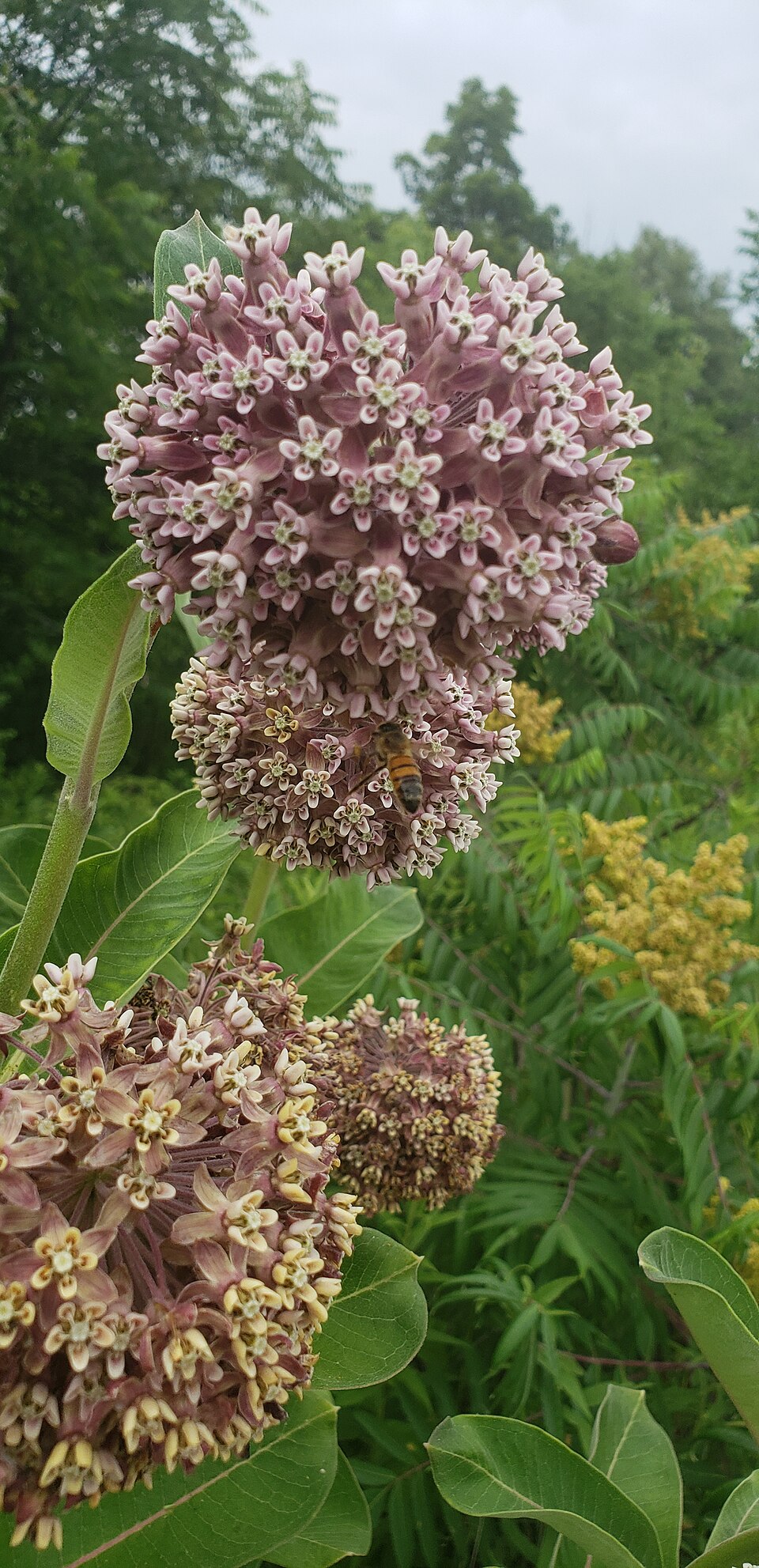
Common milkweed grows two to five feet tall with thick, sturdy stems and large, broad, oval leaves that grow in pairs along the stem. The flowers are clusters of small, star-shaped blossoms in shades of pink, purple, or white, gathered together in round, drooping bunches called umbels. Each tiny flower has an intricate shape with five petals and a crown of five small hoods that hold nectar. In fall, milkweed produces large, bumpy seed pods that split open to release hundreds of flat brown seeds, each attached to a tuft of silky white fibers that carry them on the wind.
Where It Grows
Milkweed species are found across North America in meadows, prairies, roadsides, and along fence rows, though they have been disappearing from agricultural areas due to the widespread use of herbicides. Common milkweed thrives in full sun and well-drained soil, spreading both by seed and by underground rhizomes that send up new shoots. Different species of milkweed are adapted to different habitats: swamp milkweed likes wet areas, butterfly weed prefers dry sandy soils, and showy milkweed grows in the western prairies. Conservation groups are now encouraging homeowners, schools, and communities to plant milkweed in gardens and public spaces to help monarchs survive.
Pollinators and Wildlife
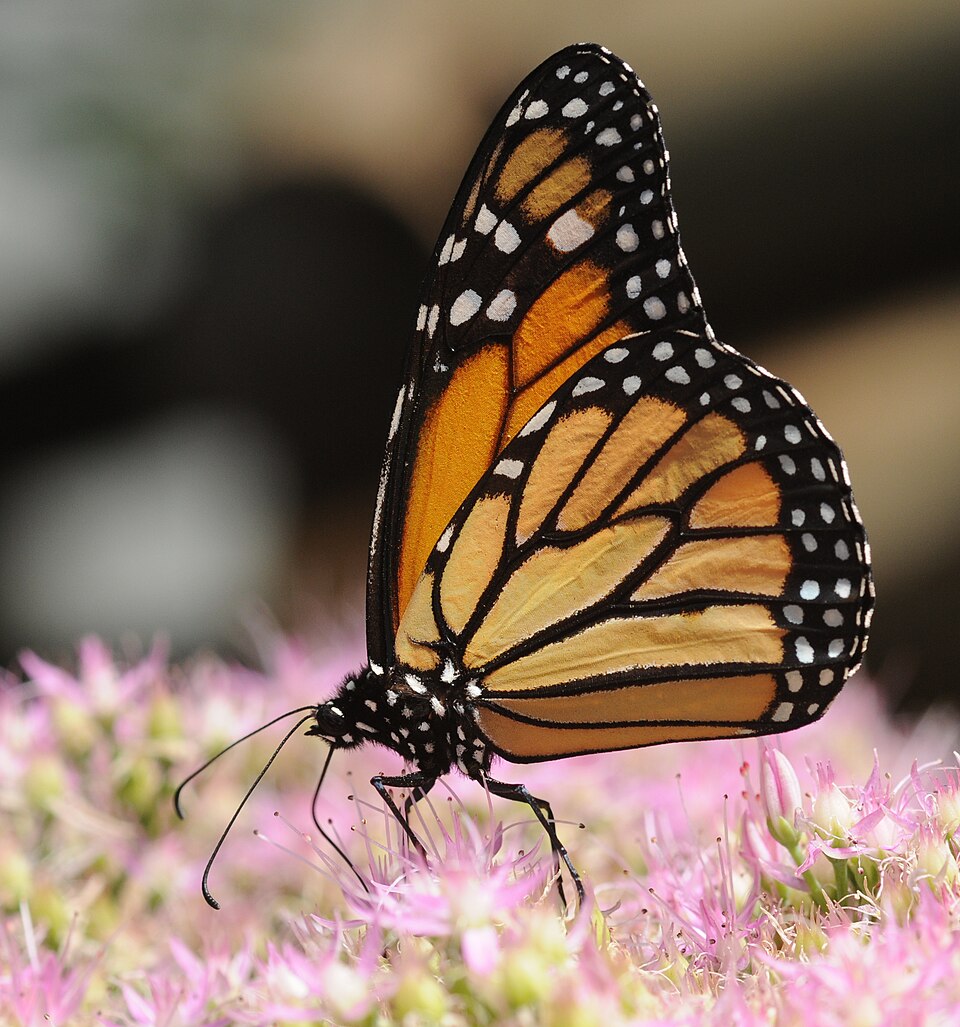
Monarch butterflies lay their eggs exclusively on milkweed plants because the caterpillars need the leaves as their only food source. As the caterpillars eat milkweed leaves, they absorb the plant’s toxic compounds called cardiac glycosides, which make both the caterpillars and the adult butterflies poisonous and bad-tasting to birds. Bees, wasps, and many other insects also visit milkweed flowers for their abundant nectar. Milkweed bugs, milkweed beetles, and milkweed tussock moths are additional insects that have evolved to feed on milkweed despite its toxic sap.
Uses and History
During World War II, the silky fibers from milkweed seed pods were collected by American schoolchildren and used to stuff life preservers and flight jackets for the military because they are naturally waterproof and buoyant. Native American peoples used milkweed for food, fiber, and medicine, eating the young shoots, flower buds, and immature seed pods after careful cooking to break down the toxins. The strong fibers in milkweed stems were twisted into rope and cord. Today, there is renewed interest in milkweed fiber as a sustainable, hypoallergenic filling for pillows and insulated clothing.
Interesting Facts
The milkweed flower has one of the most clever pollination systems in the plant kingdom: its pollen is packed into tiny saddlebag-like structures called pollinia that clip onto the legs of visiting insects and are carried to the next flower. Sometimes smaller insects get their legs trapped in the flower’s slits and cannot pull free, which is why you might find tiny bees or flies stuck on milkweed blossoms. A single milkweed pod can contain over 200 seeds, each with a silky parachute that can carry it more than a mile in a strong breeze. Scientists have found that milkweed floss is actually warmer than down feathers and more water-resistant, making it a useful natural material.
 OtterKnow Kids Encyclopedia