What It Looks Like
What looks like a single dandelion flower is actually a cluster of up to 200 tiny individual flowers called florets, all packed tightly together on a single stem. Each floret produces its own seed, which is why a single dandelion head can release so many seeds at once. The bright yellow flower sits atop a hollow stem that contains a milky white sap. The leaves grow in a rosette pattern flat against the ground, with deep, jagged teeth along their edges that inspired the plant’s lion’s tooth name.
Where It Grows
Dandelions are found on every continent except Antarctica and can grow in a wide variety of conditions, from cracks in city sidewalks to mountain meadows at 12,000 feet elevation. They thrive because of their deep taproots, which can extend more than 10 inches into the soil and regrow an entire new plant even from a small fragment left behind. Originally native to Europe and Asia, dandelions have spread worldwide and are now one of the most common plants in North America. They bloom earliest in spring, making them one of the first food sources available to hungry pollinators.
Pollinators and Wildlife
Dandelions are a lifeline for bees, especially in early spring when few other flowers are blooming. Over 100 different species of insects visit dandelion flowers for nectar and pollen, including bees, butterflies, beetles, and hoverflies. Goldfinches and other small birds eat dandelion seeds, while rabbits and other herbivores munch on the nutritious leaves. The plants are so important to early-season pollinators that many ecologists now encourage people to delay mowing their lawns in spring to let dandelions bloom.
Uses and History
Every part of the dandelion is edible, and people around the world have eaten them for thousands of years. The young leaves make a nutritious salad green that is rich in vitamins A, C, and K, while the roots can be roasted and brewed into a coffee-like drink. Dandelion flowers can be made into wine, jelly, and even fritters. In traditional medicine, dandelion preparations were used to support liver health and digestion, and modern research has confirmed that the plant contains compounds with real health benefits.
Interesting Facts
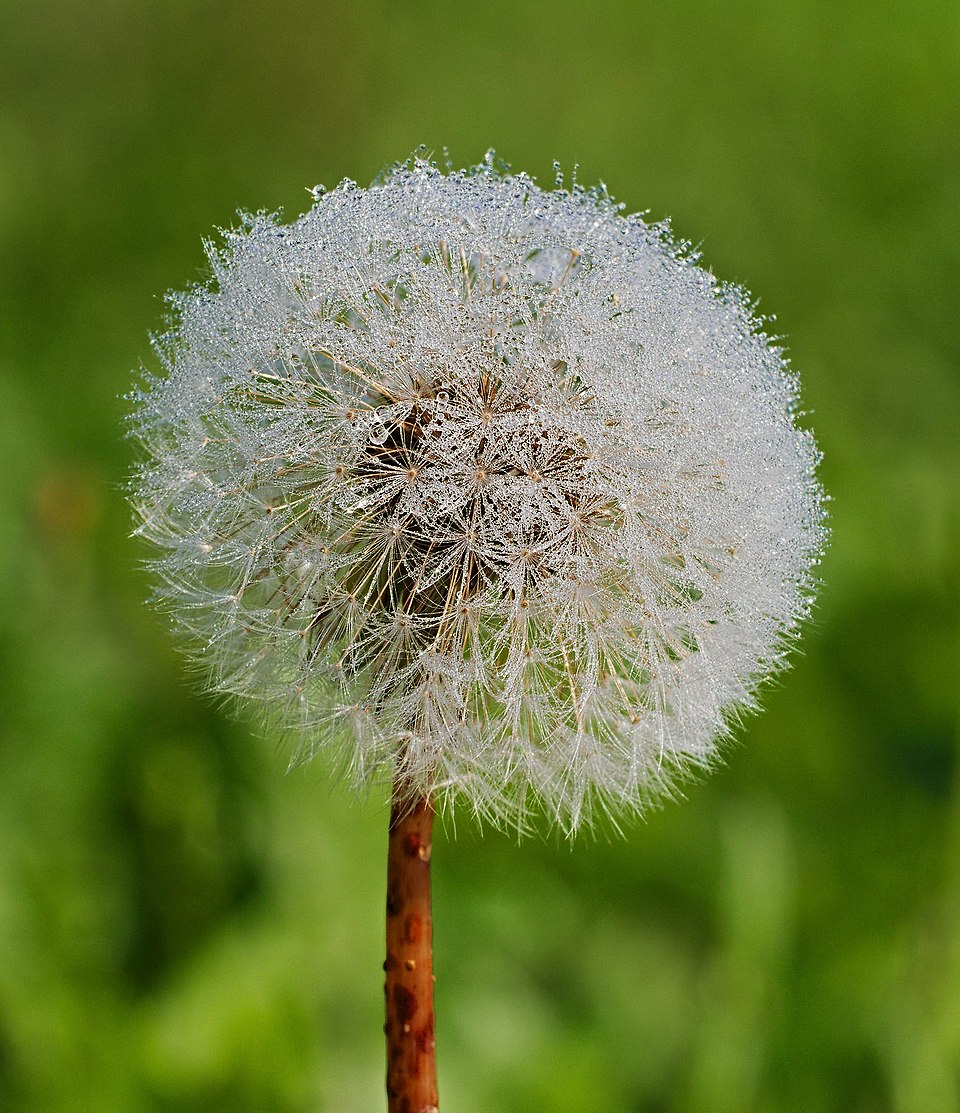
Each dandelion seed is attached to a tiny parachute of fine white bristles called a pappus, which can carry the seed on the wind for distances of five miles or more. Children around the world play the same game of blowing on dandelion seed heads and making wishes, a tradition that goes back centuries. Scientists have studied the dandelion’s pappus as a model for designing tiny flying devices because its structure is very efficient at staying aloft. A single dandelion plant can produce up to 15,000 seeds in a year, which helps explain why these tough little flowers show up almost everywhere.
 OtterKnow Kids Encyclopedia