An Ancient Traveler
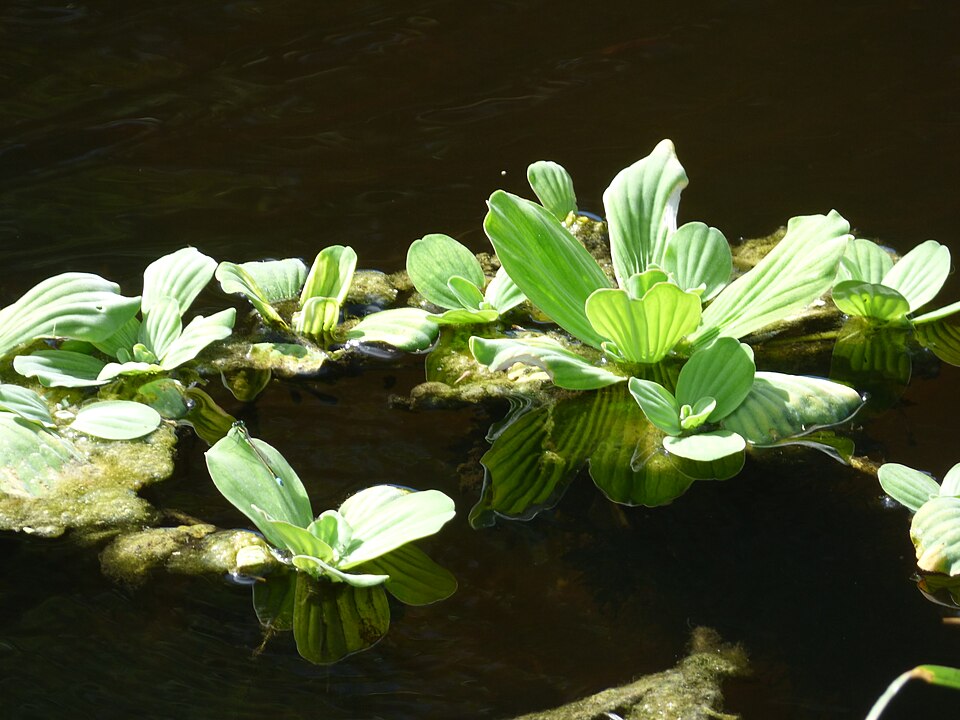
Water lettuce is one of the oldest known aquatic plants, and its history stretches back thousands of years across many different cultures. Ancient Egyptians recorded water lettuce growing in the Nile River, and images of the plant have even been found in Egyptian tomb paintings. The famous Greek scholar Dioscorides described the plant in his writings nearly 2,000 years ago. Nobody is entirely sure where water lettuce originally came from because it has been growing in tropical waters across several continents for so long. Some scientists believe it may have originated in Africa or South America, but its true homeland remains one of botany’s unsolved mysteries.
Tiny Hidden Flowers
Water lettuce produces some of the smallest and most hidden flowers in the plant world, tucked deep inside the center of the leaf rosette where they are almost impossible to spot. Each plant produces a tiny, pale green flower structure that is only about the size of a pencil eraser. Instead of relying on showy flowers to attract pollinators, water lettuce mostly reproduces by sending out runners called stolons that grow new baby plants at their tips. A single parent plant can produce dozens of daughter plants in a growing season, and each of those daughters starts producing her own offspring almost immediately. This rapid vegetative reproduction is what allows water lettuce to spread so quickly across warm, still waters.
Friend and Foe
Water lettuce plays a dual role in aquatic ecosystems — it can be helpful in the right amounts but devastating when it grows out of control. The dangling roots create a sheltered habitat for small fish, shrimp, and aquatic insects, and the floating leaves provide shade that keeps water temperatures comfortable for creatures below. However, in tropical regions where conditions favor rapid growth, water lettuce can cover entire ponds and lakes, blocking sunlight and reducing oxygen levels just like water hyacinth. Many countries in the tropics now list water lettuce as an invasive species and spend considerable resources trying to manage its spread. In controlled settings like water gardens and aquariums, though, water lettuce is a popular and attractive plant that helps keep the water clean by absorbing excess nutrients.
 OtterKnow Kids Encyclopedia