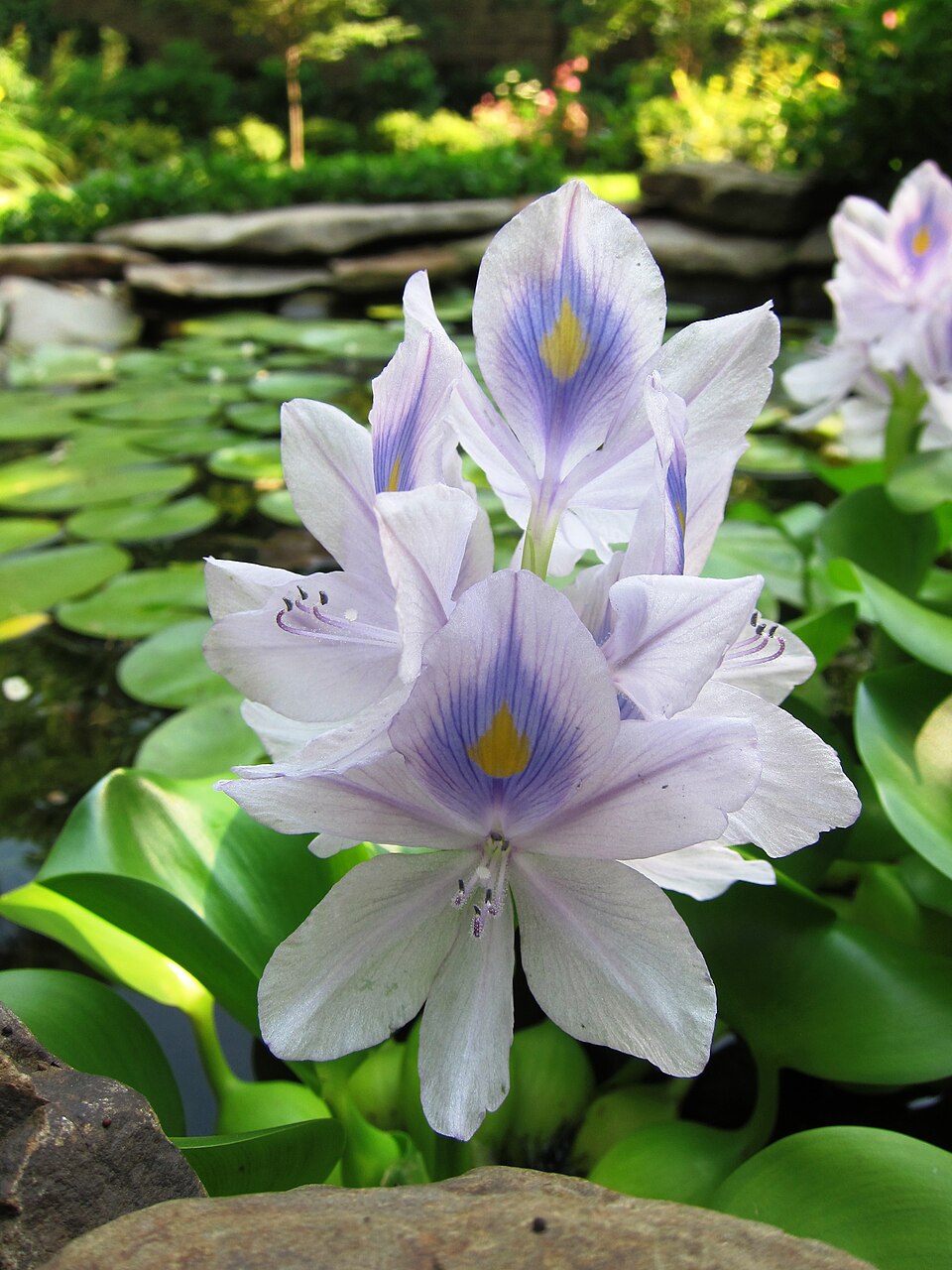
The World’s Most Invasive Water Plant
Water hyacinth holds the unfortunate title of being the most invasive aquatic plant in the world, capable of doubling its population in as little as two weeks. A single plant can produce thousands of seeds and also spreads rapidly through runners that send out new plants in every direction. When water hyacinth takes over a lake or river, it forms thick, tangled mats that can block sunlight from reaching underwater plants and animals. These mats also prevent oxygen from entering the water, which can suffocate fish and other aquatic life beneath them. The dense growth can clog waterways so badly that boats cannot pass through, and it blocks irrigation canals that farmers depend on for their crops.
Efforts to Control It
People around the world have tried many different strategies to keep water hyacinth from choking their waterways. Mechanical harvesting uses boats with special scooping arms to physically remove the plants, but this is expensive and the hyacinth usually grows back within weeks. Scientists have introduced natural enemies like weevils and moths from South America that feed specifically on water hyacinth, and these biological controls have helped in some areas. In parts of Africa and Southeast Asia, people have found creative ways to use harvested water hyacinth to make furniture, baskets, rope, and even building materials. Chemical herbicides can kill the plants, but they also harm other aquatic life, so scientists prefer to combine several gentler methods together.
The Bright Side of Water Hyacinth
Despite all the damage it causes, water hyacinth does have some genuinely useful qualities that scientists and communities are learning to take advantage of. The plant’s extensive root system is excellent at absorbing heavy metals, pesticides, and excess nutrients from polluted water, making it useful for cleaning up contaminated waterways. In some developing countries, dried water hyacinth is being turned into briquettes for cooking fuel, reducing the need to cut down trees. Researchers are also studying whether water hyacinth can be converted into biogas or used as compost to enrich farm soil. The key challenge is finding ways to harvest and use the plant fast enough to keep it from overwhelming the ecosystems where it grows.
 OtterKnow Kids Encyclopedia