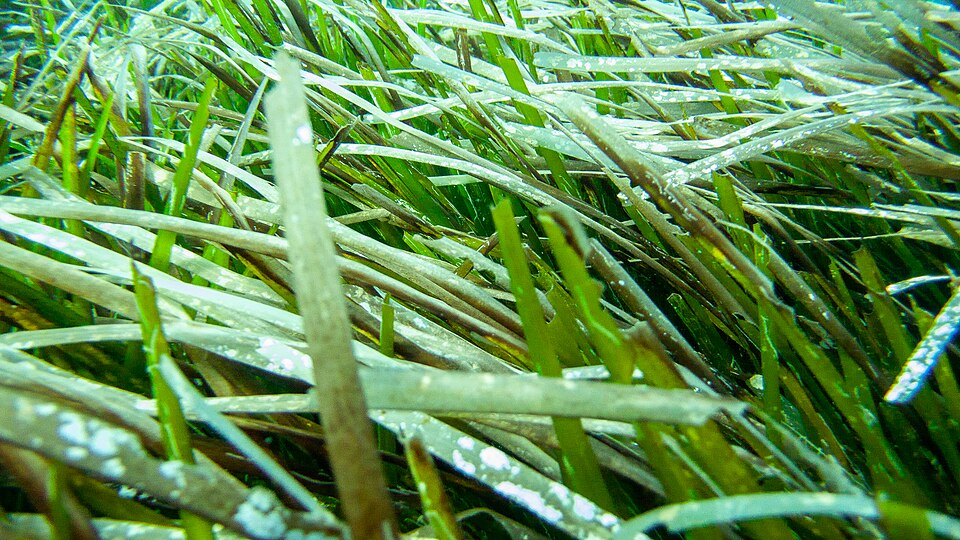
The Oxygen Factory of the Ocean
One of the most surprising facts about seaweed and other marine algae is that they produce a huge portion of the oxygen we breathe every day. Scientists estimate that ocean algae, including seaweed, generate between 50 and 80 percent of all the oxygen in Earth’s atmosphere through photosynthesis. That means that every other breath you take was made possible by these simple organisms living in the sea. Like land plants, seaweed uses sunlight, water, and carbon dioxide to make food and release oxygen as a byproduct. Seaweed also absorbs enormous amounts of carbon dioxide, which helps slow down climate change by keeping this greenhouse gas out of the atmosphere.
Seaweed on Your Plate and in Your Life
You probably eat or use products made from seaweed more often than you realize. Nori, the dark green sheets wrapped around sushi rolls, is a type of dried red seaweed that is one of the most popular seaweed foods in the world. A substance called agar, made from red seaweed, is used as a thickener in ice cream, yogurt, and gummy candies. Another seaweed extract called carrageenan shows up in chocolate milk, toothpaste, and even shampoo to give them a smooth, creamy texture. In coastal communities across Asia, Europe, and the Americas, people have been harvesting and eating seaweed for thousands of years because it is rich in vitamins, minerals, and iodine.
Life Among the Seaweed
Seaweed forests and beds create some of the most diverse and important habitats in the ocean. Leafy sea dragons, which are relatives of seahorses, have evolved to look exactly like floating pieces of seaweed so they can hide from predators in plain sight. Small fish, crabs, sea urchins, and snails find food and shelter among the swaying fronds, while larger animals like sea otters and seals hunt in seaweed beds. When seaweed washes up on beaches, it continues to support life by providing food for sand fleas, shore birds, and tiny decomposing organisms. Scientists are increasingly concerned about declining seaweed populations due to pollution, warming seas, and ocean acidification, and many are working to protect these vital underwater ecosystems.
 OtterKnow Kids Encyclopedia