Living Nurseries of the Sea
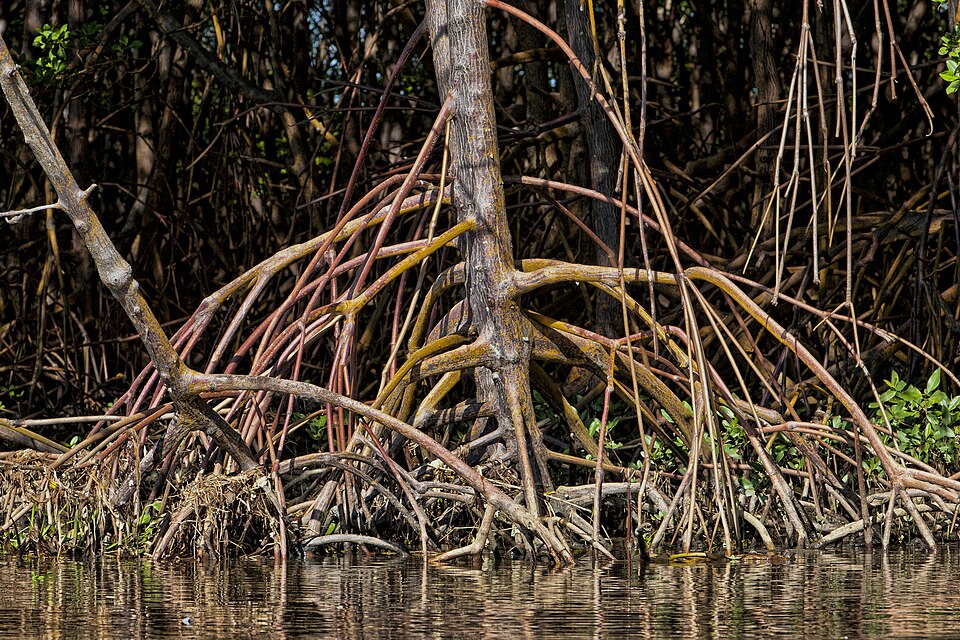
The maze of mangrove roots below the water’s surface creates one of the most important nursery habitats in the ocean. Young fish, shrimp, crabs, and other sea creatures hide among the roots, protected from larger predators that cannot fit through the narrow spaces. Scientists estimate that about 75 percent of commercially caught fish species spend part of their lives in mangrove habitats. Above the water, mangrove branches provide nesting sites for dozens of bird species, including herons, egrets, and pelicans. The rich ecosystem that mangroves support makes them essential for both wildlife and the fishing communities that depend on healthy oceans.
Coastal Guardians
Mangroves act as powerful natural shields that protect coastlines from storms, waves, and flooding. Their dense root systems absorb wave energy and can reduce the height of storm surges, which is why coastal communities with healthy mangrove forests often suffer less damage during hurricanes and tsunamis. Mangrove roots also trap sediment and prevent erosion, actually building new land over time as mud and sand accumulate around them. Scientists have discovered that mangrove forests store three to five times more carbon per acre than tropical rainforests, making them extremely valuable in the fight against climate change. The carbon gets locked away in the thick, waterlogged soil beneath the trees, where it can remain for thousands of years.
Baby Trees That Swim
Mangroves have developed an unusual strategy for reproduction that gives their babies a head start in life. Their seeds actually germinate while still attached to the parent tree, growing into long, pencil-shaped seedlings called propagules. When a propagule drops from the tree, it can float upright in the water for weeks or even months, traveling on ocean currents until it finds a suitable spot to take root. Once it reaches shallow, muddy water, the propagule sinks its root into the soil and begins growing into a new tree. Despite their toughness, mangrove forests are disappearing at an alarming rate due to coastal development, shrimp farming, and pollution, and conservation groups are working around the world to plant new mangroves and protect the ones that remain.
 OtterKnow Kids Encyclopedia