Underwater Meadows
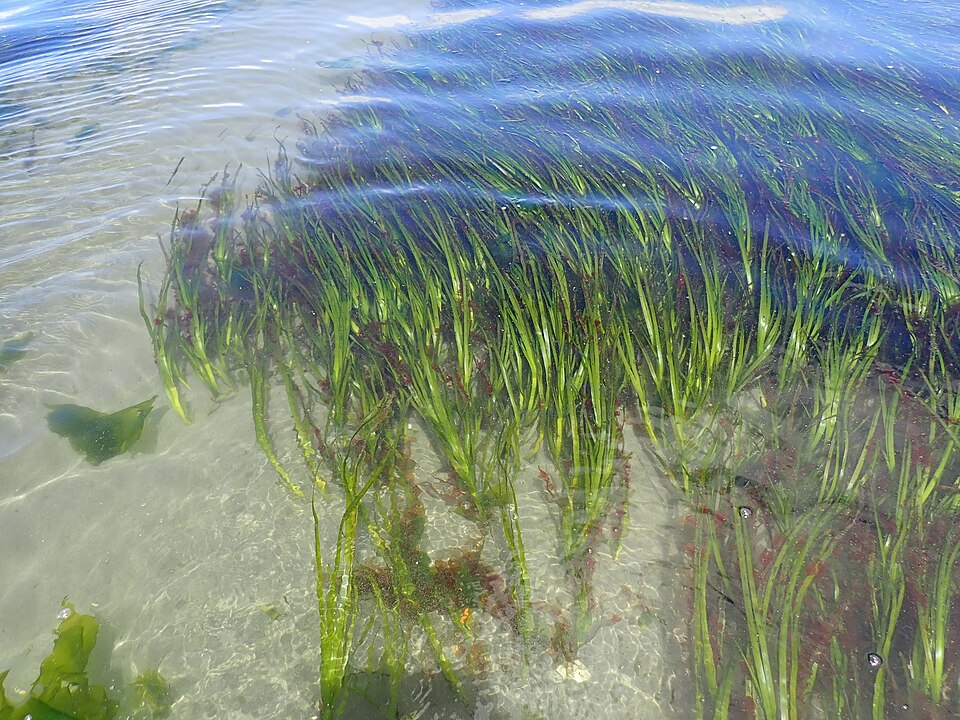
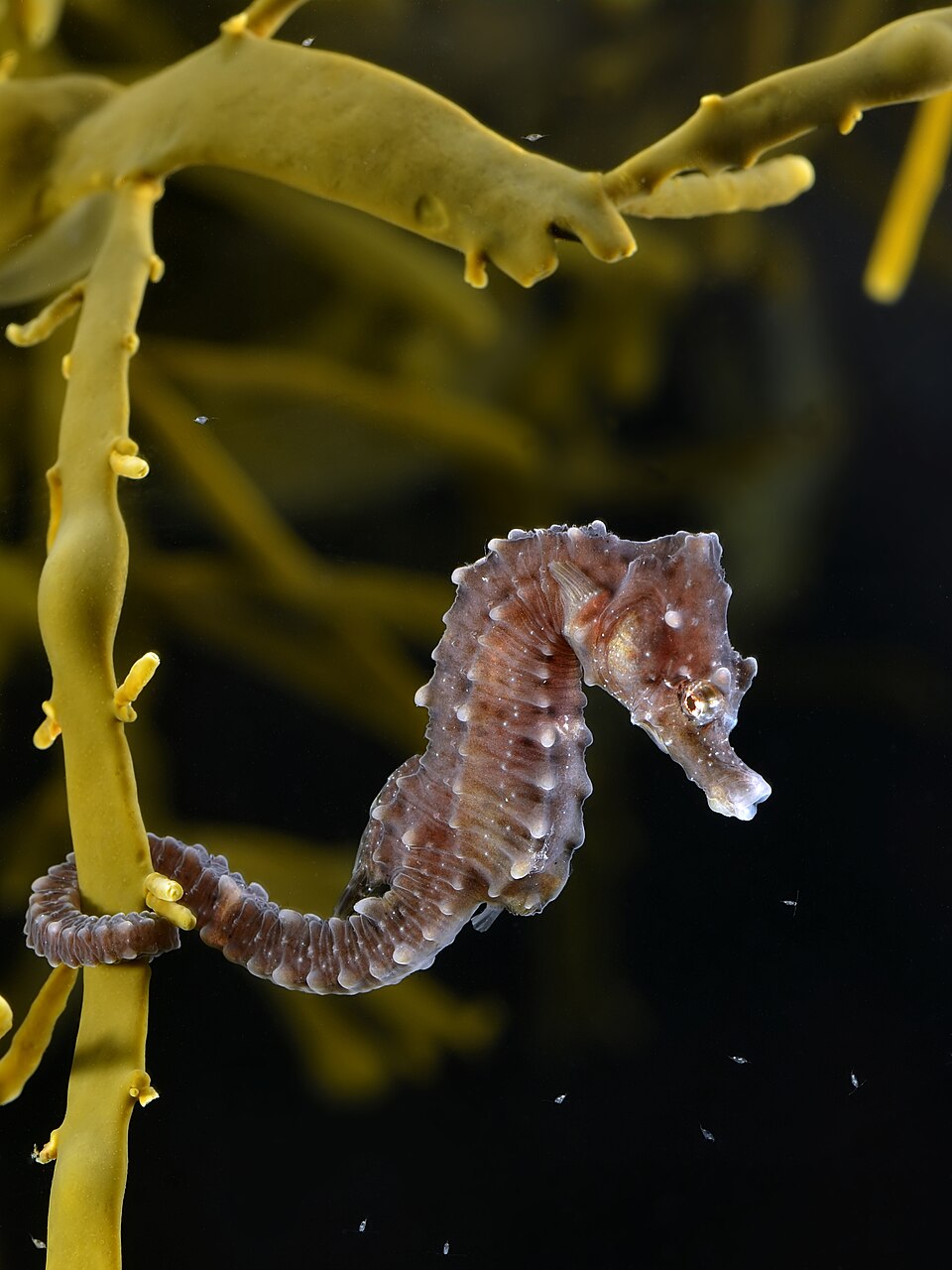
Eelgrass grows in dense underwater meadows that look like waving green fields on the ocean floor. These meadows are among the most productive ecosystems on the planet, supporting hundreds of species of fish, invertebrates, and marine mammals. Baby fish and shellfish use the thick beds of eelgrass as nurseries, hiding among the leaves until they are big enough to survive in open water. Seahorses wrap their tails around eelgrass blades to anchor themselves in the current, and manatees graze on the leaves in warmer waters. The meadows also slow down wave energy, which helps protect shorelines from erosion during storms.
Fighting Climate Change from the Sea Floor
One of the most important things about eelgrass is its ability to capture and store carbon dioxide, the greenhouse gas that contributes to climate change. Seagrass meadows like eelgrass can store carbon in their roots and the surrounding sediment up to 35 times faster than tropical rainforests of the same size. Scientists call this “blue carbon” because it is stored in ocean ecosystems rather than on land. A healthy eelgrass meadow locks away carbon for hundreds or even thousands of years in the mud beneath it. This makes protecting and restoring eelgrass meadows one of the most powerful natural tools we have for fighting climate change.
Threats and Conservation
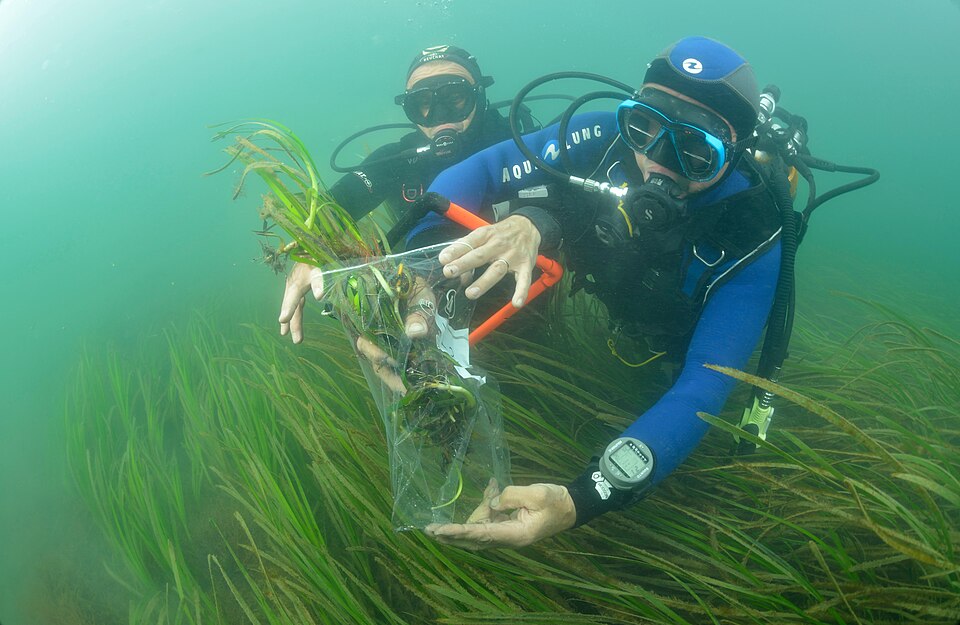
Sadly, eelgrass meadows around the world are shrinking due to pollution, coastal development, and warming ocean temperatures. When too many nutrients from farm runoff and sewage enter the water, they cause algae blooms that block the sunlight eelgrass needs to survive. Rising ocean temperatures stress the plants and make them more vulnerable to disease. Scientists estimate that the world has lost about 30 percent of its seagrass meadows since the 1870s. Conservation groups and researchers are now working hard to replant eelgrass in damaged areas, sometimes by scattering seeds from boats or transplanting healthy plants from thriving meadows.
 OtterKnow Kids Encyclopedia