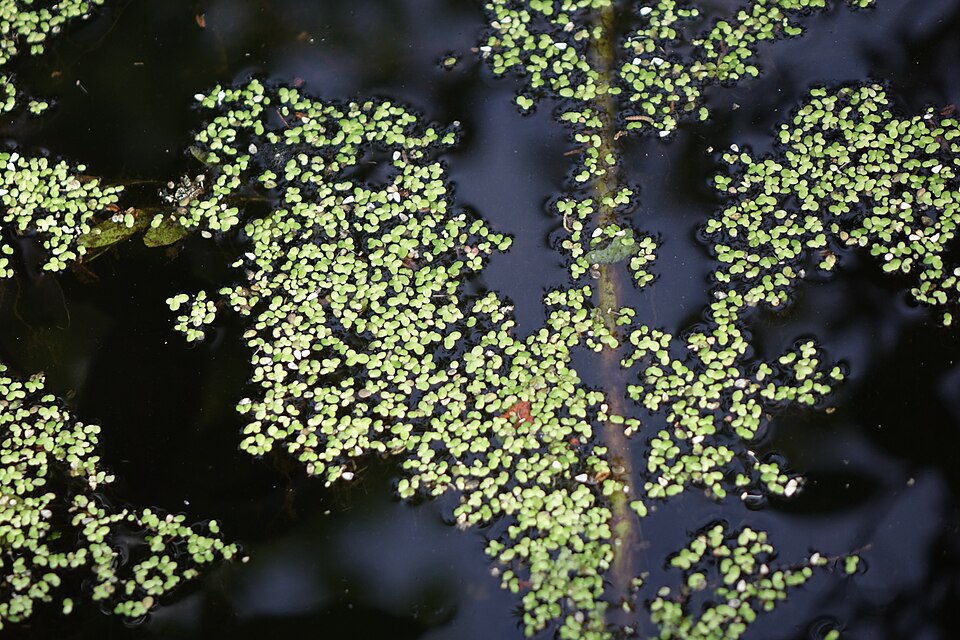
Growing at Record Speed
Duckweed is one of the fastest-growing plants on the planet, and under ideal conditions it can double its population in as little as sixteen hours. Instead of growing from seeds most of the time, duckweed reproduces by budding — a tiny new plant simply sprouts from the edge of a parent plant and breaks off. This rapid growth means that a small handful of duckweed can cover an entire pond surface in just a few weeks. When duckweed blankets a pond, it blocks sunlight from reaching underwater plants and can change the whole ecosystem below. In winter or during harsh conditions, some species produce special sinking buds called turions that rest on the pond bottom until spring returns.
A Tiny Plant with Big Possibilities
Scientists around the world are studying duckweed as a future food source because it contains about 40 percent protein, which is more than soybeans. Researchers have found that duckweed can absorb pollutants like nitrogen and phosphorus from dirty water, making it useful for cleaning up wastewater in a process called phytoremediation. Some companies are already experimenting with growing duckweed in large tanks to produce animal feed and even human food supplements. Duckweed also absorbs carbon dioxide and releases oxygen, helping improve water quality in the ponds where it lives. Because it grows so quickly and needs very little space, duckweed could become an important crop in places where farmland is limited.
Duckweed in the Wild
In nature, duckweed plays an important role in freshwater ecosystems by providing food for ducks, geese, fish, and turtles. The floating mats of duckweed create shade that keeps water temperatures cooler during hot summer months. Tiny insects, snails, and water fleas find shelter among the tangled roots that dangle just below the surface. Frogs sometimes rest on the green carpet of duckweed, using it as a platform to hunt insects. While a thin layer of duckweed is healthy for a pond, too much can block oxygen from entering the water, so nature depends on all those hungry animals to keep it in balance.
 OtterKnow Kids Encyclopedia